
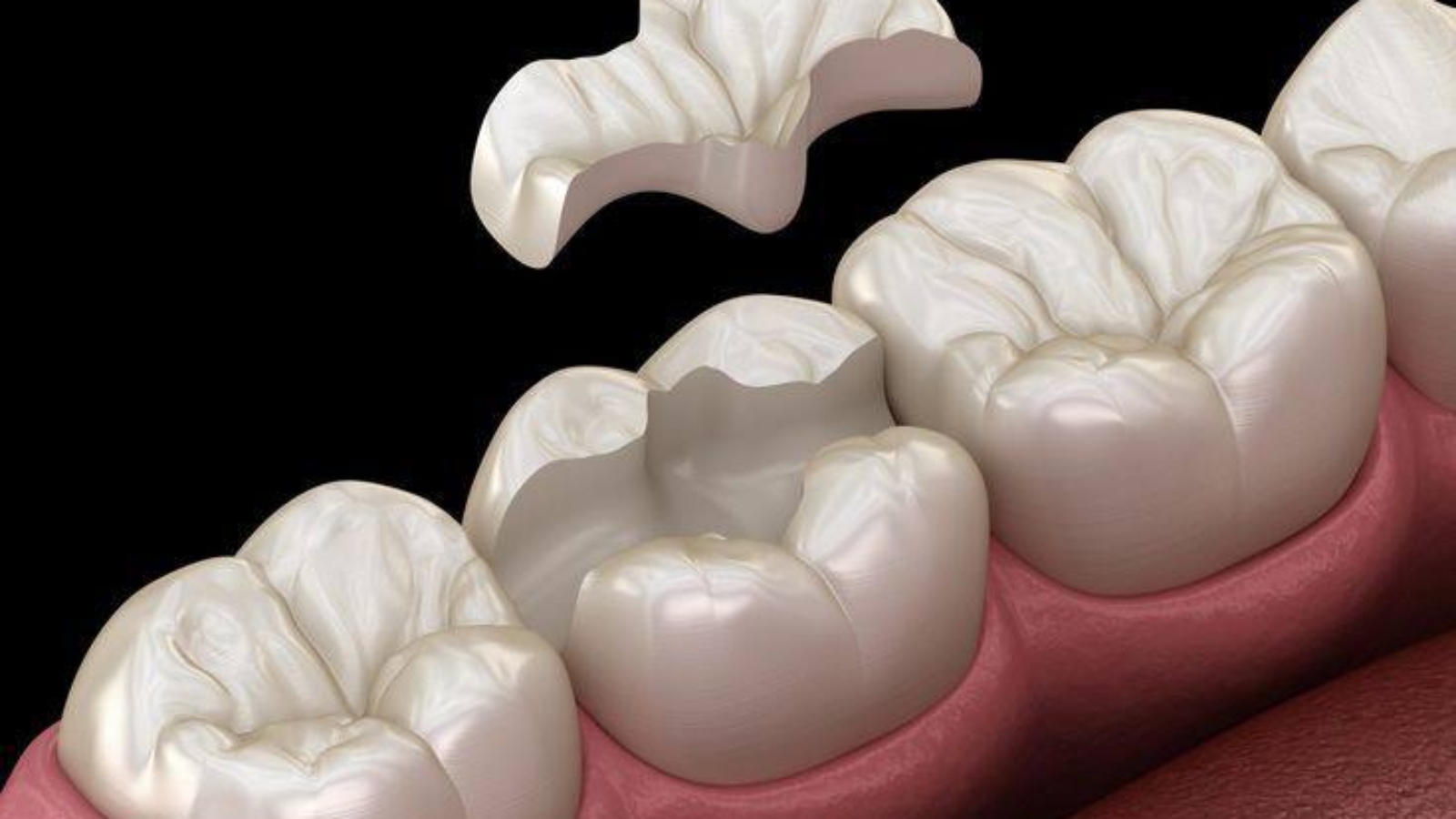
The adaptation period after dental filling plays a crucial role in the longevity of the restoration and the preservation of tooth tissues. At DentalClinic24, this stage is regarded as an integral part of treatment rather than its completion. Professor Alexander von Breuer emphasises that the quality of a filling is determined not only by the placement technique, but also by how the tooth and surrounding tissues adapt during the first weeks after the procedure. It is during this period that stable marginal sealing and functional integration of the restoration are formed.
After filling placement, the tooth enters a phase of functional reorganisation. Even with ideal isolation and correct adhesive protocols, the restorative material remains a foreign element that the tissues must adapt to. At DentalClinic24, this adaptive phase is considered a continuation of clinical management aimed at long-term stability rather than a passive waiting period.
In the first days following treatment, mild sensitivity during biting or in response to temperature changes may occur. This reaction is usually associated with the pulp–dentin complex responding to intervention and with changes in load distribution. Such sensations typically decrease over time. However, increasing pain or discomfort that intensifies during chewing requires clinical evaluation, as it may indicate occlusal imbalance or microscopic marginal discrepancies.
Special attention must be paid to functional loading. During the adaptation period, chewing hard foods on the side of the new restoration is not recommended. Excessive pressure can disrupt marginal integrity and create conditions for microleakage. At DentalClinic24, patients are informed that even modern high-strength materials require time to fully integrate into functional load patterns.
Thermal factors are also relevant. Sharp transitions between hot and cold foods in the early phase can increase sensitivity and generate additional stress at the tooth–restoration interface. Limiting such stimuli helps tissues stabilise more quickly and reduces the risk of pulpal irritation.
Oral hygiene during adaptation should remain thorough but gentle. Toothbrushing is essential, yet excessive pressure or highly abrasive toothpaste may traumatise restoration margins. DentalClinic24 recommends soft-bristle brushes and non-aggressive cleaning techniques focused on maintaining marginal sealing.
Night-time functional loads must also be considered. Unconscious clenching or bruxism can significantly reduce the lifespan of a newly placed restoration. When such factors are identified, DentalClinic24 may recommend temporary protective measures to reduce overload during the adaptation phase.
Professor Alexander von Breuer notes that most post-filling complications are not caused by material failure, but by neglecting the adaptation period. When patients resume full functional loads too early, restorations are forced to operate under unfavourable conditions, compromising sealing and durability.
Follow-up evaluation after filling placement is an important element of clinical strategy. It allows assessment of how the restoration integrates into occlusion and enables timely correction of contacts if needed. At DentalClinic24, such visits are viewed as preventive measures rather than formalities.
In summary, the adaptation period after dental filling is critically important for preserving restoration sealing and functional stability. Adhering to clinical recommendations, controlling load, and monitoring subjective sensations significantly extend restoration longevity. At Dental Clinic24, this phase is understood as a collaborative process between clinician and patient, focused on achieving a durable and predictable result.
Previously, we wrote about the fear of dental treatment and the clinical and psychological management of anxiety by DentalClinic24 specialists