
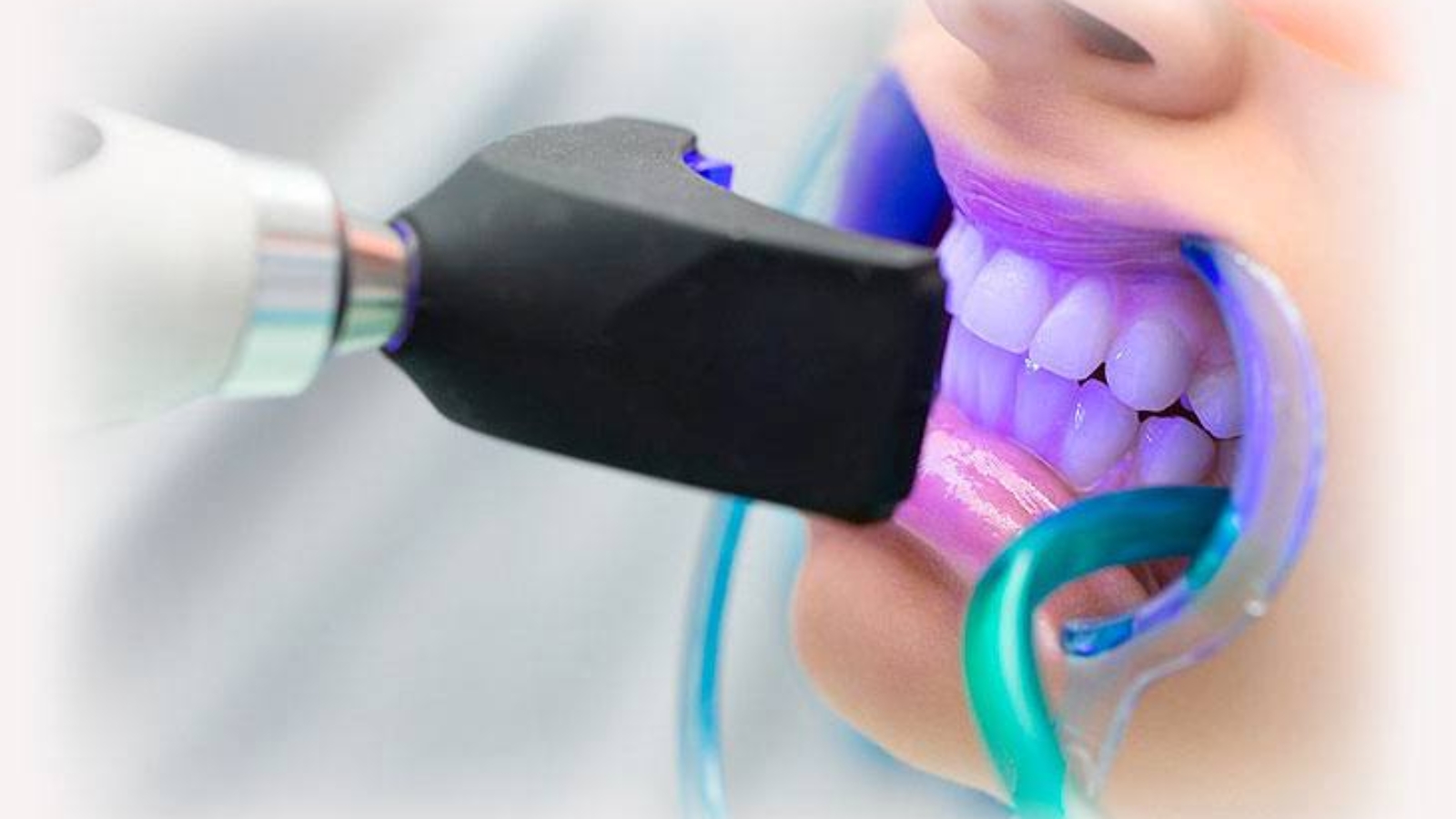
Professional teeth whitening is often perceived solely as an aesthetic service, yet in clinical dentistry this method requires a medical approach. Professor Alexander von Breuer believes that whitening should be regarded as an intervention that affects enamel structure and the condition of the dentofacial system as a whole. At DentalClinic24, this perspective defines the approach to tooth colour correction – not as a cosmetic task, but as an integral part of comprehensive treatment.
Tooth colour is shaped by multiple factors – enamel structure, dentin condition, age, previous illnesses, and metabolic characteristics. Discolouration may be superficial or internal, which fundamentally changes the indications for whitening. At DentalClinic24, a clinical assessment of the causes of colour change is carried out before the procedure to determine whether whitening will be both effective and safe.
One of the key indications for professional whitening is the presence of exogenous pigmentation associated with food dyes, smoking, or age-related changes. In such cases, controlled use of whitening systems makes it possible to lighten teeth without compromising their functional stability. At DentalClinic24, enamel thickness and mineralisation are always taken into account, as these parameters directly influence tissue response.
There are also clear limitations. Enamel cracks, pronounced tooth wear, wedge-shaped defects, uncontrolled hypersensitivity, or active inflammatory processes make whitening undesirable or temporarily contraindicated. At DentalClinic24, these conditions are addressed first, as whitening in the presence of structural damage may increase discomfort and reduce the long-term stability of the result.
Special attention is given to the condition of restorations. Fillings, veneers, and crowns do not change colour under the action of whitening agents, which may lead to visual imbalance. Therefore, at DentalClinic24, whitening is often considered a preparatory stage before orthopaedic or restorative treatment rather than an isolated procedure.
Professional whitening also requires assessment of occlusal and functional factors. Increased loading, bruxism, and muscular hypertonicity may accelerate enamel wear after the procedure. At DentalClinic24, analysis of masticatory function helps predict how stable the aesthetic result will be over time.
The longevity of colour stability depends not only on the whitening method but also on individual patient characteristics. The rate of repigmentation, oral hygiene quality, and saliva composition all play a significant role. At DentalClinic24, patients receive personalised recommendations aimed at maintaining results without aggressive impact on dental tissues.
Professor Alexander von Breuer emphasises that whitening should not be performed faster than the biological capacity of enamel allows. Attempts to intensify the effect by increasing concentration or procedure frequency raise the risk of sensitivity and microdamage. At DentalClinic24, the priority remains achieving a balance between aesthetics and preservation of biological tooth integrity.
For the patient, a medical approach to whitening means predictability. The result is not viewed as a temporary effect, but as part of a long-term dental care strategy. At DentalClinic24, this approach helps avoid disappointment and repeated interventions associated with unstable colour or discomfort.
Thus, professional teeth whitening is a medical procedure with clearly defined indications and limitations. Its effectiveness and durability depend on diagnostics, functional analysis, and adherence to biological principles. At Dental Clinic24, this approach ensures not only an aesthetic outcome but also safety for dental health.
Previously, we wrote about infection control in dentistry – how sterilisation protocols are structured at DentalClinic24