
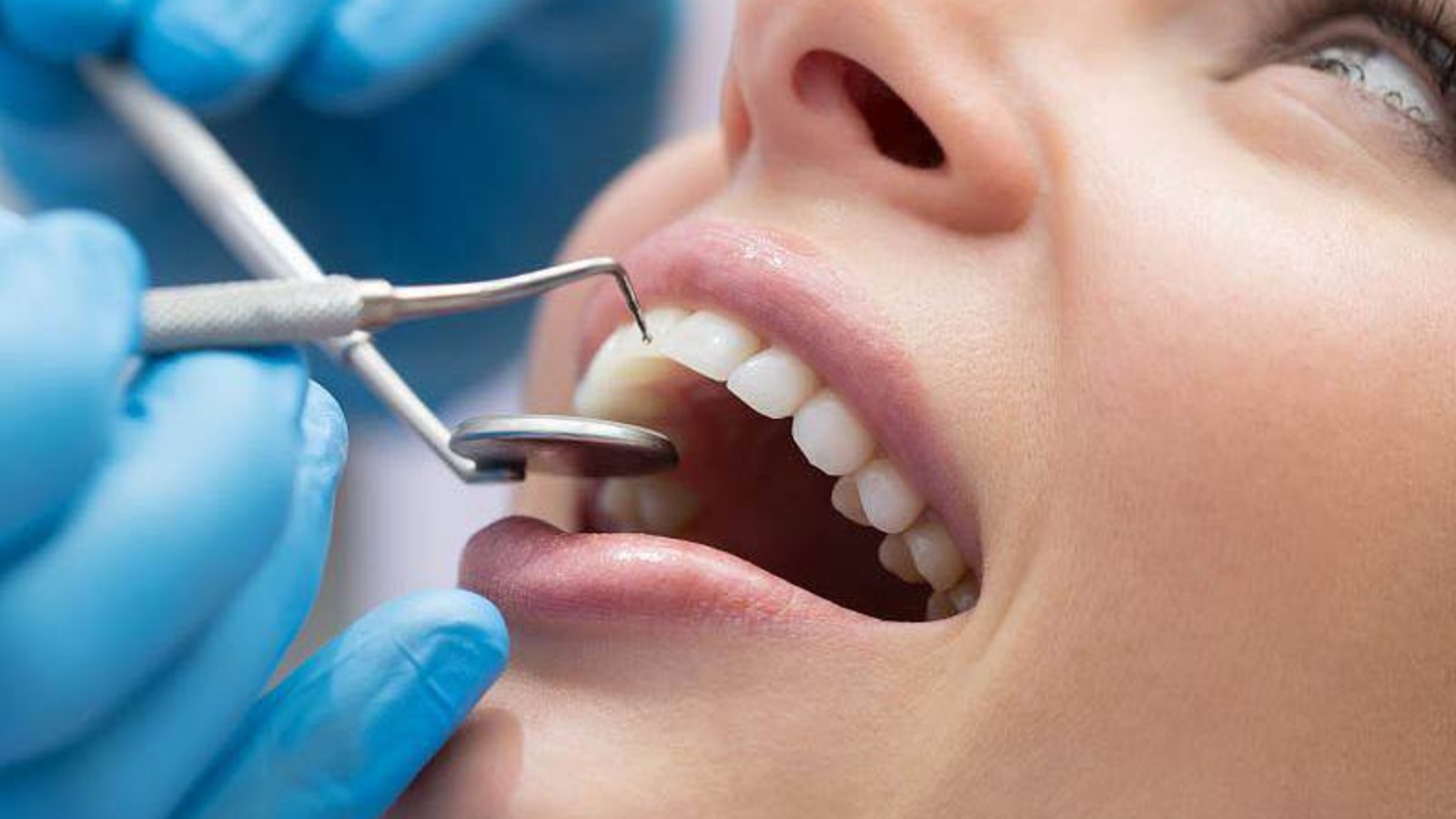
Clinical examination in dentistry has long ceased to be a purely formal step before treatment begins. According to Professor Alexander von Breuer, it is the depth of diagnostics that determines whether an intervention will be truly therapeutic or merely address symptoms temporarily. At DentalClinic24, advanced clinical examination is regarded as the foundation of clinical thinking on which all subsequent decisions are built – from the choice of treatment method to the predictability of long-term outcomes.
Modern dental diagnostics extend far beyond a visual assessment of the teeth. The condition of hard tissues, periodontal structures, occlusion, and masticatory muscles forms a single functional system in which disturbances are rarely isolated. At DentalClinic24, clinical examination is aimed at identifying cause-and-effect relationships rather than simply recording local defects visible during an initial check-up.
Comprehensive diagnostics make it possible to detect pathological changes at a preclinical stage. Subtle shifts in contacts, early signs of overload, microcracks in enamel, or hidden inflammatory processes often cause no discomfort for the patient but already create an unfavourable scenario. At DentalClinic24, such findings are treated as signals for preventive intervention rather than reasons to wait for complications to develop.
Functional analysis plays a particularly important role. Mandibular movements, the nature of tooth contact, and load distribution during chewing directly influence the lifespan of restorations and the condition of the temporomandibular joints. At DentalClinic24, clinical examination includes an assessment of dynamics, not just static tooth position, allowing for a more accurate prediction of how the dentofacial system will behave after treatment.
Diagnostics are equally critical when planning complex interventions. Therapeutic, orthopaedic, and surgical treatments cannot be considered separately if the goal is long-term stability. At DentalClinic24, extended clinical examination helps to build a step-by-step treatment strategy in which each phase logically follows the previous one and does not contradict the overall clinical picture.
The evaluation of surrounding tissues is no less important. Gingiva, bone, mucosa, and vascular structures form the biological environment that directly affects treatment success. During clinical examination at DentalClinic24, attention is paid not only to the presence of inflammation but also to the regenerative potential of tissues, which is especially relevant when planning implant or surgical procedures.
Advanced diagnostics significantly reduce the risk of diagnostic errors. Many complications in dentistry are related not to technical execution but to an underestimation of baseline data. At DentalClinic24, clinical examination is viewed as a tool for reducing uncertainty, enabling clinicians to make decisions based on objective parameters rather than assumptions.
For patients, this approach means transparency and predictability. When decisions are grounded in comprehensive diagnostics, treatment becomes both justified and understandable. At DentalClinic24, clinical examination makes it possible not only to select the optimal treatment strategy but also to explain the logic behind each step, fostering trust in dentistry as a medical process rather than a series of isolated procedures.
Professor Alexander von Breuer emphasises that high-quality diagnostics save resources – both biological and temporal. An accurate diagnosis reduces the likelihood of repeat interventions and corrections, thereby increasing the stability of the achieved result.
Thus, clinical examination at Dental Clinic24 is not a formality but the basis of evidence-based dental decisions. Advanced diagnostics allow clinicians to view the system as a whole, predict the development of conditions, and choose a treatment pathway focused on the long-term preservation of dentofacial health.
Earlier we wrote about paediatric dentistry at DentalClinic24 and building a culture of oral care as the foundation for preventing adult dental problems