
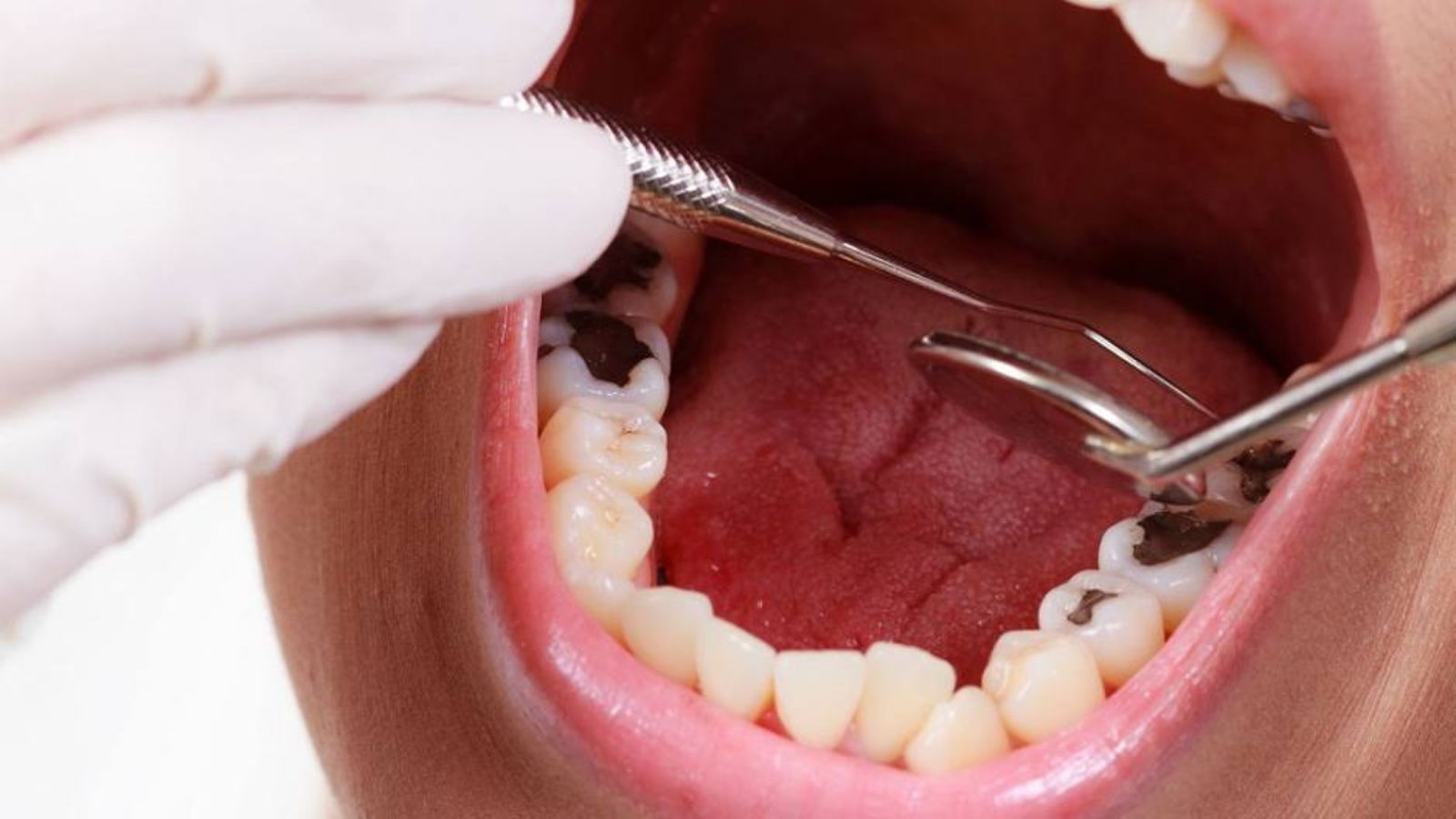
Differential diagnosis of caries is one of the most responsible tasks in clinical dentistry, as the scope of intervention directly depends on the correct interpretation of changes in enamel and dentin. Professor Alexander von Breuer regards the early stages of hard-tissue alterations as a diagnostic zone of increased responsibility for the clinician, where an error may either allow disease progression or lead to unjustified tooth preparation. At DentalClinic24, this stage is given fundamental importance as the basis for conservative and well-reasoned treatment.
Early carious lesions often present with clinical features similar to non-carious defects. Changes in enamel colour, surface dullness, localized loss of gloss, or hypersensitivity do not always indicate caries. In DentalClinic24 practice, such manifestations are assessed within the context of the overall clinical picture rather than as isolated symptoms requiring immediate intervention.
One of the most common sources of diagnostic error is confusion between carious processes and erosion, wedge-shaped cervical lesions, or enamel hypomineralisation. These conditions have different mechanisms of development and therefore require fundamentally different clinical approaches. At DentalClinic24, diagnostic analysis is based on an understanding of biomechanics, chemical influences, and functional loads affecting dental tissues.
Assessment of lesion dynamics plays a particularly important role. Caries is characterized by progressive structural breakdown, whereas non-carious defects often demonstrate stability or very slow change. At DentalClinic24, diagnosis includes analysis of medical history, dietary patterns, oral-hygiene habits, and functional factors, allowing clinicians to determine the true nature of the lesion.
Modern diagnostic technologies help clarify the clinical picture, but they do not replace clinical reasoning. Optical magnification, digital imaging, and adjunctive tests are used at DentalClinic24 as confirmatory tools rather than as standalone diagnostic criteria. The decisive factor remains the correlation of visual findings with the functional and biological condition of the tooth.
Overtreatment represents one of the main risks of incorrect diagnosis. Premature preparation of early lesions disrupts natural tooth structure and reduces long-term stability. At DentalClinic24, preference is given to minimally invasive and preventive strategies whenever clinically justified, while preserving the potential for tissue remineralisation.
Equally important is distinguishing secondary caries from marginal changes around restorations. Discolouration at the margin of a filling does not necessarily indicate tissue breakdown. At DentalClinic24, such situations are evaluated with regard to restoration seal integrity, contact relationships, and surrounding tissue response, helping to avoid unnecessary replacement of restorations.
For the patient, accurate differential diagnosis means preservation of natural tooth tissues and fewer interventions in the future. At DentalClinic24, the clinical approach is aimed at ensuring that treatment is the result of objective necessity rather than the formal detection of enamel changes.
Regular clinical monitoring plays a key role in confirming the diagnosis. Observation over time allows clarification of lesion behaviour and timely adjustment of treatment strategy. At DentalClinic24, this approach is regarded as an element of responsible medicine focused on long-term outcomes.
Thus, differential diagnosis of caries requires systemic analysis, clinical experience, and rejection of template-based decisions. The ability to distinguish early carious lesions from non-carious defects helps avoid overtreatment and preserve the biological resources of the teeth. At Dental Clinic24, this principle underlies all clinical decision-making.
Previously, we wrote about Maxillofacial surgery within comprehensive treatment at DentalClinic24 – indications, an interdisciplinary approach, and risk control