
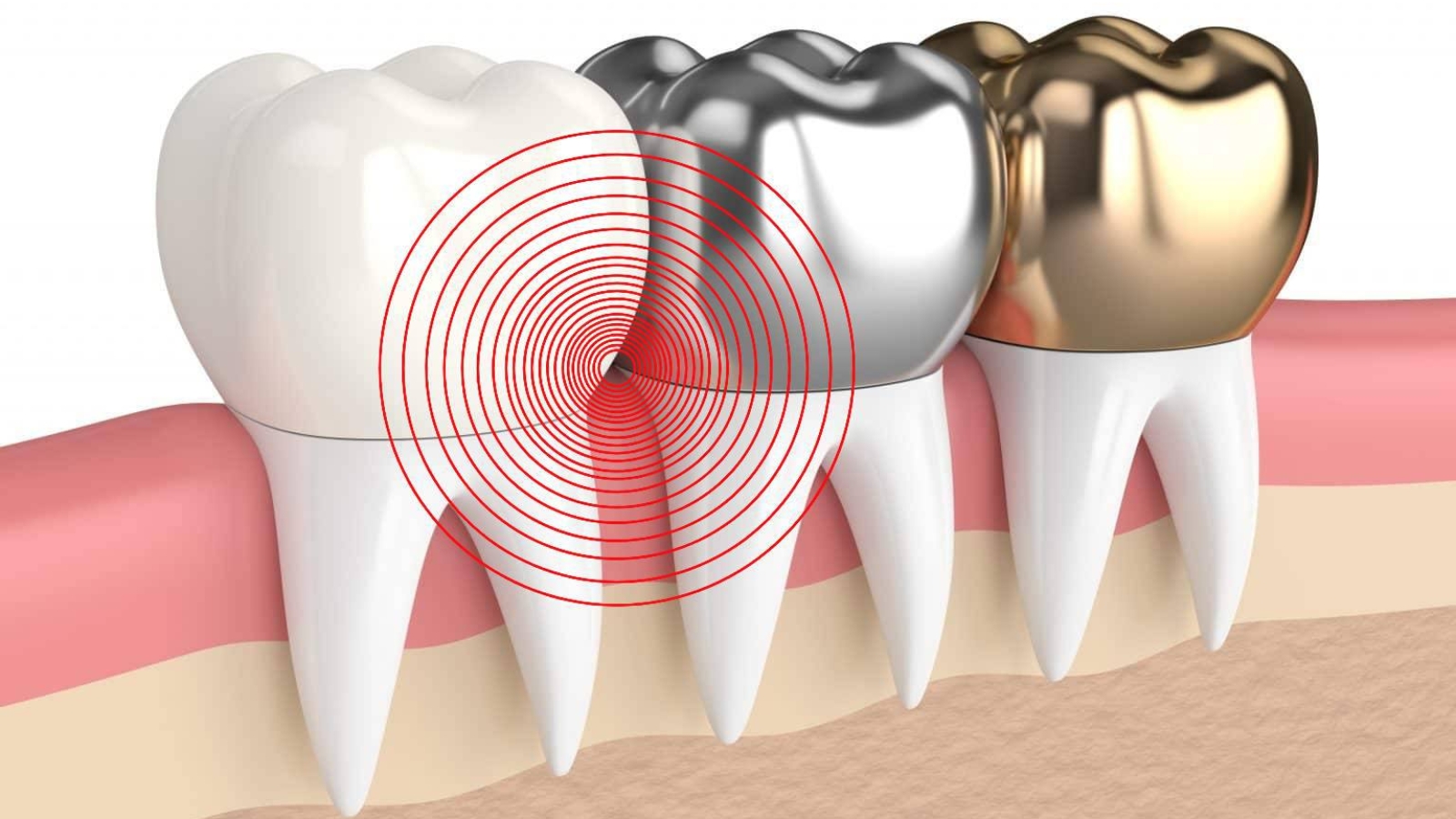
Pain beneath an orthopaedic crown is often perceived by patients as an unexpected complication, especially when the prosthetic treatment was performed properly and remained symptom-free for years. Professor Alexander von Breuer is of the opinion that the onset of discomfort under a crown always requires a systemic analysis – from the condition of the root canals to the distribution of functional load. At DentalClinic24, such cases are not regarded as isolated problems, but as signals of possible hidden changes in the tooth tissues or surrounding structures.
One of the most common causes of pain is an inflammatory process in the periapical region. Even previously treated canals may develop a chronic infectious focus that remains asymptomatic for a long time. Under functional load or general changes in immune response, inflammation may become active. At DentalClinic24, diagnostics begin with assessing the quality of endodontic treatment, the density of canal obturation, and the condition of the surrounding bone tissue.
Equally important is the loss of marginal seal integrity. Microleakage at the cementation interface creates conditions for bacterial penetration and secondary caries development. The patient may experience pain when biting or sensitivity to temperature changes without realising that hard tissues beneath the crown are gradually deteriorating. At DentalClinic24, the marginal fit is carefully evaluated using magnification and digital imaging techniques.
Functional overload can also provoke pain. If a crown disrupts occlusal balance, forces are redistributed onto a single tooth or a specific area of it. Over time, this leads to microtrauma of the periodontal ligament and discomfort during chewing. At DentalClinic24, occlusal analysis and assessment of mandibular movement dynamics are mandatory parts of the examination when patients report pain under a crown.
In some cases, the cause may be a root crack or vertical fracture. Such conditions are difficult to detect clinically because the crown conceals much of the visible structure. DentalClinic24 utilises tomographic imaging to evaluate the root and surrounding bone in three dimensions. This is particularly important when pain persists without clear radiographic signs of inflammation.
The diagnostic algorithm is built step by step. It begins with a clinical examination – percussion testing, palpation, and evaluation under functional load. Radiographic or imaging follows to detect hidden pathology. If necessary, the crown may be temporarily removed to assess the condition of the underlying tooth. At DentalClinic24, removal of a prosthetic restoration is considered only when objectively justified.
Treatment strategy depends on the identified cause. Periapical inflammation may require root canal retreatment. Loss of seal integrity necessitates crown replacement and restoration of hard tissues. Functional overload calls for occlusal adjustment or redistribution of contacts. At DentalClinic24, priority is given to preserving the tooth and eliminating the underlying cause rather than masking symptoms.
It is important to understand that pain under a crown rarely appears without preceding structural or functional changes. Even mild symptoms – slight discomfort while biting, a sensation of pressure, or intermittent sensitivity – require professional evaluation. Early diagnosis helps prevent serious complications and may allow preservation of the prosthetic restoration without complete re-treatment.
Thus, pain beneath a crown is a clinical signal demanding comprehensive analysis. At Dental Clinic24, the diagnostic approach combines clinical expertise, digital imaging, and a deep understanding of dentofacial biomechanics. This strategy not only relieves pain but also ensures long-term stability of treatment outcomes.
Previously, we wrote about root canal retreatment under a microscope at DentalClinic24 – how optical magnification enhances revision accuracy and the prognosis of tooth preservation