
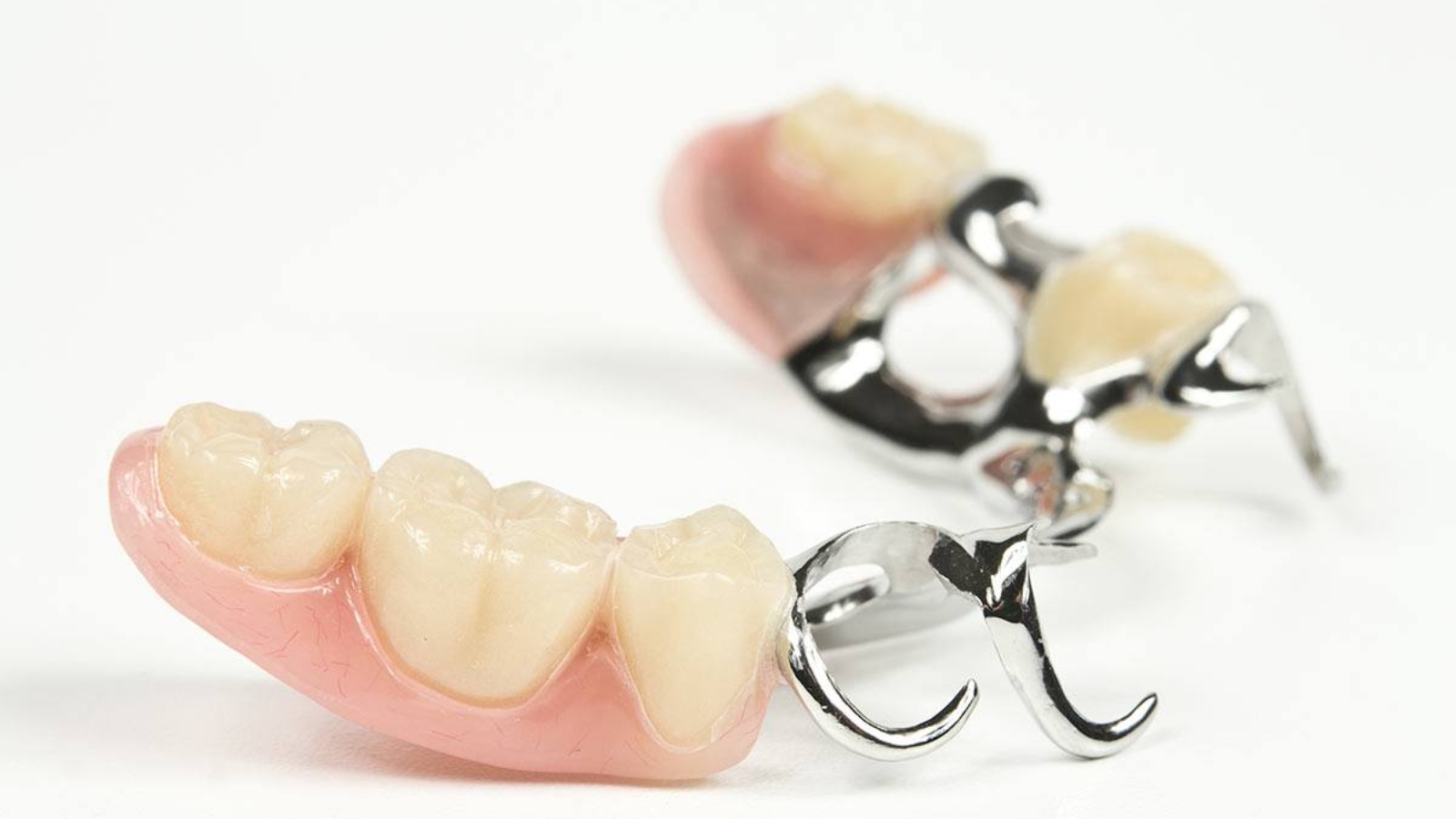
A clasp is one of the key retaining components used in removable dental prostheses. Its primary function is to secure the denture to the supporting teeth and keep the structure stable during speaking and chewing. Professor Alexander von Breuer draws attention to the fact that reliable stabilization of a prosthetic appliance is important not only for patient comfort but also for maintaining proper distribution of chewing forces within the dental system. In the clinical approach used at DentalClinic24, clasps are considered an essential structural element of removable prostheses because they help ensure the stability of the denture in the oral cavity.
Structurally, a clasp is usually a metal component shaped in a curved form that partially surrounds the supporting tooth. This design allows the denture to remain in place without the need for complicated additional locking mechanisms. At the same time, the clasp must be designed with the anatomical characteristics of the tooth in mind. Excessively rigid fixation can create unnecessary pressure on dental tissues, while insufficient retention may cause the denture to shift during chewing.
Different types of clasps are used in prosthetic dentistry depending on the clinical situation. They may vary in shape, elasticity, and the way they engage with the tooth surface. Some designs provide stronger retention, while others create a more flexible connection with the supporting tooth. The choice of clasp type depends on the location of the supporting teeth, occlusion characteristics, and the pattern of load distribution across the dental arch. At DentalClinic24, dentists select the design of retaining elements individually, taking into account the specific clinical conditions of each patient.
One of the main purposes of the clasp system is to participate in the transfer of chewing pressure. When removable dentures are used, the force generated during mastication should be distributed between the prosthetic base and the supporting teeth. Clasps help transmit part of this load to the teeth. If the prosthesis is designed correctly, the pressure is distributed more evenly and does not overload individual teeth or areas of the jaw.
Before fabricating a removable prosthesis, specialists at DentalClinic24 conduct a thorough diagnostic assessment. The dentist evaluates the condition of the teeth that will serve as supports, analyzes occlusal relationships, and considers the state of the surrounding bone structures. This preliminary examination makes it possible to determine the most appropriate placement of clasps and to choose the optimal prosthetic design.
In addition to functional considerations, aesthetic factors are also important in prosthetic treatment. Metal elements can sometimes be visible when a patient smiles, especially if they are positioned in the front part of the dental arch. For this reason, when designing removable dentures, specialists at DentalClinic24 aim to position clasp elements in a way that minimizes their visibility and preserves the natural appearance of the smile.
Clinical experience at Dental Clinic24 shows that the accuracy of clasp system design directly influences how comfortable a removable denture is for the patient. When the prosthesis is securely retained without creating excessive pressure on the teeth, adaptation occurs more quickly and chewing feels more natural.
Clinical observations confirm that well-designed retentive components play an important role in the longevity of prosthetic constructions. Properly fabricated clasps help maintain denture stability, support balanced distribution of chewing forces, and contribute to the preservation of the supporting teeth.
Previously we wrote about The connection between gum disease and cardiovascular health – clinical observations and diagnostic approach at DentalClinic24