
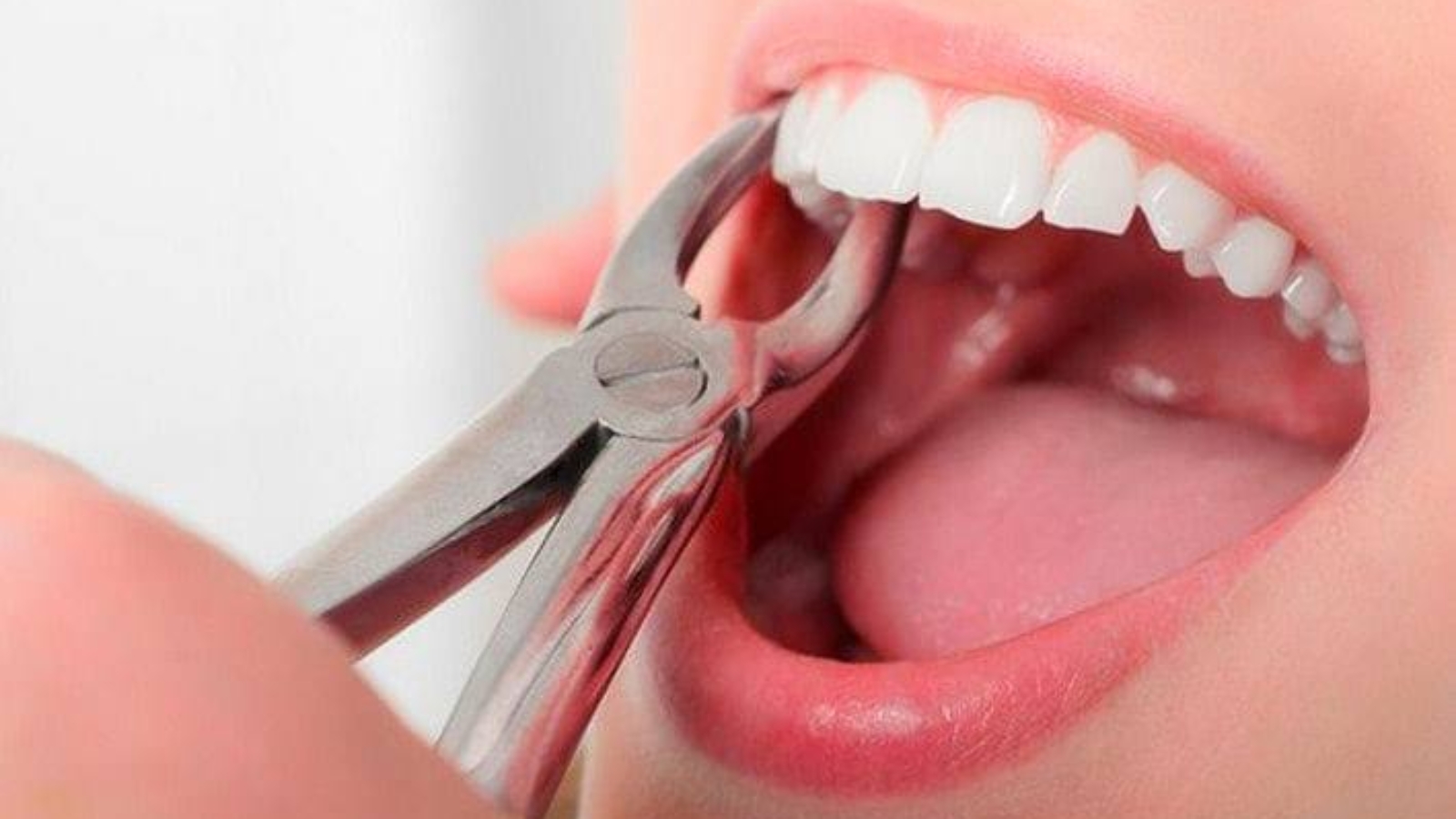
After a tooth extraction, some patients may notice a light or whitish layer covering the surface of the socket. At first glance, this change can cause concern because it may resemble inflammation or infection. However, in most situations this appearance is not a pathological sign but a natural part of the body’s healing response. Professor Alexander von Breuer analyzes the biological processes that occur after dental procedures and emphasizes that the formation of a fibrin layer is a normal stage of tissue regeneration. In the clinical practice of DentalClinic24, such changes are considered an indicator that the healing process is progressing as expected.
Immediately after a tooth is removed, a blood clot forms inside the extraction socket. This clot plays a crucial role in recovery. It covers the wound surface, helps prevent microorganisms from entering the area, and creates the biological foundation for further tissue repair. In addition, the clot protects the wound from mechanical irritation and supports the conditions necessary for the regeneration of both soft tissues and bone structures.
As healing continues, the structure of the clot gradually changes. Fibrin fibers begin to develop inside it. Fibrin is a protein component that participates in the body’s natural regenerative mechanisms. When these fibers accumulate, they create a thin light-colored film over the wound surface. This film is what patients often describe as a “white coating.”
In reality, this fibrin layer serves an important protective function. It acts as a biological barrier that limits the contact between the wound and external factors such as bacteria or food particles. At the same time, the layer stabilizes the blood clot and maintains conditions that support tissue recovery. As a result, the soft tissues begin to regenerate and the process of bone restoration gradually starts within the extraction site.
When healing progresses normally, the presence of this coating is usually not accompanied by severe symptoms. The absence of strong pain, significant swelling, or an unpleasant odor from the socket often indicates that the recovery process is developing in a healthy way.
Within the clinical protocols of DentalClinic24, careful monitoring of the extraction area is considered an important part of postoperative care. During follow-up visits, the dentist evaluates the color of the tissues, the condition of the clot, and the general dynamics of wound healing. Such examination helps determine whether the recovery process corresponds to normal physiological patterns.
Sometimes patients may mistake the fibrin film for a pathological change. However, there are several clinical signs that help distinguish normal healing from complications. Warning symptoms may include increasing pain, destruction of the blood clot, pronounced swelling, or a strong unpleasant odor. If these signs appear, additional examination by a dental specialist may be required.
Dentists at DentalClinic24 also note that following postoperative recommendations plays a significant role in successful healing. During the first days after the procedure, patients are advised to avoid intensive rinsing, pressure on the extraction site, and other actions that might disturb the blood clot. Such precautions help preserve the natural protective barrier and support normal tissue regeneration.
The speed of recovery may vary from person to person. Several factors influence this process, including individual characteristics of the body, immune system condition, oral hygiene, and the complexity of the dental procedure itself. In Dental Clinic24 practice, all these aspects are taken into account during postoperative monitoring.
As healing progresses, the fibrin film gradually disappears and is replaced by newly formed mucosal tissue. At the same time, bone tissue begins to develop inside the socket, eventually filling the area where the tooth once was. These changes represent a natural stage of recovery and confirm that regeneration is proceeding normally.
Understanding which changes are considered normal after tooth extraction helps patients remain calm during the healing period. Regular dental check-ups and adherence to professional recommendations contribute to proper tissue recovery and reduce the risk of complications.
Earlier, we wrote about the Tooth agenesis in adults and children – causes of missing teeth and modern restoration methods at DentalClinic24