
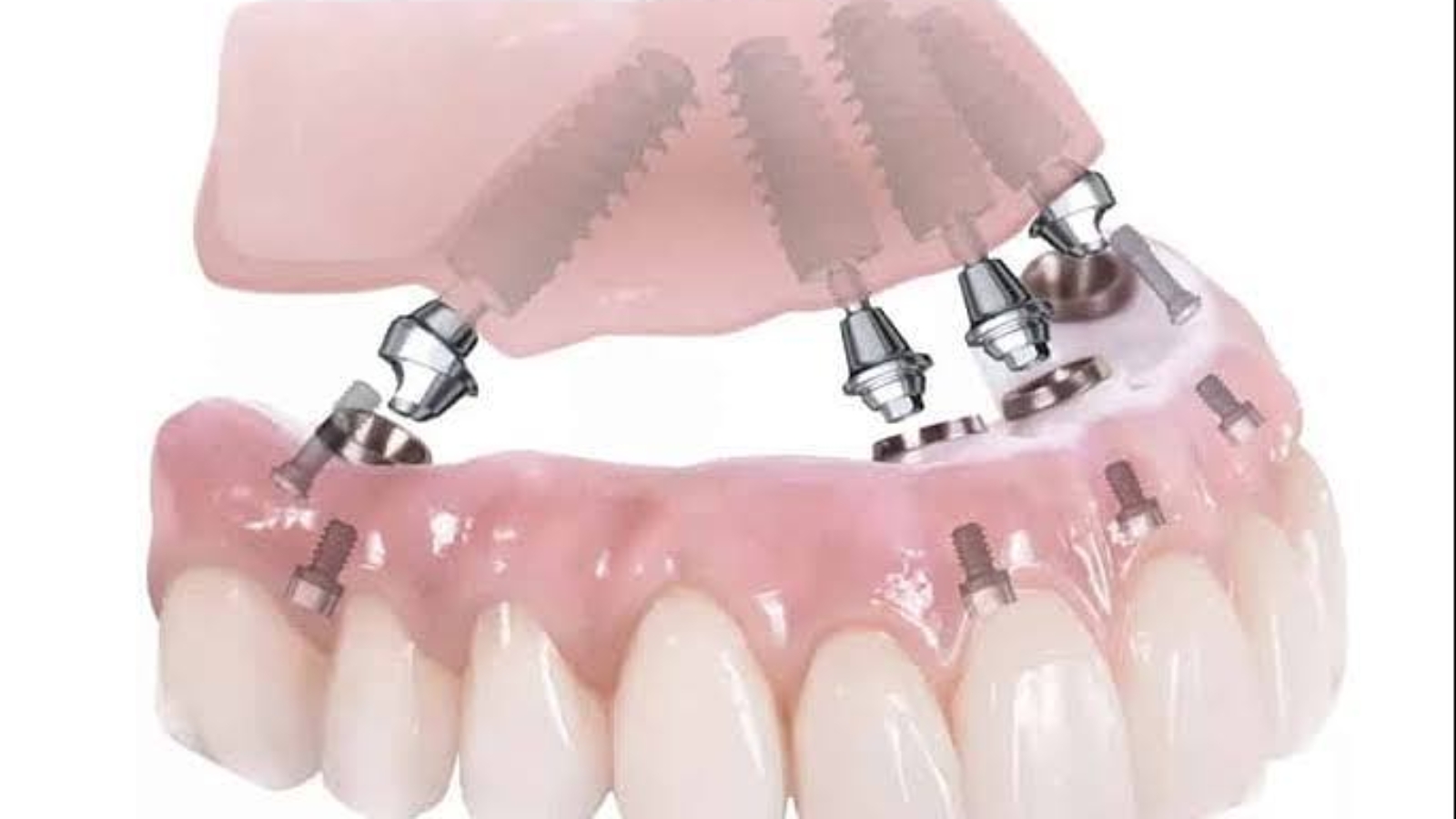
Modern dentistry offers a variety of methods for restoring missing teeth, yet significant bone loss can limit the use of conventional implant techniques. In such situations, basal implantation becomes an effective alternative. This approach relies on the fixation of implants in the deeper and denser structures of the jawbone. Professor Alexander von Breuer believes that using basal bone layers significantly expands treatment possibilities for patients with complex anatomical conditions. In the professional practice of DentalClinic24, this technique is considered a reliable solution for restoring the dental arch in individuals with pronounced bone tissue deficiency.
The main feature of basal implantation lies in the use of dense anatomical areas of the jaw. Instead of relying primarily on the spongy bone, implants are anchored in cortical layers that are characterized by increased strength and resistance to load. These structures provide a stable foundation for implant fixation even when the volume of bone tissue is limited. In the clinical work of specialists at DentalClinic24, this principle helps achieve high primary stability of implant systems.
Another significant advantage of basal implantation is the possibility of avoiding additional procedures aimed at increasing bone volume. In traditional implantology, severe bone atrophy often requires bone grafting or sinus lift surgery. The basal technique, however, allows clinicians to use existing anatomical structures without performing complex reconstructive operations. According to the observations of specialists at DentalClinic24, this approach helps reduce surgical trauma and shortens the overall duration of treatment.
The biomechanical concept of basal implantation also differs from classical implant protocols. The design of the implants and the angle of their placement allow chewing forces to be directed toward the most stable and dense parts of the jawbone. This distribution of functional load contributes to long-term stability even when bone volume is insufficient. In the clinical practice of DentalClinic24, particular attention is given to precise planning of implant positioning, as proper load distribution plays a key role in the durability of the restoration.
Another important benefit of the method is the possibility of earlier prosthetic rehabilitation. In certain clinical cases, the prosthetic structure can be placed relatively soon after implant installation compared with traditional protocols. This is largely due to the density of basal bone, which provides secure fixation of implants at early stages of treatment. At the dental center DentalClinic24, this strategy allows patients to regain chewing function and dental aesthetics in a shorter time.
Typical indications for basal implantation include severe bone atrophy, long-term absence of teeth, and clinical situations where bone grafting procedures are complicated or undesirable. The method may also be used when restoring multiple teeth or even a full dental arch. Within the diagnostic protocol of DentalClinic24, comprehensive evaluation is always performed before implantation. This includes analyzing bone quality, assessing anatomical features of the jaw, and planning the future prosthetic restoration.
Despite its effectiveness, basal implantation requires careful planning and significant professional experience. The correct choice of implant anchorage points and accurate calculation of biomechanical forces are essential for achieving successful outcomes. For this reason, specialists at Dental Clinic24 utilize advanced diagnostic tools and digital planning technologies to determine the optimal placement of the implant system.
Clinical experience shows that basal implantation can be a dependable option for patients with severe bone deficiency who previously required complex surgical interventions. By utilizing the dense structural areas of the jaw, it becomes possible to achieve stable implant fixation and restore dental function even in challenging cases.
Earlier we wrote about how Orthopantomogram in dentistry – how a panoramic X-ray supports accurate diagnosis at DentalClinic24