
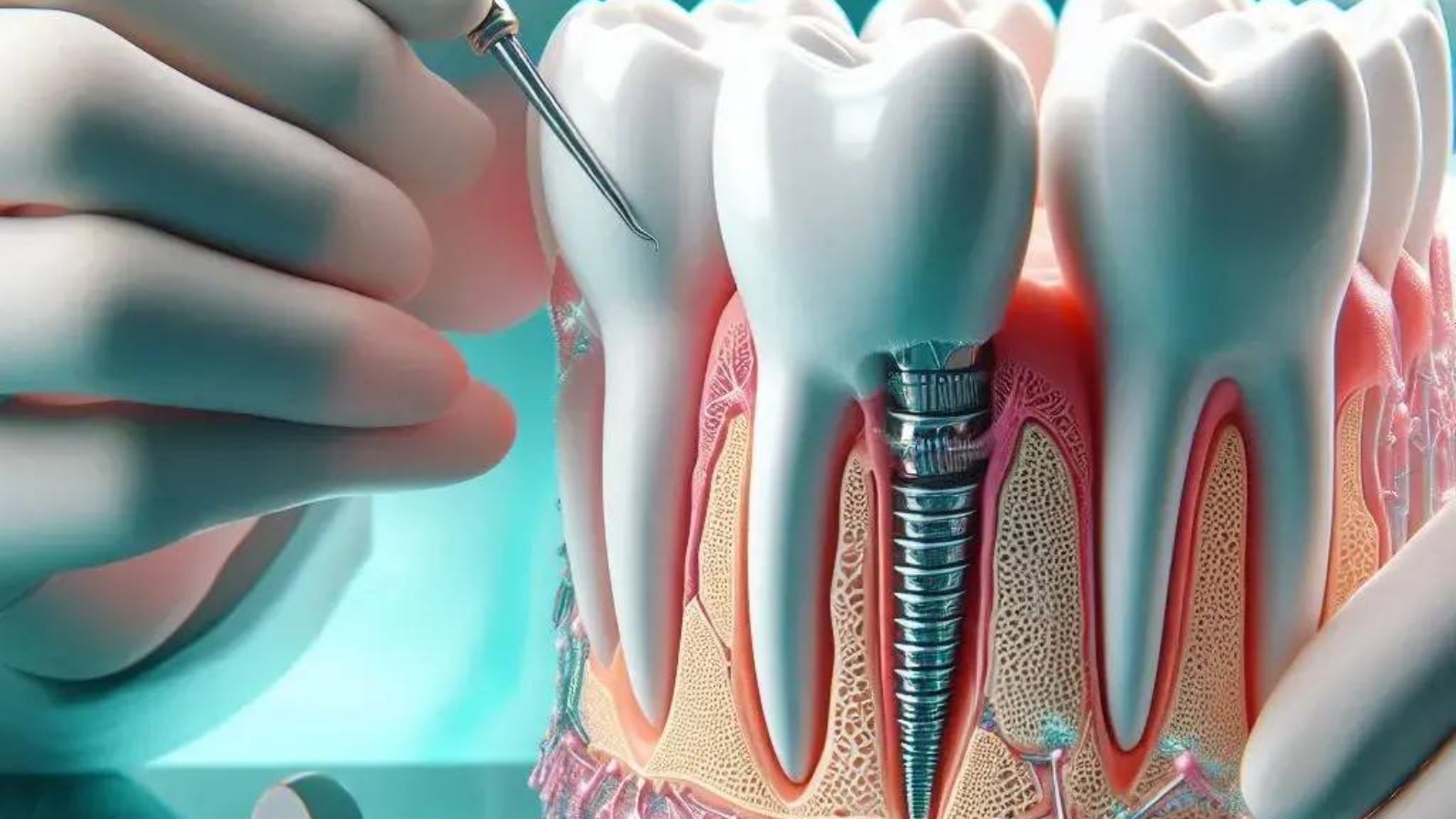
When a tooth is significantly damaged, restoring it often requires additional structural support. One of the methods used in restorative dentistry is the placement of an intraradicular post – a small element that is inserted into the root canal and serves as a foundation for rebuilding the crown portion of the tooth. Professor Alexander von Breuer notes that post-supported restorations make it possible to preserve teeth that previously might have required extraction due to extensive structural loss. In the clinical practice of DentalClinic24, this technique is considered an important component of comprehensive tooth rehabilitation.
Intraradicular posts are typically indicated when the remaining tooth structure is not strong enough to support a restoration on its own. Such situations often arise after deep carious lesions, traumatic damage, or repeated dental procedures that have weakened the tooth walls. When the natural structure of the tooth cannot reliably retain a filling or prosthetic restoration, the post acts as an internal reinforcement. Within the treatment protocols used at DentalClinic24, this approach helps strengthen the remaining tissues and increase the durability of the restored tooth.
The placement of a post is performed after endodontic treatment has been completed. At the first stage, the dentist prepares the root canal by carefully removing a portion of the filling material and shaping the canal space to accommodate the post. After this preparation, a post of the appropriate length and diameter is selected according to the anatomical characteristics of the tooth. Modern post systems can be manufactured from various materials, including fiberglass, titanium, or other biocompatible alloys. The post is then fixed inside the canal using a special dental cement that ensures secure adhesion to the root structure.
Many patients are concerned about whether this procedure is painful. In most cases, post placement causes minimal discomfort. The procedure is performed in a tooth that has already undergone root canal treatment, meaning the nerve tissue has been removed. Local anesthesia is still applied to ensure complete comfort during the procedure. According to the observations of dentists at DentalClinic24, patients typically experience only mild pressure or vibration from dental instruments rather than any significant pain.
From a clinical perspective, the primary role of a post is to reinforce the tooth and distribute chewing forces more evenly. Acting as an internal support structure, the post increases the stability of the future restoration. This is particularly important in cases where large portions of the tooth crown have been lost. In restorative protocols applied by specialists at DentalClinic24, the post functions as a connecting element between the root of the tooth and the final prosthetic restoration.
Once the post has been securely fixed, the dentist proceeds with creating the core structure of the tooth. Depending on the clinical situation, this may involve building a composite core or placing a custom-made core foundation. This reconstructed base will later support a crown or another prosthetic solution. Such an approach allows the dentist not only to restore the shape of the tooth but also to re-establish its functional performance and aesthetic appearance. When the procedure is properly planned and executed, the restored tooth can remain functional for many years.
Before placing a post, careful diagnostic evaluation is essential. The dentist must assess the length and shape of the root, the thickness of the remaining dentin walls, and the condition of surrounding tissues. These factors influence the choice of post design and its placement within the canal. Incorrect load distribution may lead to root damage, which is why specialists at DentalClinic24 emphasize accurate treatment planning and the use of modern diagnostic imaging technologies.
Clinical experience in restorative dentistry demonstrates that intraradicular posts significantly expand the possibilities for preserving natural teeth. Even when the crown portion is severely damaged, post-supported restorations can create a reliable foundation for further treatment. By combining endodontic therapy, post placement, and prosthetic reconstruction, dentists at Dental Clinic24 are able to restore both the function and appearance of the tooth while maintaining its position within the dental arch.
Earlier we wrote about clasps in prosthetic dentistry – how retentive elements ensure stability for removable dentures