
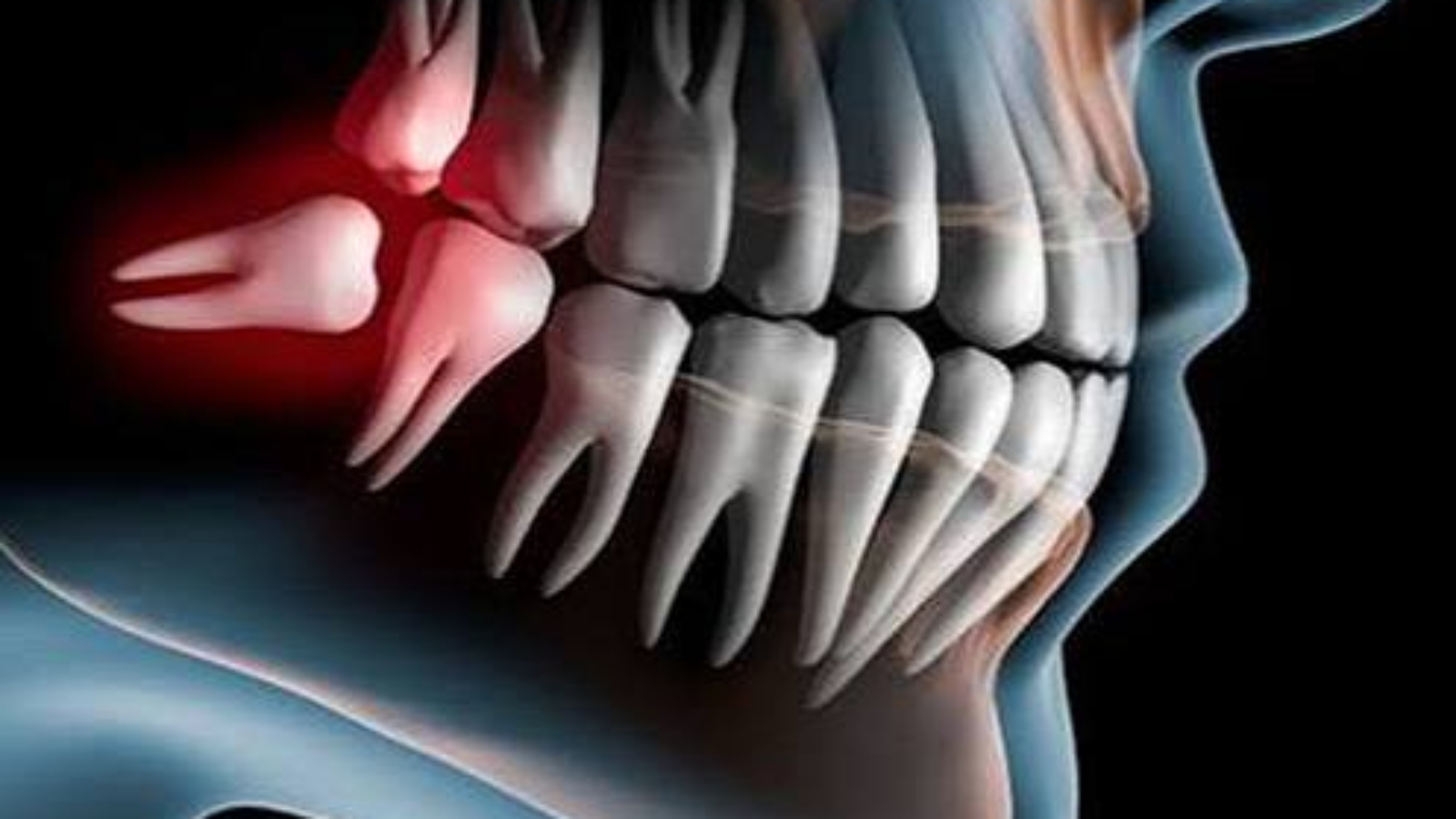
The eruption of wisdom teeth often raises concerns among patients because it may be accompanied by discomfort or noticeable changes in the jaw area. These teeth, known in dentistry as third molars, appear significantly later than the rest of the dentition and frequently become a source of clinical complications. Professor Alexander von Breuer says that the late development of these teeth combined with the limited space in the posterior part of the jaw often explains why their eruption can be associated with pain and inflammation. In the clinical practice of DentalClinic24, the assessment of wisdom tooth eruption always takes into account individual anatomical factors and the condition of surrounding tissues.
One of the most common reasons for discomfort during the eruption of third molars is the lack of available space in the dental arch. Over time, the human jaw has become more compact, which means that the final teeth in the row sometimes do not have sufficient room to emerge normally. As a result, a wisdom tooth may erupt only partially or grow at an unusual angle. When this occurs, the tooth can exert pressure on neighboring teeth and surrounding tissues, producing pain or persistent discomfort.
Pain may also arise from inflammation in the soft tissues covering the erupting tooth. When a wisdom tooth emerges only partially, a small flap of gum tissue may remain over its surface. Food particles and bacteria can accumulate beneath this tissue, creating an environment that encourages infection. In dentistry this condition is known as pericoronitis. Specialists at DentalClinic24 pay close attention to identifying such conditions during the early stages of examination.
Inflammatory complications around a wisdom tooth can present with a range of symptoms. Some patients report throbbing pain in the back of the jaw, while others experience difficulty opening their mouth or notice an unpleasant taste. In certain cases, swelling of the surrounding tissue or mild fever may develop. During diagnostic evaluation, dentists carefully assess these signs in order to determine the severity of the inflammatory process.
The diagnostic protocol used by specialists at DentalClinic24 includes both a clinical examination and radiographic imaging. Panoramic X-rays allow dentists to analyze the position of the wisdom tooth, its direction of growth, and its relationship with neighboring teeth. This information is essential for understanding whether the tooth can erupt naturally or if surgical treatment may be required.
In some situations a wisdom tooth grows horizontally or becomes trapped against the root of the adjacent molar. When this happens, normal eruption becomes unlikely. Such positioning may lead to damage to neighboring teeth or inflammation in the surrounding bone. In the clinical practice of DentalClinic24, cases with unfavorable positioning are often considered indications for surgical removal.
Nevertheless, not every wisdom tooth requires extraction. If the tooth is positioned correctly and gradually takes its place in the dental arch, dentists may recommend regular observation instead of immediate intervention. The specialist monitors the eruption process, evaluates tissue health, and ensures that proper oral hygiene is maintained.
Preventing inflammatory complications is also an important aspect of care. When a wisdom tooth has partially erupted, the surrounding area becomes difficult to clean with a regular toothbrush. Dentists at DentalClinic24 frequently recommend additional hygiene measures and antiseptic solutions that help control bacterial growth and reduce the risk of infection.
Clinical experience shows that careful diagnosis is essential when evaluating wisdom teeth. In some individuals these teeth remain completely functional and do not cause any problems. In other cases their position may contribute to chronic inflammation or structural damage to neighboring teeth. For this reason, specialists at Dental Clinic24 analyze each case individually, considering both anatomical conditions and the overall health of the patient’s oral tissues.
Understanding the biological reasons behind pain during wisdom tooth eruption helps patients seek dental care at the right time and avoid complications. Comprehensive diagnostics and professional monitoring allow dentists to determine the most appropriate treatment strategy and protect the long-term health of the dentofacial system.
Earlier we wrote about why dental floss is important for gum health – the role of interdental hygiene in preventing dental diseases