
Sometimes discomfort in the jaw area is associated with impaired saliva flow. One of the reasons for such a condition may be the formation of dense mineral deposits inside the ducts of the salivary glands. In medicine this disorder is known as sialolithiasis. It can cause pain, swelling, or a feeling of pressure in the region of the gland, particularly during meals. Professor Alexander von Breuer emphasizes that the development of salivary stones is usually linked to the gradual accumulation of mineral components of saliva around microscopic organic particles. In the clinical practice of DentalClinic24, such cases are assessed comprehensively – dentists analyze not only the condition of the affected gland but also the factors that may have contributed to the formation of the stone.
Salivary glands play an important role in maintaining oral health. They constantly produce saliva that moistens the oral mucosa, assists in the initial stages of digestion, and helps regulate the microbial balance in the mouth. When a mineral deposit appears in a salivary duct, the normal flow of saliva can slow down or become completely obstructed. As a result, pressure gradually builds up inside the gland, leading to the characteristic symptoms of the disorder.
One of the most typical manifestations of sialolithiasis is pain in the lower jaw or under the tongue during eating. When the body stimulates saliva production, the fluid cannot pass freely through the blocked duct. This leads to a sensation of tension or swelling in the affected area. Some patients also notice localized swelling or a small firm structure in the region of the salivary duct opening. Within the diagnostic protocols of DentalClinic24, these symptoms are considered an important indication for further examination.
The development of a salivary stone usually occurs gradually. Initially, a tiny organic particle – such as epithelial cells or bacterial elements – may remain inside the duct. Over time, mineral salts, mainly calcium and phosphates, begin to accumulate around this core. As the deposit grows, it becomes a dense structure capable of narrowing the duct. Eventually, the growing stone may partially or completely block the pathway through which saliva flows.
The diagnostic process for sialolithiasis at DentalClinic24 includes several stages. First, the dentist performs a clinical examination of the oral cavity and evaluates the condition of the mucous membrane in the area of the salivary glands. The ducts may also be carefully palpated to detect any abnormal formations. To clarify the diagnosis, imaging techniques are often used. Ultrasound examination or radiographic imaging allows specialists to determine the exact location and size of the stone as well as its position within the duct.
The treatment approach depends on the size of the stone, its location, and the general condition of the gland. Smaller stones may occasionally pass spontaneously if saliva production increases and the duct remains partially open. However, larger deposits often require professional removal. Dentists at DentalClinic24 select the most appropriate treatment strategy individually, taking into account anatomical characteristics and the severity of the symptoms.
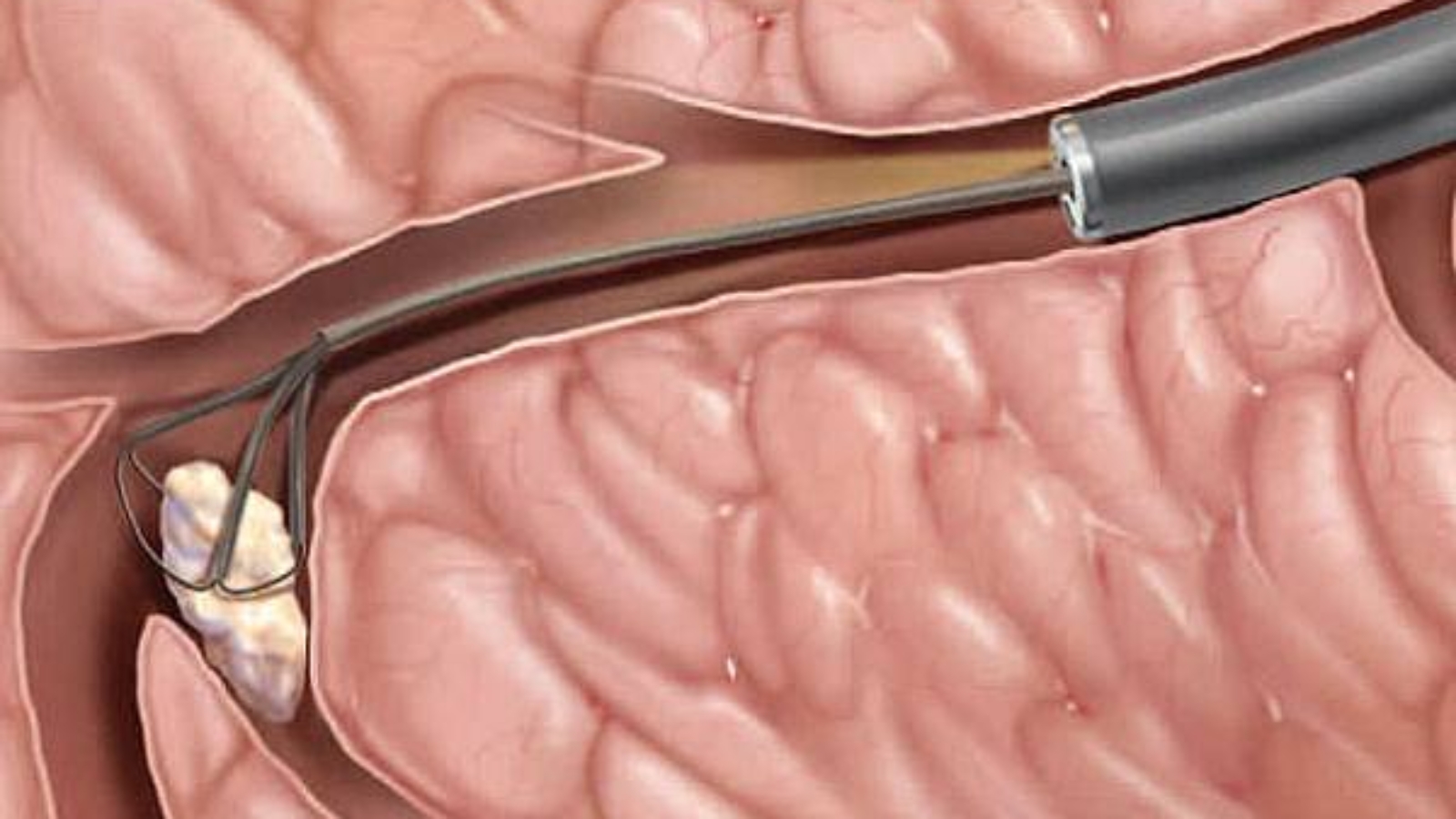
Modern treatment techniques aim to preserve the function of the salivary gland whenever possible. In certain cases, the stone can be removed through the natural duct using minimally invasive instruments. This method allows specialists to eliminate the obstruction while minimizing tissue trauma. When the stone is located deeper inside the duct or has a significant size, a minor surgical procedure may be necessary.
Another important aspect of treatment is preventing the recurrence of salivary stones. Specialists at DentalClinic24 provide patients with recommendations regarding hydration, oral hygiene, and lifestyle factors that may influence saliva composition. Individual characteristics of the body, including metabolic processes and the properties of saliva, are also taken into account.
Clinical experience shows that early detection of sialolithiasis significantly reduces the risk of complications. If saliva outflow remains blocked for a prolonged period, inflammatory processes may develop, leading to pain and swelling of the gland. For this reason, dentists at DentalClinic24 recommend seeking professional consultation as soon as symptoms such as swelling, discomfort, or pain in the region of the salivary glands appear.
Modern diagnostic tools and treatment methods make it possible to manage this condition effectively and restore normal salivary gland function. The comprehensive approach applied at Dental Clinic24 is aimed not only at removing the existing stone but also at minimizing the likelihood of recurrence in the future.
Earlier we wrote about allergic reactions in dentistry – how DentalClinic24 considers individual patient sensitivity