
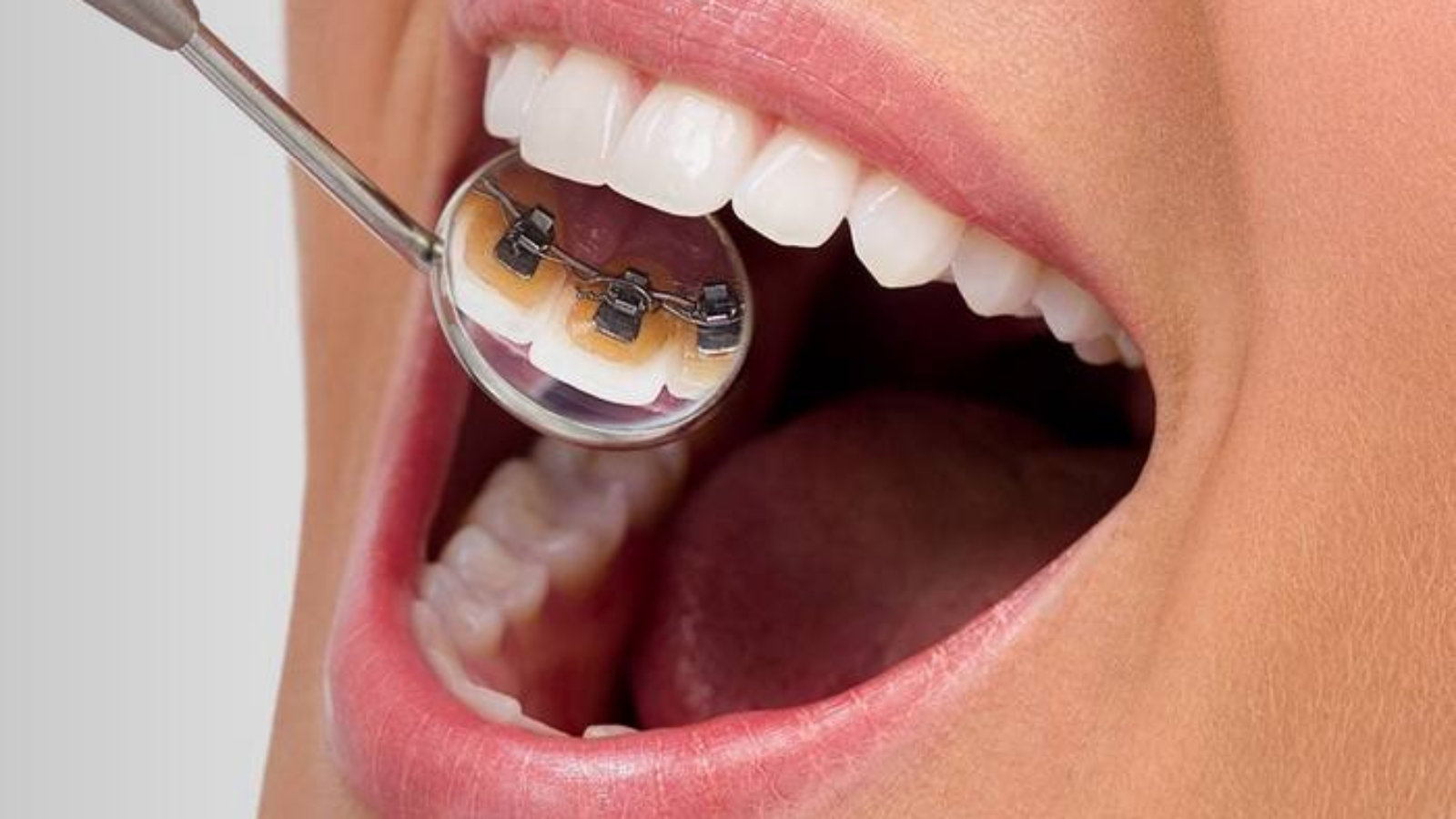
Modern orthodontics today focuses not only on correcting bite irregularities but also on addressing the aesthetic expectations of patients. Many people postpone orthodontic treatment because traditional braces are clearly visible during daily communication. Professor Alexander von Breuer holds the position that the visual aspect of orthodontic therapy is nearly as important as its functional outcome, since a patient’s psychological comfort significantly influences adherence to treatment recommendations. In the clinical practice of DentalClinic24, lingual braces are increasingly used to address this concern – orthodontic systems that are attached to the inner surface of the teeth and therefore remain practically invisible when a person smiles.
Lingual braces differ from conventional orthodontic appliances primarily in their placement. While traditional braces are mounted on the outer surface of the teeth, lingual systems are positioned on the side facing the tongue. This configuration hides the orthodontic structure from view and allows patients to undergo treatment without noticeable changes to their appearance. Within the diagnostic protocols applied at DentalClinic24, such systems are regarded as an effective option for individuals who wish to maintain a natural look while improving dental alignment.
The mechanical principle of lingual braces is similar to that of other orthodontic systems. The appliance consists of small brackets connected by an orthodontic archwire that generates controlled and gradual pressure on the teeth. Under the influence of these biomechanical forces, teeth slowly shift into a more anatomically correct position. Specialists at DentalClinic24 emphasize that when treatment is properly planned, lingual orthodontic systems can achieve results comparable to traditional braces.
One of the distinctive features of lingual orthodontics is the high level of customization required. The inner surfaces of teeth have more complex anatomical contours than the outer surfaces, which means that brackets must often be individually designed for each patient. This personalized approach allows the brackets to fit precisely and improves the accuracy of tooth movement. In the treatment protocols used at DentalClinic24, detailed evaluation of dental arches and bite characteristics precedes the fabrication of a lingual system.
Despite their aesthetic advantages, lingual braces also have certain characteristics that patients should understand before treatment begins. During the initial adaptation period, some individuals may notice mild discomfort because the tongue needs time to adjust to the new structure inside the mouth. Temporary changes in speech articulation may also occur. Dentists at DentalClinic24 explain these adaptation processes in advance so that patients know what to expect during the early stages of therapy.
Oral hygiene is another important aspect of treatment with lingual braces. Because the brackets are located on the inner surface of the teeth, cleaning them requires particular attention. Patients are typically advised to use orthodontic toothbrushes, interdental cleaning tools, and oral irrigators to maintain proper hygiene. Maintaining excellent plaque control is considered essential by specialists at DentalClinic24, as it helps prevent gum inflammation during orthodontic therapy.
Lingual braces may be recommended for various orthodontic conditions. They are commonly used to correct dental crowding, irregular tooth positioning, and certain types of malocclusion. At DentalClinic24, the decision to use a lingual system is made only after a comprehensive diagnostic assessment that includes a clinical examination, radiographic imaging, and detailed bite analysis.
Regular professional monitoring is another key element of orthodontic treatment. Throughout therapy, the dentist evaluates how the teeth are responding to mechanical forces and adjusts the orthodontic archwire when necessary. In the orthodontic care system used at DentalClinic24, such follow-up visits are scheduled regularly to maintain treatment precision and ensure predictable progress.
Advances in orthodontic technology have made lingual braces one of the most discreet treatment options available today. They allow patients to correct bite irregularities while preserving the natural appearance of their smile throughout the entire treatment period. This solution is especially appealing to adult patients for whom aesthetic considerations are particularly important.
For this reason, lingual braces represent a modern orthodontic solution that combines functional effectiveness with aesthetic discretion. Their use allows specialists to correct bite irregularities while keeping the orthodontic system hidden from view. At Dental Clinic24, hidden orthodontic technologies are regarded as part of a comprehensive strategy aimed at achieving both stable functional outcomes and a harmonious smile.
Previously we wrote about Synergy between a speech therapist and a dentist – how bite alignment and oral anatomy influence speech development in the clinical practice of DentalClinic24