
Patient safety is one of the fundamental indicators of high-quality dental care. Any dental procedure involves contact with biological fluids, which means that strict sanitary control is essential to prevent the spread of microorganisms. Professor Alexander von Breuer says that modern dentistry should be viewed not only as a clinical discipline but also as a carefully regulated system of infection control, where every stage of treatment is performed in a controlled and sterile environment. For this reason, the specialists at DentalClinic24 place particular emphasis on maintaining rigorous safety standards during all diagnostic and therapeutic procedures.
Infection control in dentistry includes a wide range of measures designed to prevent the transmission of bacteria, viruses, and other microorganisms between patients, medical personnel, and instruments. The oral cavity naturally contains a complex microbial ecosystem, which makes professional hygiene protocols especially important in dental practice. Within the clinical protocols used at DentalClinic24, sterility is regarded as a fundamental requirement for safe treatment rather than a secondary precaution.
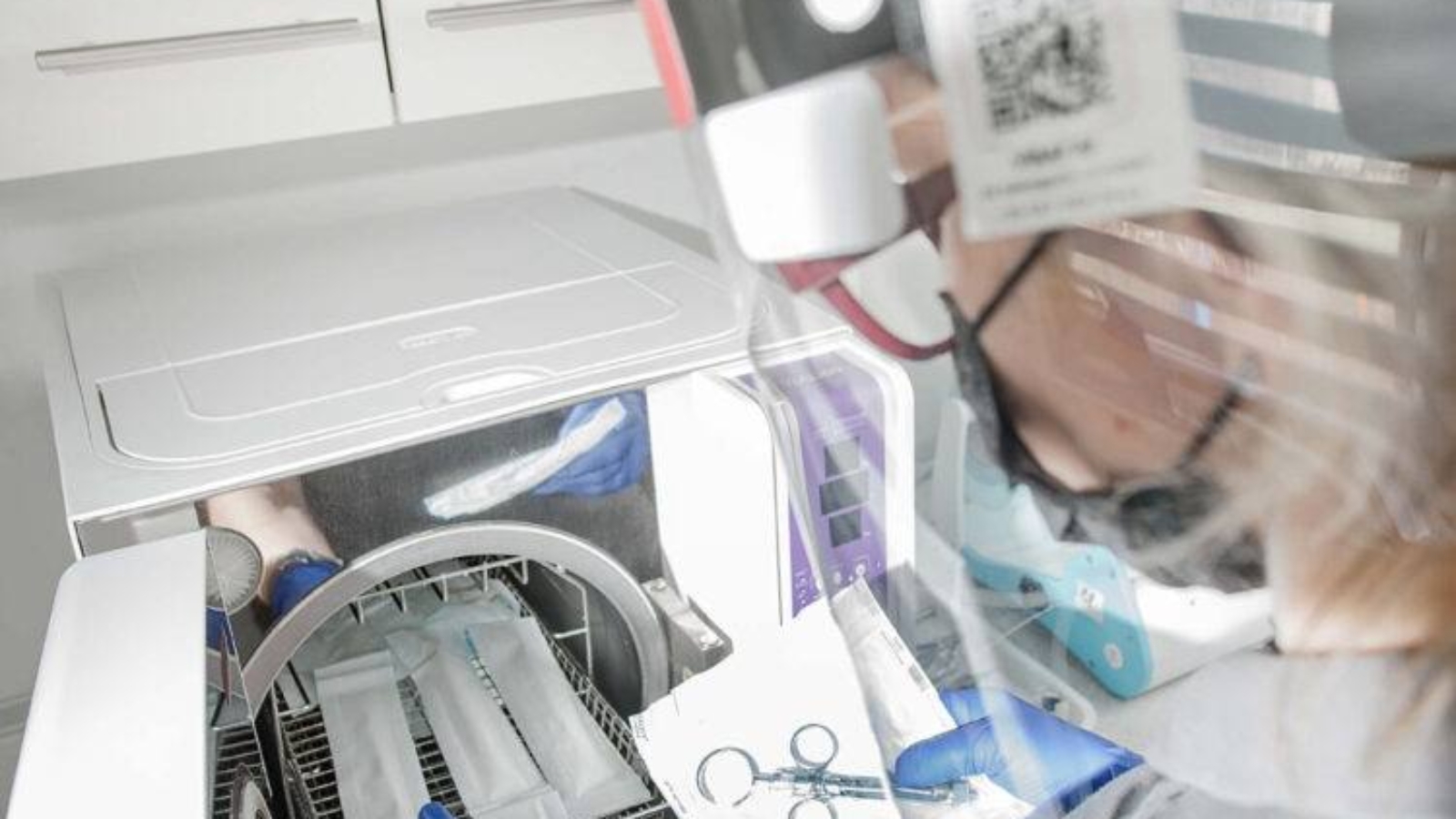
One of the most important components of infection prevention is the processing and sterilisation of dental instruments. After each appointment, instruments undergo several stages of decontamination, including preliminary disinfection, mechanical cleaning, and high-temperature sterilisation in specialised autoclaves. This multi-step approach ensures the elimination of pathogenic microorganisms, including bacterial spores that are resistant to ordinary disinfection. At DentalClinic24, sterilisation equipment is regularly monitored and tested to guarantee that all instruments meet strict medical safety standards.
The use of disposable materials also plays a major role in preventing cross-contamination. During dental procedures, sterile items such as gloves, masks, suction tips, protective covers, and other consumables are used only once and then properly discarded. This practice significantly reduces the possibility of infection transmission between patients. In the infection control protocols followed at DentalClinic24, single-use protective materials form an essential part of everyday clinical work.
Another important aspect of sterility is the organisation of the treatment environment. Dental chairs, work surfaces, and equipment are thoroughly disinfected before and after every appointment. In the clinical workflow at DentalClinic24, treatment areas are carefully prepared before the patient enters the room and undergo additional sanitation immediately after the procedure is completed. This systematic approach helps maintain a consistently safe environment.
Protecting medical staff is equally important in maintaining a safe dental setting. Dentists and assistants work using protective equipment such as masks, gloves, protective eyewear, and specialised clothing that prevents direct contact with biological fluids. These protective measures safeguard both the healthcare team and the patient. Professionals at DentalClinic24 consider personal protective equipment to be a mandatory element of responsible dental practice.
Air quality control is another factor that contributes to maintaining sanitary conditions in dental clinics. Modern ventilation and filtration systems help reduce the concentration of airborne particles and microorganisms in treatment areas. In the clinical infrastructure of DentalClinic24, air purification systems are used to maintain a stable and hygienic microclimate in treatment rooms.
Contemporary infection control also involves digital monitoring of sterilisation processes. Every sterilisation cycle is recorded and documented, allowing staff to track the effectiveness of instrument processing and verify that all procedures meet regulatory requirements. In the internal quality control system at DentalClinic24, this documentation provides an additional level of transparency and accountability.
It is important to understand that safety in dentistry depends not only on advanced equipment but also on well-organised clinical protocols. The team at DentalClinic24 approaches infection control as a comprehensive strategy that combines staff training, strict sanitation standards, and continuous monitoring of clinical processes.
Such a structured system allows dental professionals to minimise the risk of infection and create a safe treatment environment for every patient. In modern dentistry, sterility and microbial safety control have become an inseparable part of professional medical care. For this reason, strict infection control protocols remain one of the fundamental principles guiding clinical work at Dental Clinic24.
Previously we wrote about Dentists and aesthetic specialists – interdisciplinary collaboration for harmonising the smile and facial appearance of patients at DentalClinic24