
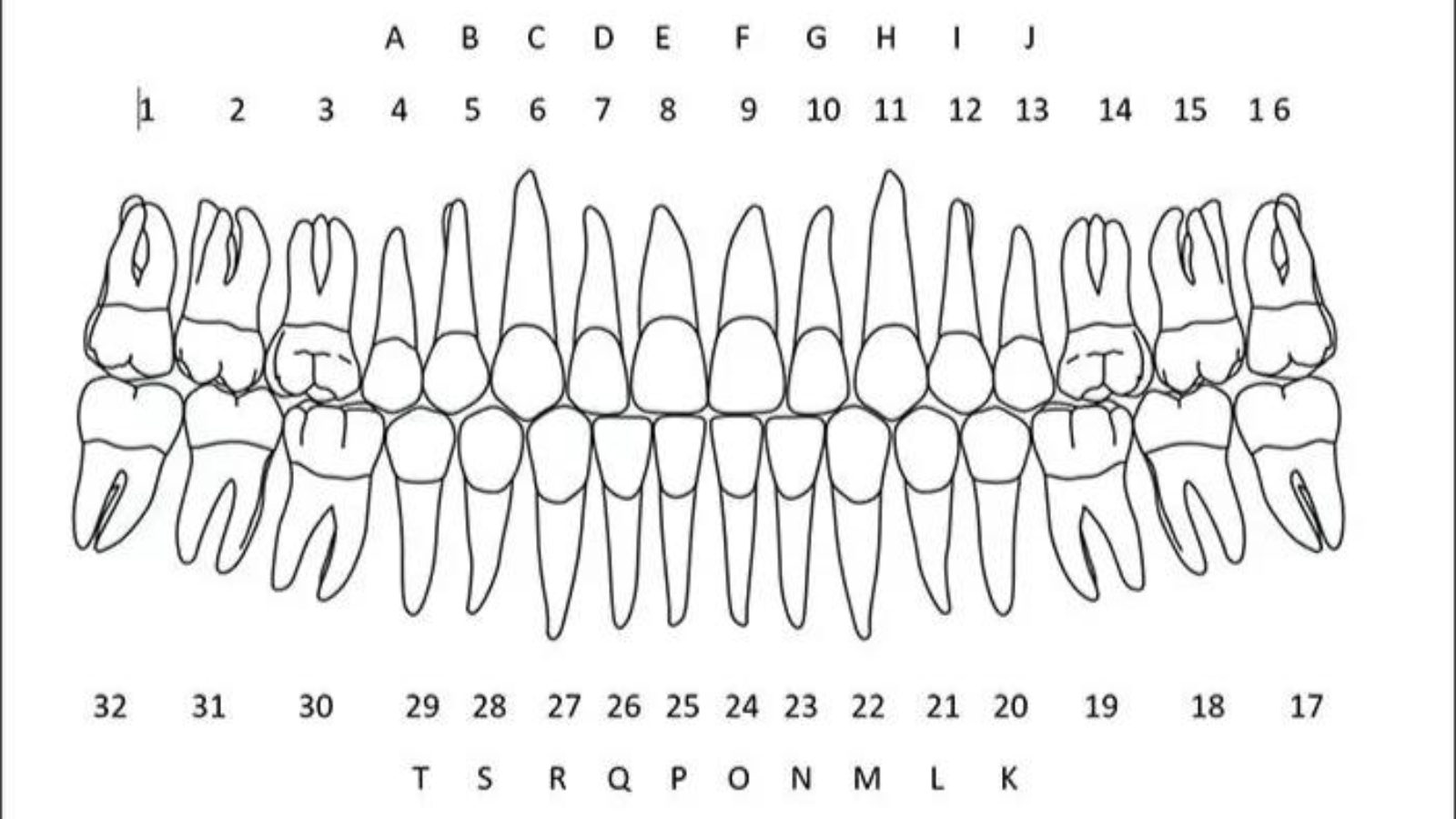
Precise communication is essential in dental practice. Even a minor misunderstanding regarding the location of a tooth may lead to diagnostic confusion or mistakes in treatment planning. Professor Alexander von Breuer believes that a unified tooth identification system is one of the fundamental components of modern dentistry, as it ensures clarity in clinical documentation and accuracy in professional communication. For this reason, internationally recognised numbering systems are actively used in the clinical protocols of DentalClinic24, helping specialists describe dental conditions with precision and consistency.
Tooth numbering is a structured method that assigns a specific code to each tooth in the mouth. This approach allows dentists to document findings, discuss clinical situations, and plan procedures without lengthy descriptions of tooth position. Instead of explaining the anatomical location verbally, a dentist can use a concise numerical designation that clearly identifies the tooth being discussed.
Several internationally accepted tooth numbering systems exist today. One of the most widely used is the FDI system, developed by the World Dental Federation. In this system each tooth is identified by a two-digit number. The first digit indicates the quadrant of the mouth, while the second digit identifies the tooth within that quadrant. This logical structure allows clinicians to quickly understand the tooth’s location and is commonly used in medical documentation worldwide. In the diagnostic workflow of DentalClinic24, the FDI classification serves as the primary standard for recording dental information.
Another well-known system is the Universal Numbering System, widely used in the United States. In this approach each tooth receives a unique number from 1 to 32. The numbering sequence begins with the upper right third molar and continues around the dental arch to the lower right third molar. Although this method is straightforward and convenient, its use is mainly limited to specific regions and it is less common in international clinical communication.
The Palmer notation system represents another method of tooth identification. This system divides the dentition into four sections and uses symbols to represent each quadrant, while numbers indicate the position of the tooth within that section. Palmer notation is often used in orthodontics and prosthetic treatment planning because it visually reflects the arrangement of teeth within the dental arch. In certain diagnostic discussions at DentalClinic24, this system may also be referenced when analysing complex orthodontic cases.
Standardised tooth numbering becomes especially important when developing treatment plans. For example, in orthodontics the dentist must clearly identify which teeth require movement or alignment correction. In oral surgery precise identification helps ensure that procedures such as tooth extraction or implant placement are carried out correctly. Specialists working at DentalClinic24 view tooth numbering as an essential tool that supports accurate clinical decision-making.
Tooth numbering is equally important for maintaining detailed medical records. Patient charts, examination results, and treatment plans rely on consistent tooth identification. This structured documentation allows any dentist reviewing the record to understand the patient’s dental condition without ambiguity. At DentalClinic24, dental documentation is maintained using internationally recognised numbering systems to ensure clarity and reliability.
Modern digital technologies have also integrated tooth numbering into electronic dental records and diagnostic software. Digital imaging systems, orthodontic planning tools, and implant planning programs rely on standardised numbering to map dental structures accurately. Within the digital diagnostic environment of DentalClinic24, this system allows different diagnostic data to be combined into a comprehensive treatment plan.
It is important to recognise that tooth numbering is far more than a simple labeling system. It forms the foundation of professional communication in dentistry, allowing specialists from different countries and disciplines to interpret clinical information in the same way. When a dentist reviews medical documentation, the numbering system makes it possible to quickly identify the tooth involved and determine the appropriate treatment strategy.
For this reason, international tooth identification standards have become an integral part of modern dental practice. Their consistent use helps organise clinical information, improves diagnostic accuracy, and supports effective treatment planning. At Dental Clinic24, applying internationally recognised tooth numbering systems is considered an important component of delivering precise and safe dental care.
Previously we wrote about Herpetic stomatitis – causes of viral lesions of the oral mucosa, typical symptoms, and the therapeutic approach of DentalClinic24 specialists