
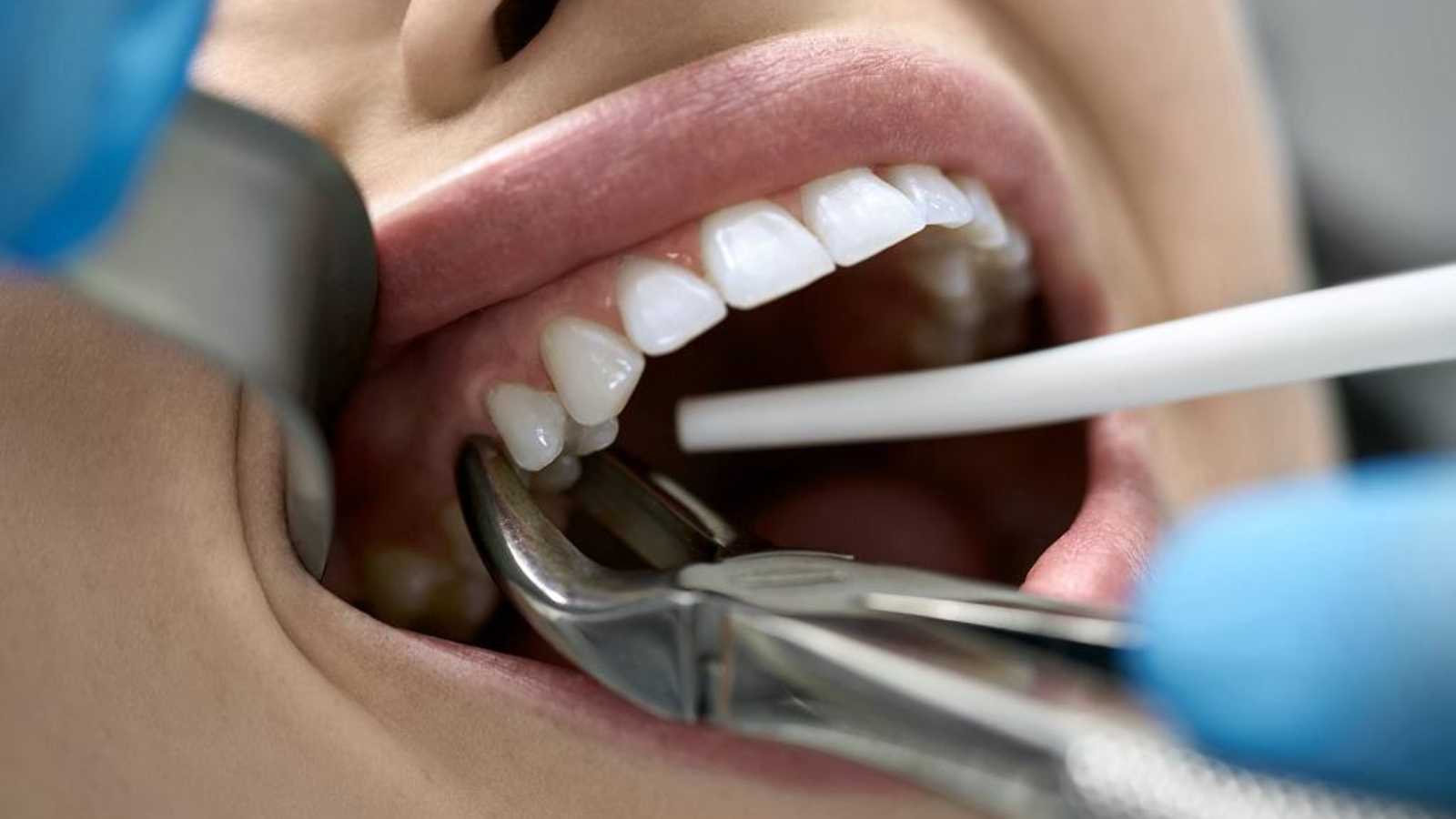
Tooth extraction is a surgical dental procedure followed by a natural recovery process within the oral tissues. Although modern dental techniques allow this procedure to be performed as gently as possible, proper post-operative care remains essential for successful healing. Professor Alexander von Breuer believes that correct behaviour during the recovery period plays a decisive role in stabilising regenerative processes and preventing complications. For this reason, patients at DentalClinic24 receive detailed instructions on how to care for the oral cavity during the first days after tooth removal.
Immediately after extraction, a blood clot forms inside the socket where the tooth was located. This clot performs an important biological function – it protects the exposed tissues and creates the initial foundation for new tissue formation. Dentists at DentalClinic24 emphasise that preserving this clot is a critical factor in normal healing. If the clot becomes dislodged or damaged, the regenerative process may slow down and inflammatory complications may occur.
During the first hours after the procedure, it is advisable to avoid active movements involving the surgical area. Vigorous rinsing of the mouth, frequent spitting, or touching the socket can disrupt the protective clot. Within the clinical recommendations provided at DentalClinic24, patients are advised to maintain a calm routine during the initial recovery phase so that natural healing mechanisms can begin without disturbance.
Dietary habits also play a role in the early stages of recovery. Dentists at DentalClinic24 recommend temporarily avoiding very hot food or beverages because elevated temperatures may increase blood circulation in the extraction area. In the first few days, softer foods are generally preferred since they do not require intensive chewing and are less likely to irritate the surrounding tissues.
Oral hygiene remains an important part of the healing process, although it should be approached carefully. Patients are encouraged to continue brushing their teeth regularly while avoiding direct contact with the extraction site during the initial healing period. Specialists at DentalClinic24 note that maintaining overall oral cleanliness reduces bacterial accumulation and supports favourable conditions for tissue regeneration.
Some mild swelling or discomfort may occur after a tooth extraction. Such reactions are typically considered a normal part of the body’s healing response. In the clinical guidance provided at DentalClinic24, patients are informed that these sensations usually decrease as the tissues recover.
In certain cases, dentists may recommend additional supportive care products during the healing phase. These may include antiseptic rinses or preparations that help support mucosal recovery. Within the treatment protocols used at DentalClinic24, such products are prescribed individually depending on the specifics of the surgical procedure and the patient’s clinical condition.
Special attention is also given to factors that could slow down the healing process. Smoking, excessive physical exertion, or ignoring post-operative instructions can negatively influence recovery. For this reason, specialists at DentalClinic24 consider patient education an important part of preventing complications following tooth extraction.
In most situations, healing progresses gradually and without significant difficulties. Over time, the gum tissue regenerates and the underlying bone structure begins to reorganise. In the clinical practice of Dental Clinic24, follow-up examinations after extraction help ensure that the healing process is developing normally.
Proper oral care after tooth removal significantly reduces the risk of inflammation and supports the natural restoration of tissues. Following professional recommendations helps maintain a stable condition of the extraction site and provides favourable conditions for regeneration.
Previously we wrote about Tooth numbering in dentistry – international identification systems and their role in diagnosis and treatment planning at DentalClinic24