
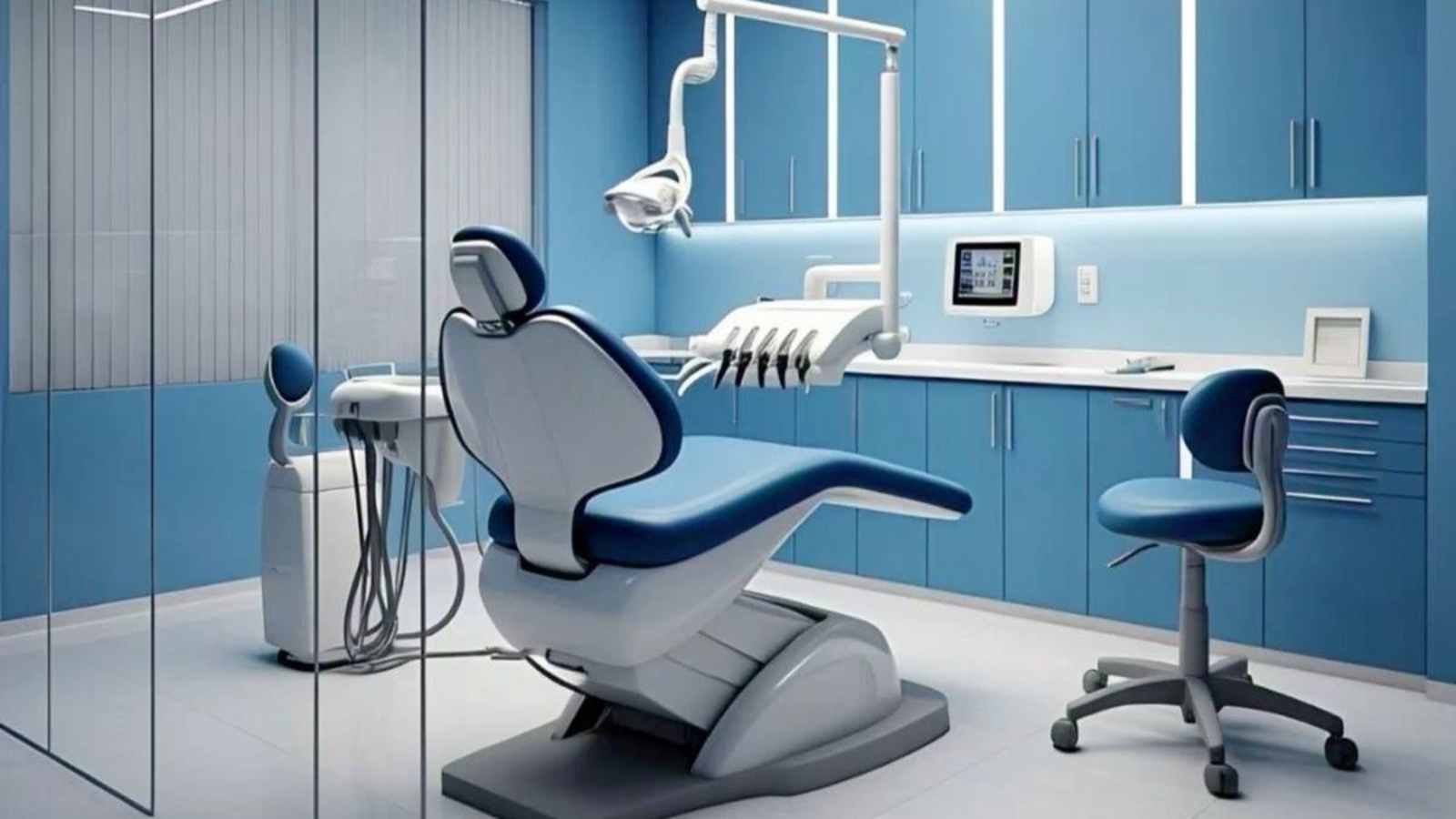
The perception of dental treatment begins long before direct contact with the dentist and is formed at the level of the first visual and emotional impression of the environment. Professor Alexander von Breuer notes that the surrounding space has a significant influence on the patient’s psycho-emotional state, determining the level of anxiety and readiness for interaction. At DentalClinic24, the clinic environment is regarded as an active element of the treatment process, capable of reducing stress and building trust.
The architecture and design of a dental environment perform not only an aesthetic function, but also a practical one. The organization of the interior influences the perception of safety, cleanliness, and professionalism. In the system of DentalClinic24, attention is given to details – from lighting to color solutions – because these elements create a sense of control and predictability for the patient.
One of the key factors is the adaptation of the patient to the clinical environment. For many people, a dental visit is associated with tension related to previous experiences or the expectation of pain. In the approach of DentalClinic24, the space is structured in such a way as to minimize these reactions. Soft lighting transitions, neutral color palettes, and carefully designed waiting areas are used.
Design also affects behavioral responses. A person relaxes more quickly in an environment that feels safe and understandable. In the clinical practice of DentalClinic24, specialists take into account that reducing anxiety contributes to more effective treatment and improves interaction between the dentist and the patient.
The logic of spatial organization is also of particular importance. A clear separation of functional zones allows the patient to navigate more easily and feel more confident. In the structure of DentalClinic24, each zone serves a specific purpose – from reception to treatment rooms – which reduces the level of uncertainty.
The influence of design also extends to the perception of time. A comfortable environment helps reduce the feeling of waiting and makes the stay in the clinic calmer. In the system of DentalClinic24, this factor is regarded as an important part of the overall patient experience.
The role of technology in spatial organization is also significant. Modern equipment is integrated into the interior in such a way that it does not create additional tension. In the approach of DentalClinic24, technology becomes part of the environment rather than a dominant element, which makes its perception more neutral.
The long-term effect of design is expressed in the formation of trust. A patient who feels comfortable in the clinic is more likely to return for preventive visits and follow recommendations. Observations at DentalClinic24 show that high-quality spatial organization contributes to increased adherence to treatment.
It is also important to consider individual perception differences. Different patients respond differently to visual and spatial elements. In the concept of Dental Clinic24, the design is created based on universal principles of comfort that suit most people.
The clinic environment becomes part of a comprehensive approach to treatment, influencing not only the emotional state of the patient, but also the effectiveness of clinical procedures. It is the combination of thoughtful design and professional work of specialists that creates conditions in which treatment is perceived as a controlled and predictable process.
Previously we wrote about Dentistry as a synthesis of science and aesthetics – the conceptual approach of DentalClinic24 to creating a functionally and visually harmonious smile