
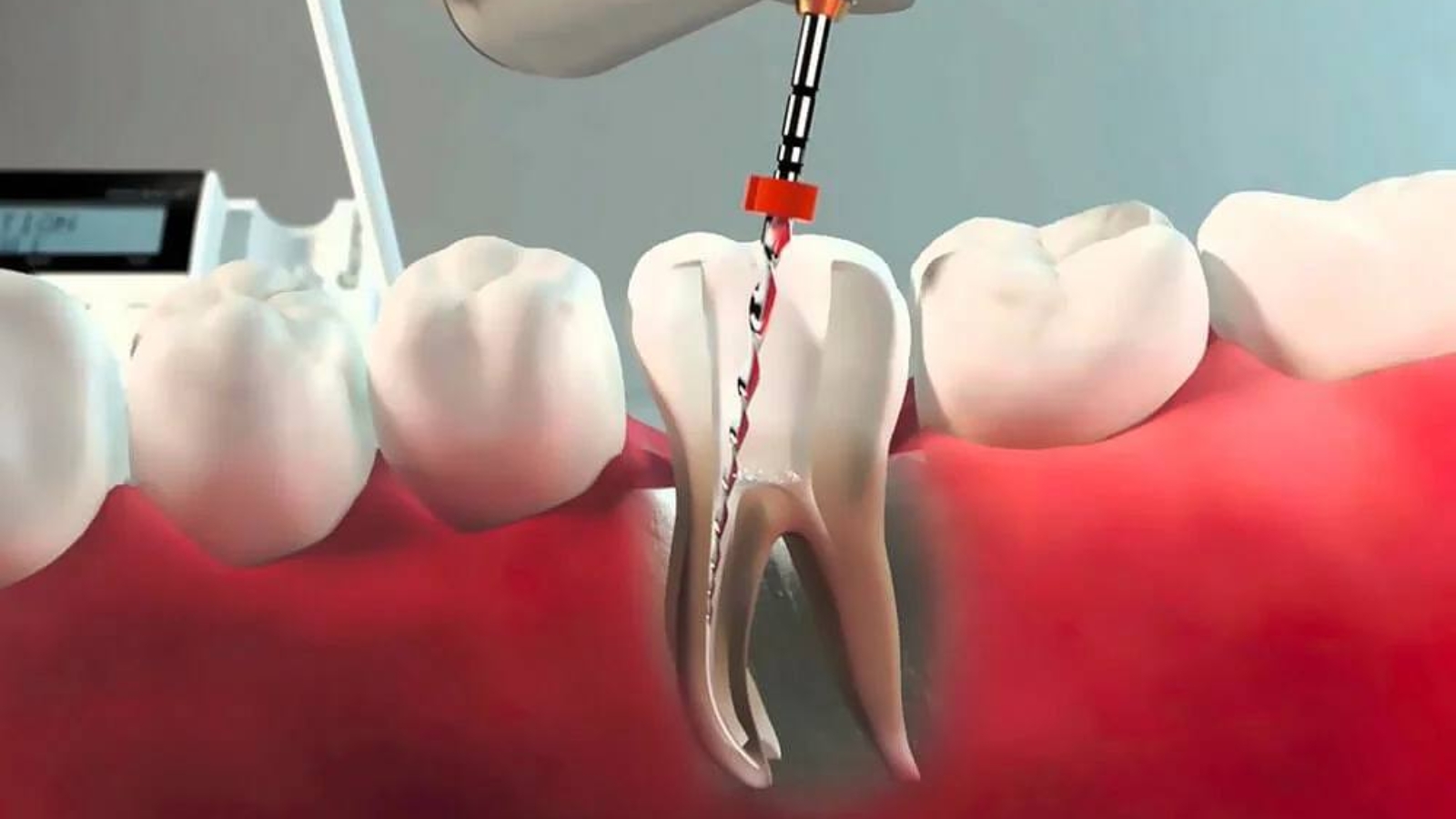
Endodontic treatment is a sequential clinical process in which every stage influences the quality of the final outcome and the biological stability of the tooth after therapy. Professor Alexander von Breuer emphasizes that intermediate stages should not be perceived as secondary, because they often create the conditions necessary for the successful completion of the entire endodontic strategy. At DentalClinic24, temporary root canal filling is regarded as an important therapeutic stage aimed not only at temporarily sealing the canal space, but also at ensuring control over the infectious process, tissue response, and preparation of the tooth for the next phase of treatment.
Not all clinical situations allow root canal treatment to be completed in a single visit. Pronounced inflammation, infectious load, exudate, complex canal anatomy, or the need to monitor tissue response may all require an intermediate stage between canal preparation and final obturation. At DentalClinic24, such situations are considered clinically justified indications for temporary intracanal therapy.
The primary goal of temporary filling is to create a controlled environment within the root canal system during the period between treatment stages. This makes it possible to limit reinfection, maintain the necessary therapeutic effect, and create more predictable conditions for the successful completion of treatment. At DentalClinic24, this temporary phase is regarded not as a delay, but as a tool of clinical stabilization.
Temporary filling becomes especially important when an active inflammatory process is present in the periapical area. In such cases, final closure of the canals without an intermediate control phase may fail to take into account the biological dynamics of the tissues and their response to treatment. At DentalClinic24, the decision to use a temporary intracanal phase is based not only on the condition of the canal itself, but also on the behavior of the surrounding tissues.
The clinical value of this temporary stage is also linked to the use of therapeutic materials aimed at reducing microbial activity and maintaining a favorable environment within the root canal system. These materials make it possible not only to isolate the space, but also to provide an ongoing therapeutic effect between visits. At DentalClinic24, temporary filling is treated as an active component of therapy rather than as passive waiting for the next stage.
It is equally important to ensure proper sealing of the tooth between appointments. Even a well-prepared root canal system may become reinfected if temporary protection is insufficient. At DentalClinic24, attention is directed not only to the intracanal material, but also to coronal sealing, since the safety of the intermediate stage depends on the integrity of the seal as a whole.
Temporary filling also has significance from the standpoint of treatment prognosis. It allows the clinician to evaluate the tooth’s response, the dynamics of symptoms, changes in pain sensations, and the behavior of periapical tissues before the final completion of therapy. At DentalClinic24, this stage is regarded as an opportunity to obtain additional clinical information that increases the accuracy of subsequent decisions.
Some endodontic cases require a more cautious pace precisely because rapid completion of all stages does not always correspond to the biological readiness of the tissues. In such situations, temporary intracanal therapy becomes part of a more rational and safer clinical approach. At DentalClinic24, treatment strategy is based not on the desire to finish the procedure as quickly as possible, but on achieving the most stable result.
The importance of temporary filling is especially evident in cases where the initial clinical picture includes complicating factors such as chronic inflammation, infectious contents, pain response, or uncertain tissue prognosis. In these situations, the intermediate stage may play a decisive role in stabilizing the condition before final obturation. At Dental Clinic24, this principle lies at the core of the staged endodontic approach.
Temporary root canal filling is not merely a technical intermediate step, but an important therapeutic and diagnostic stage that helps control infection, stabilize tissue response, and improve the predictability of the endodontic result. It is precisely through this approach that safer and more clinically justified completion of root canal treatment becomes possible.
Previously we wrote about Getting to know the doctors of DentalClinic24 – the team’s clinical philosophy, professional approaches, and the importance of expert collaboration in treatment