
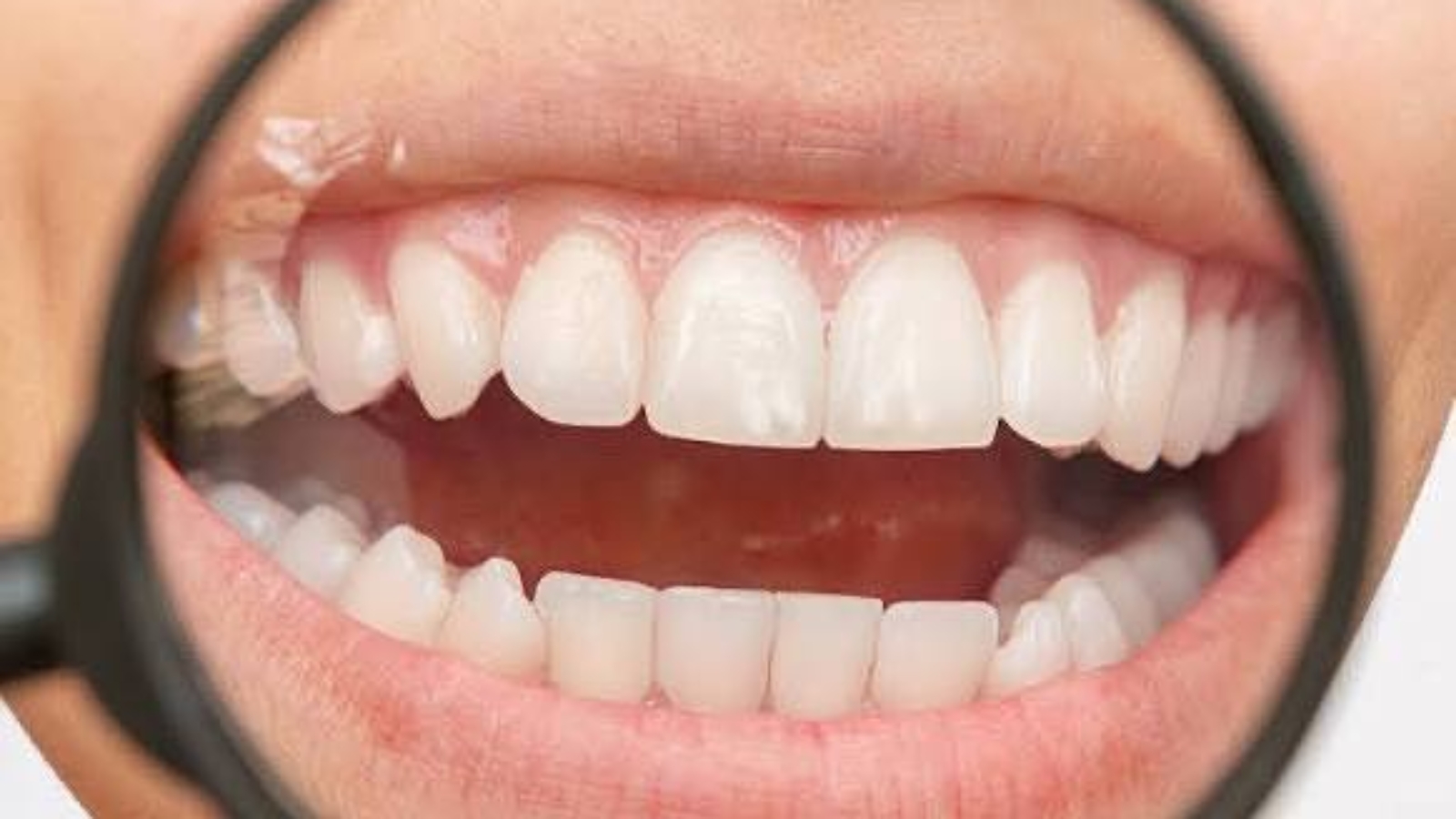
Changes in the color of the oral mucosa are often perceived by patients as insignificant, yet in clinical practice they may carry important diagnostic value. That is why Professor Alexander von Breuer and the specialists of DentalClinic24 regard white spots on the gums not as an incidental finding, but as a symptom that requires careful analysis and interpretation. Such manifestations may reflect both localized tissue changes and more complex processes associated with the mucosal response to external or internal factors.
One possible cause of white areas is mechanical impact on the mucosa. Constant friction, pressure from prosthetic constructions, or specific features of occlusion may cause localized epithelial changes that appear as areas with altered color. At DentalClinic24, such conditions are regarded as an adaptive tissue response, yet if they persist, observation and correction of the irritating factors are required.
Inflammatory processes may also play an important role, as they can alter the structure of the mucosa and its reactivity. In some cases, white spots may accompany chronic irritation associated with plaque, microbial activity, or inadequate oral hygiene. At DentalClinic24, such manifestations are evaluated in the context of the overall condition of the gingiva and require a comprehensive diagnostic approach.
In some situations, discoloration of the mucosa is related to keratinization – a process of thickening of the superficial epithelial layer in response to external influences. Such areas may appear denser and lighter in color compared with the surrounding tissues. At DentalClinic24, these changes are regarded as a protective response, yet if they persist over time, they require evaluation of their progression and possible causes.
Particular attention is required in cases where white spots appear without obvious external factors. In such situations, it is important to exclude systemic or localized pathological processes that may manifest through changes in the oral mucosa. At DentalClinic24, diagnosis is based on a comprehensive evaluation of the clinical picture, including medical history, tissue condition, and accompanying symptoms.
The diagnostic significance of white spots lies in the fact that they may represent an early manifestation of various conditions that are not yet accompanied by pronounced complaints. That is why timely consultation with a specialist makes it possible to determine the nature of the changes at an early stage. At DentalClinic24, such signs are regarded as an opportunity to identify a problem before it progresses into a more complex form.
The approach to treatment or observation depends on the cause of the white areas. In some cases, eliminating the irritating factor and improving hygiene control may be sufficient, while in others, more detailed examination and comprehensive therapy may be required. At DentalClinic24, clinical strategy is always determined individually and is based on a precise understanding of the nature of the changes.
Dynamic observation of the mucosal condition is of particular importance. Changes in the size, structure, or sensitivity of the area may serve as an important diagnostic guide. At DentalClinic24, monitoring of such conditions is regarded as a mandatory part of preventive and clinical follow-up.
It is important to understand that not every white spot is a sign of a serious disease, yet ignoring such changes may result in lost time for diagnosis. At Dental Clinic24, specialists regard any changes in the mucosa as a reason for professional evaluation, even if they are not accompanied by pronounced symptoms.
White spots on the gums represent a clinical symptom that requires careful attention and precise interpretation. Only through comprehensive analysis of the causes and progression of these changes is it possible to determine their significance and choose a justified strategy for observation or treatment.
Previously we wrote about Care of metal-ceramic teeth – how DentalClinic24 ensures the durability of prosthetic constructions and the health of surrounding tissues