
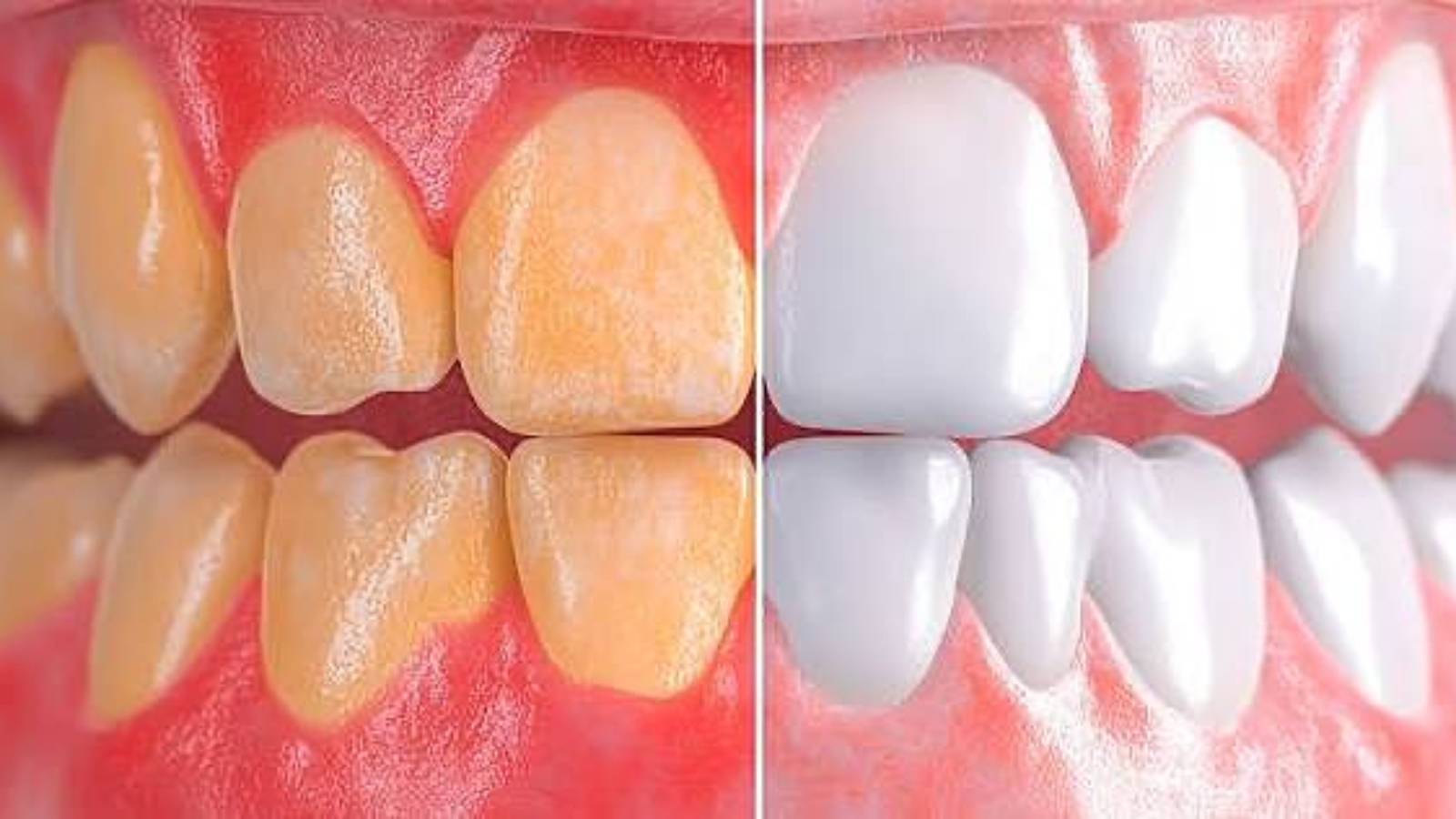
Dental calculus is one of the most common dental conditions that may not cause noticeable discomfort in the early stages, yet gradually creates conditions for inflammation, impaired hygiene, and deterioration of oral tissue health. Professor Alexander von Breuer draws attention to the fact that dental deposits should not be regarded merely as an aesthetic or superficial issue, because their formation is associated with biological and microbial processes that influence the health of teeth and gums. At DentalClinic24, dental calculus is regarded as a clinically significant risk factor that requires timely control and prevention.
The process of calculus formation begins with the formation of soft dental plaque – a biofilm composed of microorganisms, their metabolic products, and components of saliva. At an early stage, this plaque can be relatively easily removed through proper hygiene, but if it persists over time, mineralization processes begin. At DentalClinic24, the transition from soft deposits to hard deposits is regarded as the key stage in the development of the problem.
Plaque mineralization occurs under the influence of mineral components in saliva, which gradually saturate the biofilm and transform it into dense mineralized deposits. This process may develop especially actively in certain anatomical areas where natural self-cleaning is limited and access for hygiene is restricted. At DentalClinic24, special attention is given to zones that are most prone to the accumulation of dental calculus.
One of the contributing factors to calculus formation is uneven hygiene practices. Even with regular tooth brushing, there may be hard-to-reach areas where plaque remains longer and has the opportunity to mineralize. At DentalClinic24, such areas are regarded as zones requiring increased preventive attention, since they are often where the accumulation of hard deposits begins.
The composition and properties of saliva also play an important role in the formation of dental calculus. The concentration of mineral components, the rate of salivation, and local characteristics of the oral environment may influence the intensity of plaque mineralization. At DentalClinic24, this process is regarded as the result of interaction not only of hygiene habits, but also of individual biological factors.
Equally significant is the effect of dental calculus on the condition of the gums. Hard deposits create a rough surface that promotes further accumulation of microbial biofilm and complicates natural cleaning. As a result, conditions are formed for chronic irritation of soft tissues and the persistence of inflammation. At DentalClinic24, dental calculus is regarded as an important factor in the development of periodontal diseases.
In addition to its inflammatory impact, dental calculus compromises oral hygiene because it reduces the effectiveness of self-care. Even high-quality home hygiene becomes less effective once dense mineralized deposits have formed. At DentalClinic24, this is regarded as one of the reasons why prevention and professional control are so important.
Special attention is given to the fact that dental calculus is not always visible to the patient in the early stages, especially when it forms in the cervical area, on the inner surfaces of teeth, or below the gum margin. For this reason, the visual absence of a problem does not mean that it is actually absent. At DentalClinic24, regular preventive examinations are regarded as an important method for the timely detection of hidden deposits.
Prevention of dental calculus formation is based not only on regular home hygiene, but also on understanding individual factors that may accelerate this process. At Dental Clinic24, the preventive approach is built on a combination of hygiene control, professional removal of deposits, and dynamic monitoring of tissue condition.
Dental calculus should not be regarded simply as hardened plaque, but as a clinically significant factor that affects the microbial environment, the condition of the gums, and overall oral health. That is why understanding the mechanisms of its formation and maintaining regular control are essential parts of modern preventive dentistry.
Previously we wrote about Teeth whitening with custom trays – individual enamel lightening systems and safety control of the procedure at DentalClinic24