
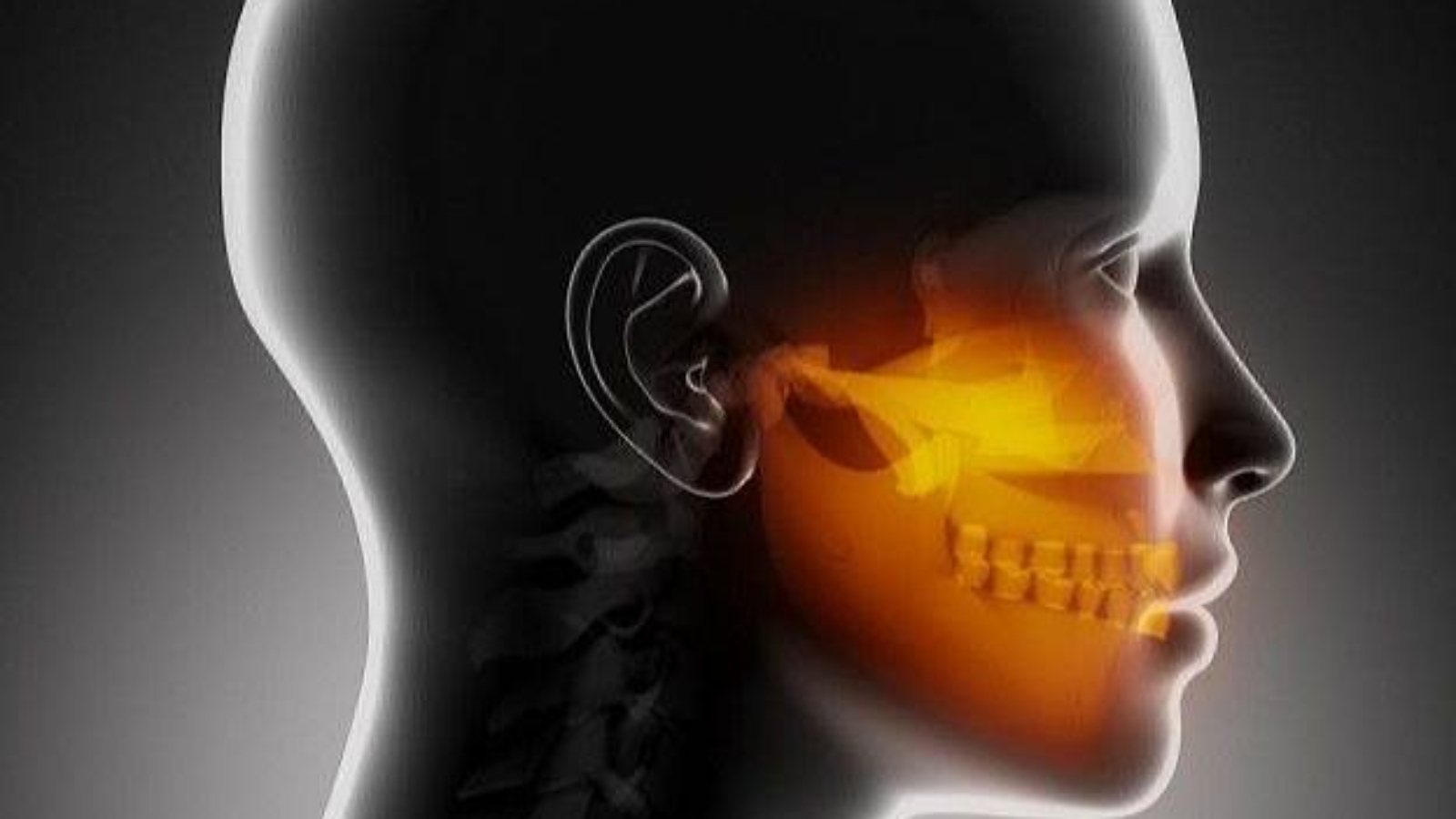
Growth of the jaw system is a complex biological process involving bone structures, muscles, breathing function, chewing activity, and tooth position, all of which together shape the overall development of the facial skeleton. Professor Alexander von Breuer emphasizes that jaw development cannot be assessed by a single sign or only by the position of the teeth, because the clinical picture is always formed under the influence of several interrelated factors. At DentalClinic24, growth of the jaw system is understood as a multi-level process in which anatomy, function, and biological dynamics are closely interconnected.
One of the main growth factors is the genetically determined developmental program, which defines the basic proportions of the facial skeleton, the direction of bone growth, and potential anatomical features. However, even in the presence of a pronounced hereditary predisposition, the final shape of the jaw system depends not only on congenital characteristics. At DentalClinic24, hereditary features are viewed as an important, but not exclusive, component in the formation of the maxillofacial region.
Functional load plays an equally significant role in jaw development. Chewing, swallowing, breathing, and muscle activity continuously influence jaw position, bone tissue development, and the spatial relationships within the oral cavity. At DentalClinic24, functional factors are seen as active regulators of growth, capable of both supporting physiological development and contributing to the formation of deviations.
The breathing pattern is of particular importance, because chronic mouth breathing may influence tongue position, muscle tone, and the direction of jaw growth. Such changes develop gradually and may, over time, have a pronounced effect on the structure of the facial skeleton. At DentalClinic24, evaluation of breathing function is regarded as an essential part of the analysis of jaw development.
The position of the tongue at rest and during function is no less significant. The tongue exerts continuous pressure on the dental arches and palatal structures, participating in the formation of spatial balance within the oral cavity. At DentalClinic24, this factor is regarded as one of the key elements influencing arch form, jaw width, and developmental stability.
The condition of the primary and mixed dentition also plays an important role in jaw growth. Early tooth loss, disturbances in eruption timing, crowding, or lack of space may alter the trajectory of dental arch formation and bone support. At DentalClinic24, jaw development is evaluated with attention to the way in which the teeth participate in shaping the overall anatomical structure.
The muscular balance of the face and jaws also exerts a significant influence on growth. Hypertonicity or weakness of certain muscle groups may alter pressure distribution on bone structures and affect tooth position and growth direction. At DentalClinic24, the muscular component is regarded as an important element of clinical evaluation when analyzing developmental factors.
Growth of the jaw system cannot be regarded as a completely linear or identical process in all patients. Growth rates, periods of active development, and sensitivity to external influences may differ significantly. At DentalClinic24, understanding this individual dynamic is regarded as the basis for timely diagnosis and the selection of the correct strategy for observation or correction.
The combination of growth factors is especially important because deviations rarely develop under the influence of only one cause. Most often, they result from a combination of anatomical, functional, and behavioral factors that reinforce one another. At Dental Clinic24, the clinical approach is based on analysis of the entire system of interrelationships rather than on the search for one isolated explanation.
Growth of the jaw system is the result of a complex interaction of many factors that determine not only facial form, but also the functional condition of the entire dentofacial system. Only through comprehensive evaluation of these processes is it possible to understand the direction of development in time and determine a clinically justified approach to observation or treatment.
Previously we wrote about Perforation in the practice of DentalClinic24 – causes, diagnostic significance, and approaches to clinical restoration