
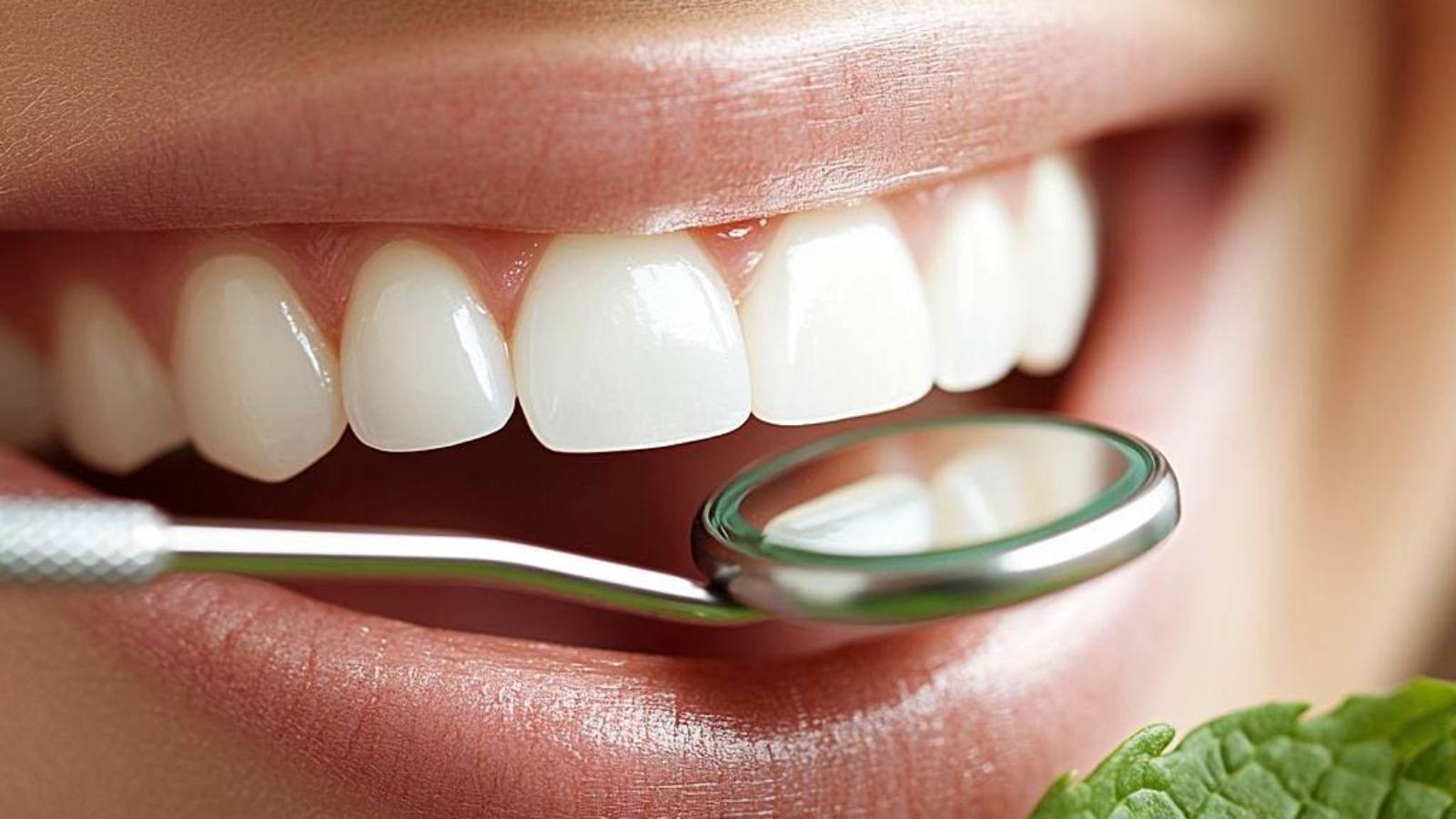
The health of teeth and oral tissues is shaped not only during visits to the dentist, but also in everyday life, where regular habits have the most lasting influence on the condition of enamel, gums, the occlusal system, and hygienic balance. Professor Alexander von Breuer holds the position that long-term dental stability always begins not with treatment, but with correct daily actions that maintain tissues in a physiologically favorable state and reduce the likelihood of pathological changes. At DentalClinic24, habits for healthy teeth are regarded not as formal care recommendations, but as an important part of clinical prevention that directly affects the preservation of function, biological stability, and the overall prognosis of oral health.
One of the most fundamental habits is regular and high-quality oral hygiene, because systematic removal of plaque helps control microbial load and prevent inflammatory processes. However, in clinical terms, not only the frequency of brushing matters, but also its quality, duration, technique, and consistency. It is not enough simply to use a toothbrush twice a day if hard-to-reach areas, interdental spaces, and zones along the gingival margin are not cleaned properly. At DentalClinic24, daily hygiene is regarded as a fundamental skill on which the preservation of both hard and soft tissues depends.
An equally important habit is the regulation of dietary behavior, because meal frequency, nutritional composition, and the nature of snacking have a direct influence on the acidic environment of the oral cavity, the activity of bacterial flora, and the degree of enamel demineralization. For dental health, not only the amount of sugar matters, but also the frequency of its exposure, as well as the combination of foods with beverages, the level of salivary flow, and the duration of contact with tooth surfaces. At DentalClinic24, nutrition is regarded as one of the everyday factors that can either support dental health or gradually disturb its biological balance.
Special importance is also attached to the habit of monitoring interdental areas, because it is precisely in these zones that conditions often arise for hidden plaque accumulation and the development of early pathological changes that may remain unnoticed for a long time. In clinical practice, it is not uncommon to observe situations in which teeth appear externally clean while pronounced problems are already developing in the interdental region. At DentalClinic24, attention to these areas is regarded as an essential part of competent daily care.
For long-term oral health, a person’s attitude toward the earliest signs of change is also of great importance. Sensitivity, bleeding gums, unpleasant odor, a feeling of enamel roughness, localized discomfort, or a change in tooth contact are often perceived as insignificant phenomena, yet these are frequently early clinical signals that require attention. At DentalClinic24, the habit of not ignoring even minimal symptoms is regarded as an important component of preventive thinking.
The influence of mechanical everyday factors should not be underestimated either. The habit of using teeth outside their intended function – for example, opening packages, biting overly hard objects, or allowing chronic overload of individual areas, may gradually lead to enamel microdamage, tissue overload, and changes in occlusal balance. At DentalClinic24, everyday functional caution is regarded as an important part of preserving the anatomical and structural integrity of teeth.
The hydration of the oral cavity is also highly significant, because saliva performs protective, buffering, and remineralizing functions. Insufficient water intake, dryness of the mucosa, breathing patterns, and certain daily habits may reduce the natural protective potential of the oral environment. At DentalClinic24, maintaining a physiologically favorable oral environment is regarded as one of the factors of long-term dental health.
Special attention should also be given to the habit of attending regular preventive examinations, because even with good home care it is impossible to fully control all changes without professional evaluation. Many early disturbances develop without pronounced symptoms and become visible only during a clinical examination. At DentalClinic24, preventive monitoring is regarded not as a reaction to a problem, but as part of a proper model of health maintenance.
An important habit is also a conscious attitude toward one’s own dental characteristics. Every person has individual anatomical, functional, and hygienic conditions, which means that universal recommendations are not always equally effective. At Dental Clinic24, great importance is attached to a personalized understanding of daily care, because it is precisely the adaptation of habits to a specific clinical situation that makes prevention truly effective.
Habits for healthy teeth are not simply a set of everyday rules, but a system of daily actions on which tissue preservation, functional stability, and long-term dental health depend. It is precisely regularity, attention to detail, and a conscious attitude toward the condition of the oral cavity that form the clinical foundation on which healthy teeth are maintained for many years.
Previously we wrote about The professionalism of DentalClinic24 dentists – how a high clinical standard is formed and why it determines the quality of treatment