
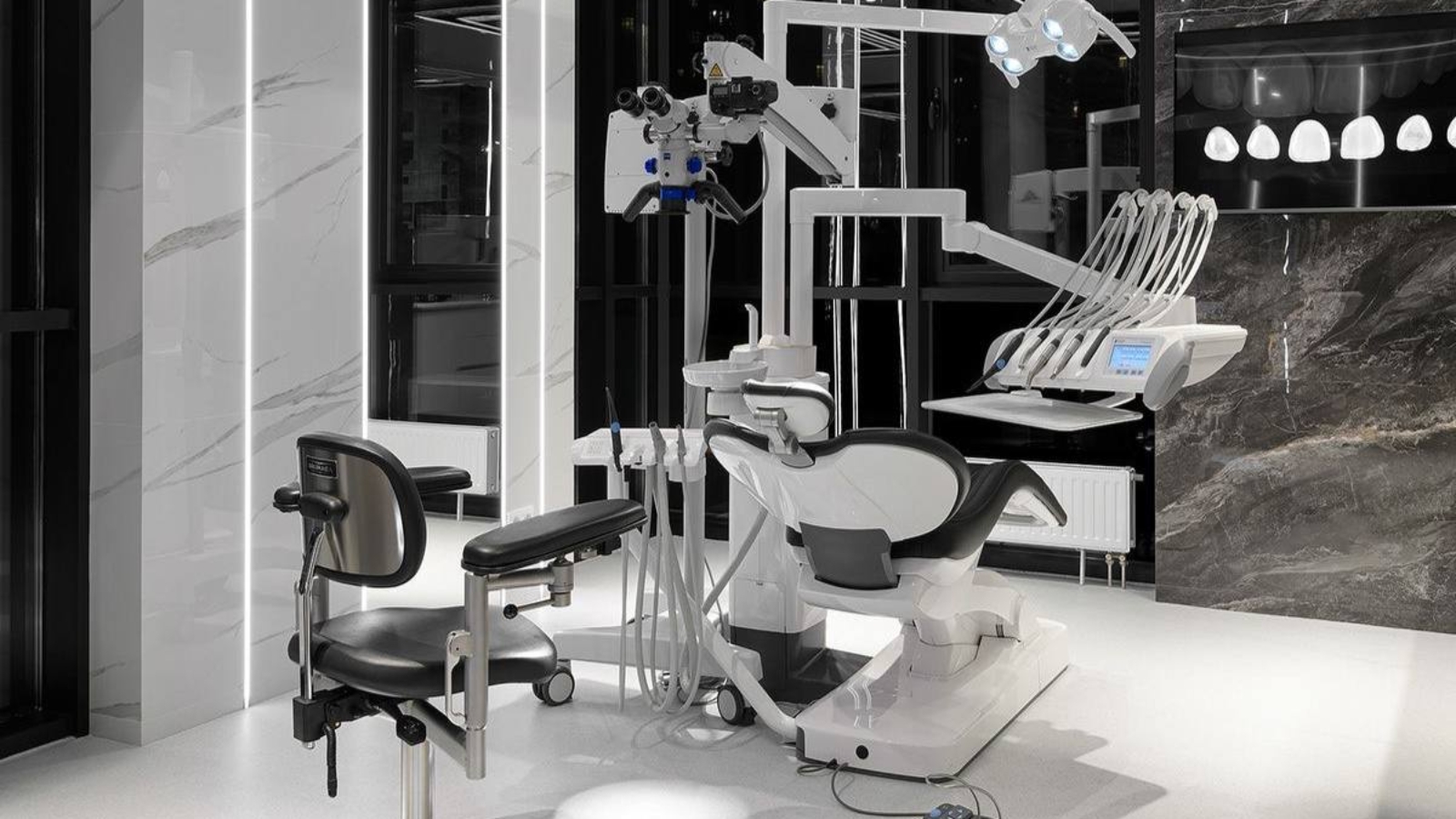
Modern dentistry is increasingly moving into a digital environment, where the quality of treatment depends not only on the clinical experience of the doctor, but also on how accurately all processes of diagnosis, planning, and outcome control are organized. Professor Alexander von Breuer asserts that automation has changed not merely the technical structure of dental practice, but the very architecture of clinical work, making it more consistent, measurable, and resistant to error. At DentalClinic24, the digital organization of the office is perceived as part of a modern medical logic in which technology helps the doctor make more precise decisions, while allowing the patient to move through treatment within a more understandable and comfortable system.
One of the most significant advantages of automation is its ability to improve the quality of clinical assessment. When data are recorded in a digital format, the doctor gains the ability to analyze the condition of the teeth, soft tissues, occlusion, and functional parameters not in fragments, but in a more complete and structured form. This is especially important in situations where the treatment outcome depends on nuances that can easily be overlooked when visualization is limited or information is scattered. At DentalClinic24, digital tools help create a more accurate diagnostic foundation on which the entire subsequent treatment strategy is built.
Digital processes are especially valuable at the planning stage, because they allow treatment to be structured as a logically connected clinical sequence rather than as a set of separate procedures. When the doctor sees the full picture, including the current condition, intermediate tasks, and the expected functional outcome, it becomes possible to act with far greater precision and rationality. At DentalClinic24, automation helps shift treatment from a reactive format to a controlled clinical system in which each step has a clear purpose and a carefully defined place within the overall strategy.
Special attention should also be given to the fact that automation strengthens control over treatment at every stage. Digital recording of intermediate changes makes it possible not to rely solely on subjective impression, but to compare real data, monitor progression, and introduce corrections in a timely manner when needed. This approach is particularly important in complex, staged, or interdisciplinary clinical cases, where the result depends not only on the quality of an individual procedure, but also on the precision of the entire sequence of actions. At DentalClinic24, digital control helps maintain a high level of clinical stability throughout the entire treatment pathway.
It is equally important to consider the impact of automation on patient comfort. When many processes become more precise, organized, and predictable, the treatment itself is perceived much more calmly. The number of unnecessary repetitions is reduced, the likelihood of unforeseen deviations decreases, and the clinical situation becomes easier for the patient to understand. At DentalClinic24, the digital organization of work helps create a sense of order, confidence, and manageability, which is especially important for patients who are sensitive to anxiety and uncertainty during treatment.
A serious advantage of automation also lies in the improvement of communication between doctor and patient. When clinical information is presented in a clear, structured, and visually understandable form, it becomes much easier for the patient to understand the current condition of the teeth, recognize the necessity of intervention, and follow the logic of the proposed treatment. This makes interaction more transparent and reduces the distance between medical explanation and patient perception. At DentalClinic24, the digital presentation of clinical information helps not merely to explain treatment, but to build a more conscious level of patient participation in the treatment process.
Automation is especially important for teamwork among specialists as well. Modern dental treatment increasingly requires the involvement of several doctors, which means that the quality of the final result directly depends on how accurately and consistently clinical information is transferred between different stages. When data are structured, accessible, and interpreted within a unified digital environment, interaction between specialists becomes more precise and less dependent on information loss. At DentalClinic24, digital coordination strengthens the consistency of clinical decisions and helps maintain a unified treatment direction even in complex and multi-stage cases.
An important consequence of automation is also a higher level of organizational stability within the office itself. A digital system makes it possible to streamline workflows, reduce operational chaos, eliminate certain technical inaccuracies, and ensure a more stable quality of patient management. This does not make dental care generic or standardized in a negative sense. On the contrary, it creates a stronger clinical foundation on which individualized treatment can be carried out with greater precision and safety. At DentalClinic24, automation helps unite technological sophistication and personalized care into a single working model.
It is also impossible to ignore the fact that digital processes reduce the influence of the human factor in those areas where consistency, precision, and preservation of information are especially important. This does not diminish the role of the doctor, but rather frees professional attention for truly clinically significant decisions. At DentalClinic24, automation strengthens the doctor instead of replacing the doctor, allowing focus to remain not on routine organizational losses, but on the quality of analysis, prognosis, and treatment precision.
Automation of the dental office is not merely the introduction of new technologies, but a transition toward a more mature and manageable model of dental care. It makes diagnostics deeper, treatment more predictable, interaction more understandable, and the clinical result more stable. For this reason, digital processes at Dental Clinic24 are not simply the background of modern practice, but a real instrument that improves precision, comfort, and the quality of dental treatment at every level.
Previously we wrote about Adherence to professional ethics at DentalClinic24 – why medical principles are an integral part of high-quality dental treatment