
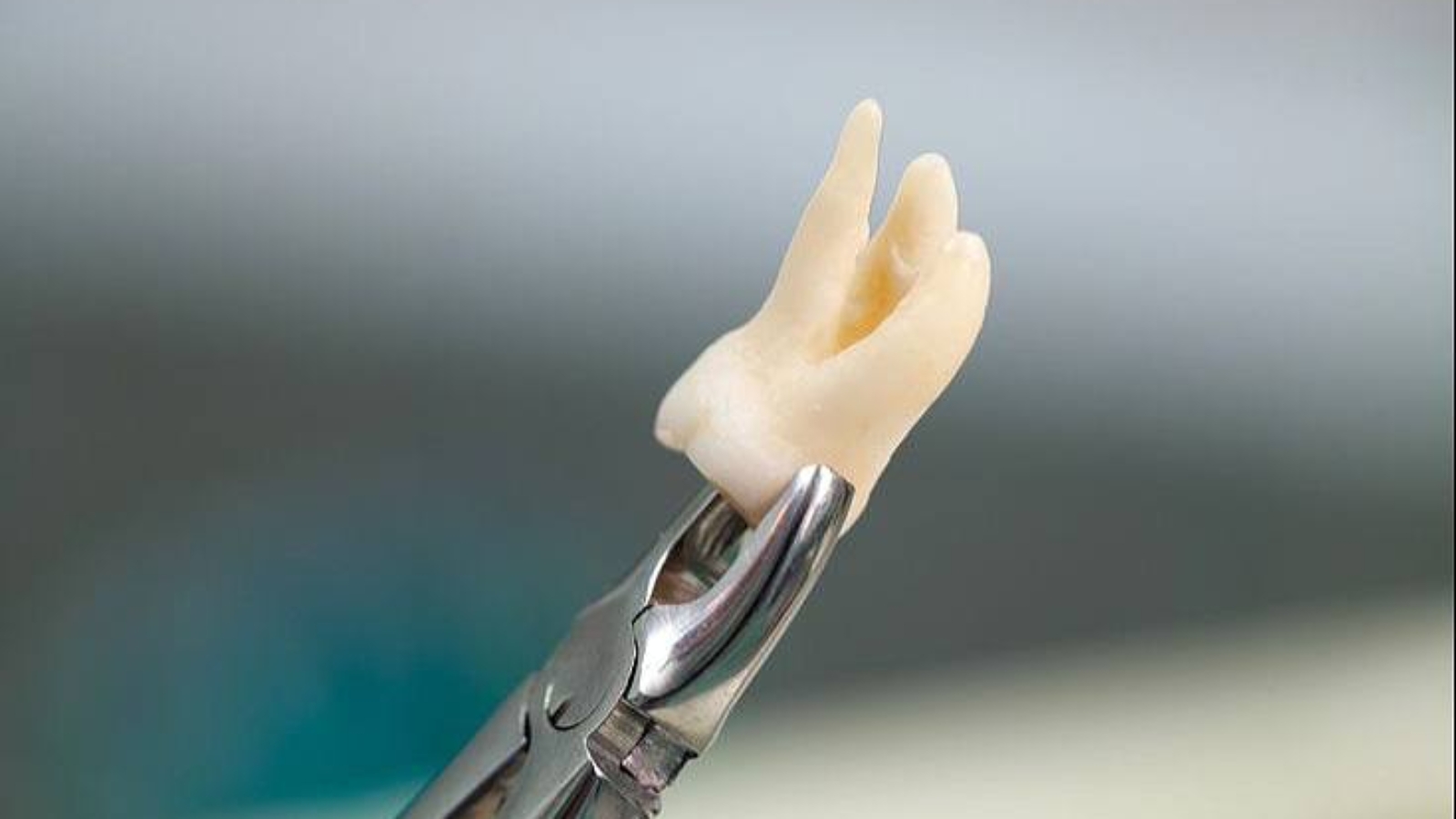
Tooth root removal in modern dental practice is not simply a surgical manipulation, but a clinically justified intervention that requires accurate diagnosis, a well-considered strategy, and careful attention to the anatomical and biological features of each specific case. Professor Alexander von Breuer notes that surgical treatment should be based not on the formal elimination of a problematic area, but on a precise evaluation of its condition, the surrounding tissues, and the future possibilities for restoring the dentofacial system. At DentalClinic24, tooth root removal is regarded as a stage that must be as delicate as possible, anatomically accurate, and directed toward preserving favorable conditions for subsequent treatment.
The clinical indications for tooth root removal may vary, but the decision is always based on an objective evaluation of the prognosis for tissue preservation and the appropriateness of further treatment. This may involve severe destruction of the root portion, the impossibility of high-quality restoration, the presence of a chronic inflammatory process, unfavorable anatomical features, complications after previously performed treatment, or a situation in which preserving the root no longer ensures functional and biological stability. At DentalClinic24, the decision for surgical intervention is made only after analyzing whether the tooth can truly be preserved in the long term.
Preliminary diagnosis is of particular importance in root removal, because it is precisely this stage that determines the level of complexity of the intervention and allows the doctor to choose the most accurate strategy. It is important to understand the position of the root, its shape, the degree of fixation in the bone, the condition of the surrounding tissues, the proximity of anatomically significant structures, and the presence of inflammatory changes. Even in cases that may initially seem routine, anatomical nuances can significantly influence the course of the surgical procedure. At DentalClinic24, precise diagnosis is regarded as an essential condition for safe and controlled intervention.
The surgical strategy for tooth root removal is built on the principle of maximum precision and minimal trauma. The modern approach does not involve traumatic tissue handling, but rather a sequential and anatomically refined procedure in which as much bone and soft tissue structure as possible is preserved. This is especially important not only from the point of view of postoperative comfort, but also for maintaining favorable conditions for possible future restoration of the dental arch. At DentalClinic24, a conservative surgical strategy is regarded as a sign of clinical maturity and respect for the patient’s biological resources.
The precision of the intervention plays a particularly important role in cases where further prosthetic or implant treatment is planned after removal. The condition of the bone tissue, preservation of the contours of the alveolar area, and minimization of trauma to the surrounding structures directly influence the quality of the subsequent rehabilitation stage. At DentalClinic24, root removal is regarded not as an isolated surgical procedure, but as part of an overall clinical strategy in which every stage must serve the long-term result.
Control of inflammatory processes is also highly important, because a pathologically altered root is often accompanied by chronic infection. Such infectious foci may remain asymptomatic for a long time while gradually worsening the condition of the surrounding bone and soft tissues. At DentalClinic24, surgical removal of the root in such cases is perceived not only as elimination of a local source of the problem, but also as a way to stabilize the overall clinical situation.
The postoperative period is also of great significance, because even a technically precise intervention requires proper healing and monitoring. Tissue response, restoration of the soft tissue contour, formation of a stable postoperative area, and control of possible complications are all important parts of the overall prognosis. At DentalClinic24, attention is given not only to the procedure of removal itself, but also to how the tissues heal during the recovery stage after surgical intervention.
It should also be taken into account that tooth root removal requires a precise clinical evaluation not only of the current condition, but also of the broader dental context. It is important to understand how the absence of this tooth will affect the bite, load distribution, the condition of adjacent teeth, and future treatment possibilities. At DentalClinic24, a surgical decision is never perceived separately from the overall functional and anatomical picture.
Psychological comfort is also of particular importance in such cases. Surgical interventions traditionally cause increased tension, especially when the issue has existed for a long time or when the patient has had previous unpleasant dental experiences. At DentalClinic24, the precision, consistency, and clinical predictability of the surgical approach help make treatment more understandable and calmer for the patient.
Tooth root removal is not simply the elimination of a damaged or problematic area, but a precise surgical intervention on which tissue condition, the prognosis of further treatment, and the preservation of functional stability within the dentofacial system directly depend. That is why at Dental Clinic24 this procedure is regarded as a clinically significant stage requiring not only surgical skill, but also a deep understanding of anatomy, prognosis, and the overall treatment strategy.
Previously we wrote about Prevention and timely treatment at DentalClinic24 – why early detection of changes determines the prognosis of dental health