
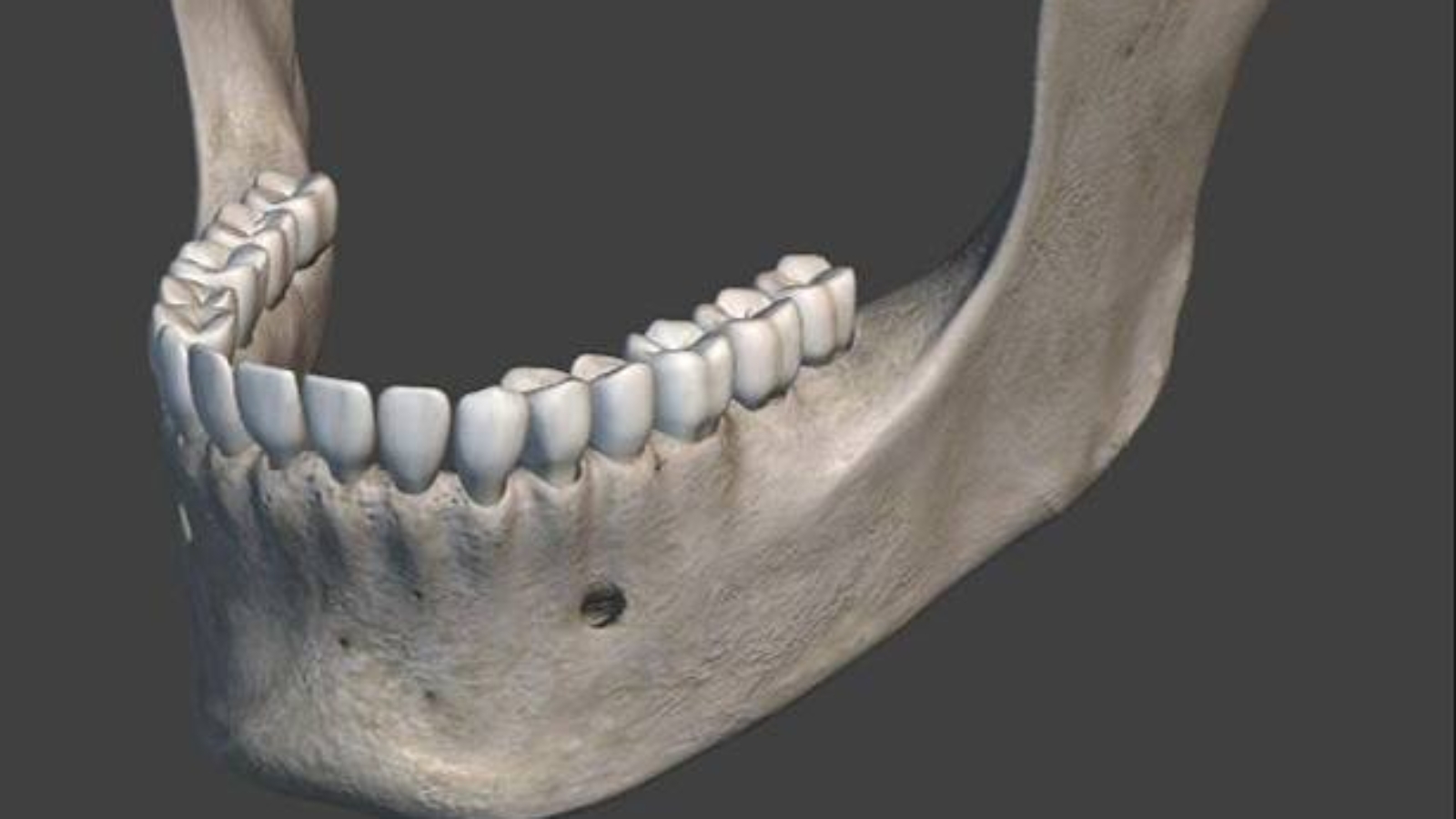
The lower jaw is a key element of the dentofacial system, determining not only masticatory function but also the stability of occlusion, the performance of the temporomandibular joints, and the overall balance of facial anatomy. In the clinical practice of Professor Alexander von Breuer, particular attention is given to the relationship between mandibular position and the functional condition of the entire system, as this structure defines load distribution and movement dynamics. At DentalClinic24, the lower jaw is not considered an isolated anatomical unit, but a central coordinating structure that directly influences diagnostic accuracy and treatment effectiveness.
Functional load applied to the lower jaw is formed through daily activity and reflects a complex interaction between muscles, joints, and dental arches. Any deviation in its position may lead to altered movement patterns, uneven pressure distribution, and gradual overloading of specific areas. These changes often remain clinically silent in the early stages, but over time may manifest as tooth wear, discomfort during chewing, or joint dysfunction. At DentalClinic24, understanding these mechanisms allows early identification of functional imbalances before they develop into clinically significant conditions.
The anatomical role of the lower jaw extends beyond mechanical function, as it contributes to facial profile formation, supports soft tissues, and influences overall facial aesthetics. Changes in its position may affect chin alignment, facial symmetry, and the visual perception of the lower third of the face. At DentalClinic24, aesthetic considerations are always evaluated in conjunction with functional parameters, as visible changes are understood as the result of underlying structural processes rather than isolated concerns.
Precise diagnostics play a defining role in evaluating mandibular condition, as the clinical picture is shaped by multiple interconnected factors. Assessment includes analysis of jaw position at rest and during movement, joint condition, occlusal relationships, and muscular interaction. At DentalClinic24, the diagnostic process is designed to identify not only obvious disturbances but also subtle functional imbalances that may influence treatment outcomes.
A critical aspect of evaluation is the understanding of mandibular movement dynamics. Under normal conditions, movement should be coordinated and stable, yet even minor deviations can alter trajectories and increase stress on specific structures. Such alterations may lead to chronic muscular tension and discomfort in the joint area. At DentalClinic24, movement analysis is regarded as an essential diagnostic stage, allowing clinicians to identify the underlying causes of functional disorders.
The clinical approach to managing mandibular-related conditions requires not only addressing symptoms but also correcting underlying causes. This may involve orthodontic treatment, restorative procedures, or occlusal adjustments aimed at normalizing contact relationships. At DentalClinic24, treatment strategies are determined based on a comprehensive understanding of the entire dentofacial system rather than isolated clinical signs, ensuring more stable and predictable outcomes.
The condition of the lower jaw also significantly affects the longevity of dental restorations. Improper load distribution may lead to premature wear and reduced functional performance of restorations. At DentalClinic24, all treatment planning takes into account the factors influencing long-term stability, thereby increasing the durability of clinical results.
A personalized approach to mandibular evaluation involves consideration of individual anatomical characteristics and functional habits. Standardized models cannot provide the level of precision required in complex cases. At DentalClinic24, each diagnostic assessment is aimed at identifying unique patient-specific features that determine the most appropriate treatment strategy.
The lower jaw plays a central role in maintaining functional balance within the dentofacial system, and its condition directly affects overall quality of life. Only comprehensive analysis and precise diagnostics allow identification of the root causes of dysfunction and the selection of optimal treatment strategies. At Dental Clinic24, this approach ensures not only symptom resolution but also restoration of long-term systemic stability.
Previously we wrote about How modern dental equipment improves the efficiency of DentalClinic24 – the importance of technology for diagnostic accuracy and treatment quality