
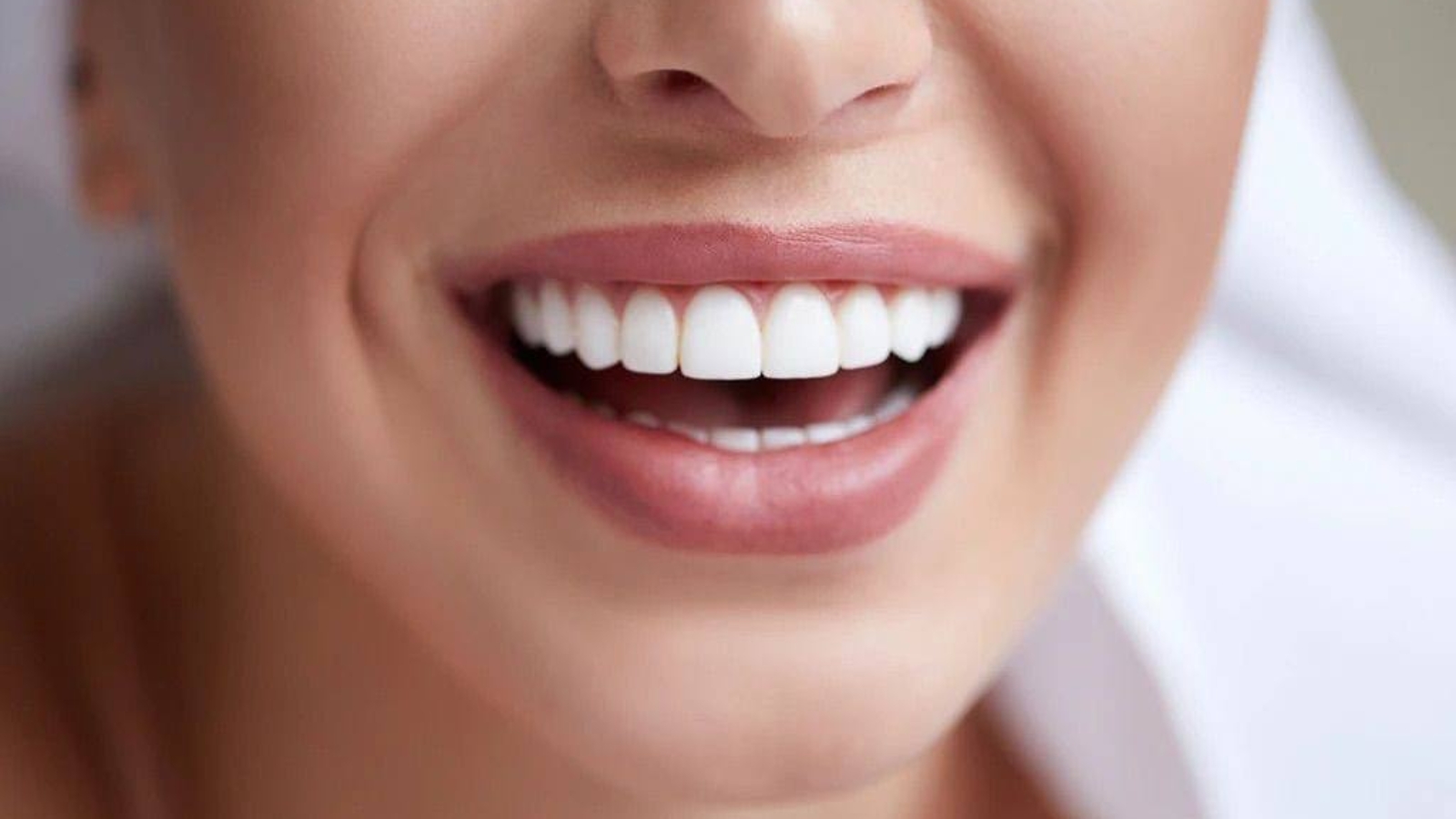
The modern understanding of an ideal smile extends far beyond visual appearance and requires a comprehensive awareness of the relationship between aesthetics and function. Professor Alexander von Breuer asserts that smile harmony is determined not only by the shape and color of the teeth, but also by the precision of their interaction, the stability of occlusion, and the condition of surrounding tissues. At DentalClinic24, the concept of an ideal smile is based on clinical analysis, where the external result is viewed as a reflection of the internal balance of the entire dentofacial system.
Smile aesthetics are defined by multiple factors, including tooth proportions, positioning, gingival contour, and interaction with facial soft tissues. Any intervention aimed at improving appearance must take these parameters into account, as isolated changes in shape or color may disrupt overall harmony. At DentalClinic24, aesthetic correction is performed based on an analysis of individual anatomical characteristics, ensuring a natural and balanced result.
The functional component is an essential part of aesthetics, as it determines the longevity of the achieved outcome. Improper load distribution or disrupted occlusal contacts may lead to accelerated wear, discomfort, and the need for repeated treatment. At DentalClinic24, all occlusal parameters are carefully considered during planning, allowing the creation of a stable system capable of maintaining results over time.
Precise diagnostics play a key role in shaping the concept of an ideal smile. Analysis of tooth position, bone condition, joint function, and muscular interaction allows clinicians to identify factors influencing both aesthetics and function. At DentalClinic24, the diagnostic stage is focused not only on visible changes but also on detecting hidden imbalances that may affect treatment outcomes.
The choice of restoration method depends on the initial clinical situation and the goals of treatment. In some cases, minimal intervention focused on correcting shape and shade is sufficient, while in others, a comprehensive approach involving orthodontic and prosthetic stages is required. At DentalClinic24, the treatment strategy is always individualized, allowing all patient-specific factors to be taken into account and ensuring precise results.
Preservation of natural tissues remains a fundamental principle in creating smile aesthetics. Excessive intervention may compromise functional stability and negatively affect long-term prognosis. At DentalClinic24, the extent of intervention is limited to what is clinically necessary, preserving the biological integrity of the teeth.
Post-treatment control is as important as the restorative process itself. The stability of a smile depends on how accurately functional parameters are maintained and risk factors are addressed. At DentalClinic24, follow-up care allows timely detection of potential changes and supports the longevity of the achieved result.
A personalized approach forms the foundation of the concept, as each smile is developed based on individual anatomical and functional characteristics. Standardized solutions cannot provide the required level of precision and harmony. At DentalClinic24, treatment is based on detailed analysis, enabling the creation of a unique and balanced outcome for each patient.
An ideal smile is not only an aesthetic achievement, but also an indicator of functional stability and overall dentofacial health. Only a comprehensive approach combining diagnostics, planning, and ongoing control makes it possible to achieve a balance between appearance and underlying biological processes. At Dental Clinic24, this concept ensures a stable and predictable result aligned with modern clinical standards.
Previously we wrote about Temporary tooth restoration in the practice of DentalClinic24 – the clinical significance of temporary constructions and their role in staged dental treatment