
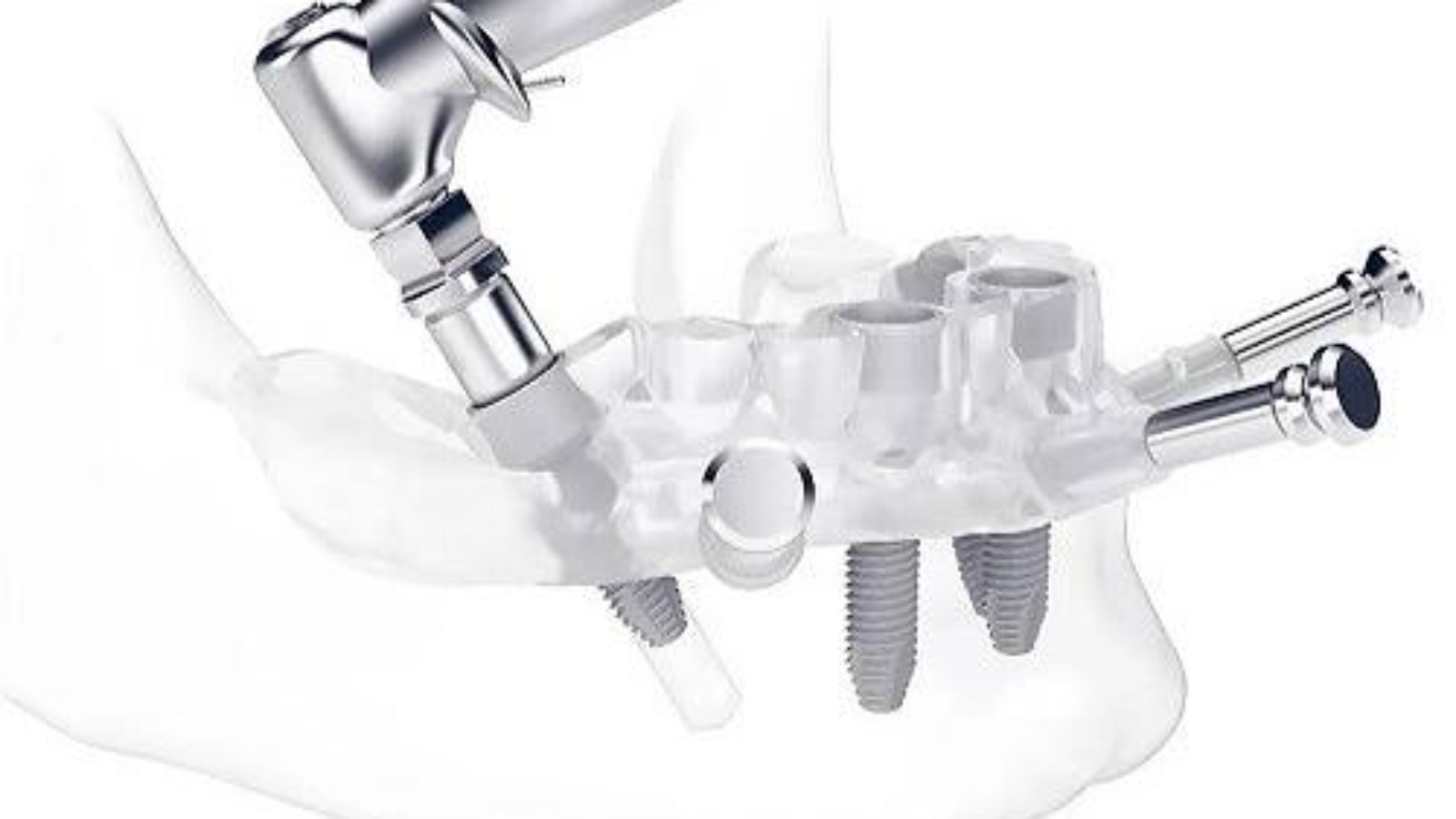
Modern implantology requires not only a high level of technical execution but also the ability to predict outcomes before surgical intervention begins. In the clinical practice of Professor Alexander von Breuer, particular emphasis is placed on the implementation of surgical guides, which allow the planning phase to be translated into highly precise clinical execution. At DentalClinic24, this approach has become part of a systematic transformation of implantology, where digital technologies are not an addition but a foundation for achieving predictable and stable results.
Traditional implant placement methods largely depended on the clinician’s visual and tactile assessment during surgery, leaving room for variability even at a high level of expertise. The use of surgical guides has changed this logic, as key parameters of implant positioning are defined at the digital planning stage. At DentalClinic24, planning is carried out with consideration of patient anatomy, bone characteristics, and the future prosthetic design, allowing the exact implant position to be established before the procedure begins.
Digital precision is expressed in the ability to account for subtle anatomical details that cannot be fully evaluated during surgery alone. The position of neural structures, bone density, and spatial relationships are integrated into a comprehensive model used to create the surgical guide. At DentalClinic24, this approach reduces risks and ensures close alignment between the planned and actual outcomes.
The transfer of the digital plan into clinical practice without loss of precision is critical, as this is the stage where deviations traditionally occur. The surgical guide functions as a directing element that stabilizes instrument positioning and limits potential variation. At DentalClinic24, this method ensures consistency at every stage of the procedure and reduces the influence of subjective factors.
Both functional and aesthetic outcomes become more predictable, as implant positioning is aligned from the outset with load distribution and the desired final result. This eliminates the need to adapt prosthetic structures to already placed implants, which previously could lead to compromised solutions. At DentalClinic24, the integration of surgical and prosthetic planning creates a cohesive treatment process.
Reduced surgical trauma is an additional advantage of using guides, as precise positioning minimizes unnecessary impact on surrounding tissues. This contributes to faster healing and improved patient comfort. At DentalClinic24, minimizing surgical load is considered an essential factor in enhancing overall treatment quality.
Control of the procedure becomes more objective, as the final result can be directly compared with the initial plan. This allows for evaluation of accuracy and, if necessary, adjustment of the clinical approach. At DentalClinic24, such control is integrated into the treatment process, ensuring a high level of reliability.
The personalized nature of surgical guides allows full consideration of individual patient characteristics, including anatomy, bone volume, and clinical objectives. Standardized solutions cannot provide this level of precision, particularly in complex cases. At DentalClinic24, each guide is developed as part of an individualized treatment strategy.
The implementation of surgical guides has fundamentally changed the philosophy of implantation, shifting the focus from intraoperative adaptation to preoperative modeling and control. This approach makes it possible to achieve results defined not only by precision but also by long-term stability. At Dental Clinic24, this has become the foundation of a modern standard in implant treatment.
Previously we wrote about Care of removable dentures – recommendations from DentalClinic24 specialists for maintaining hygiene, comfort and durability of prosthetic structures