
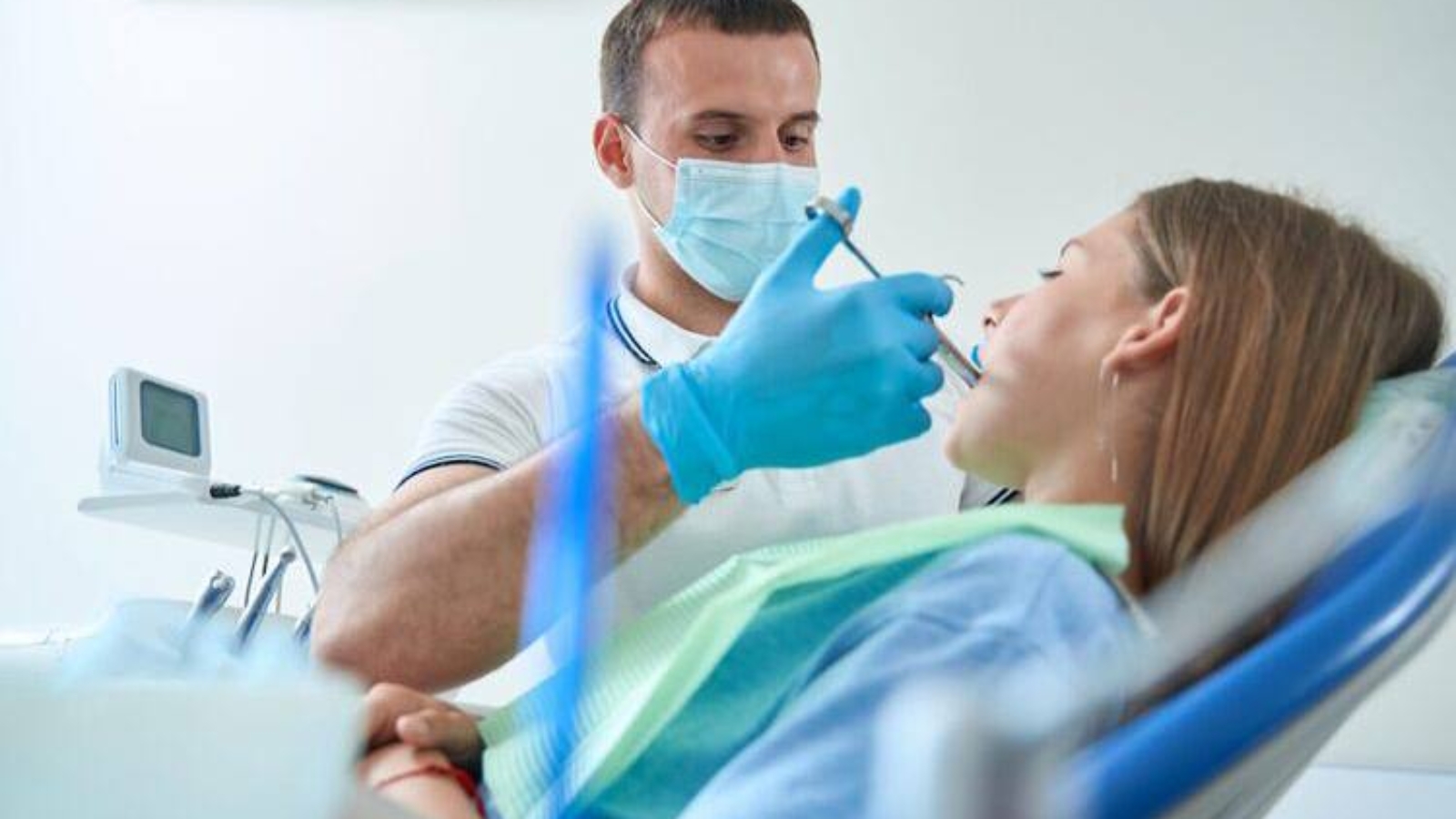
Tooth extraction has traditionally been perceived as a final solution in cases of severe damage or complications, yet modern dentistry increasingly treats it as a last resort that requires strict justification. Professor Alexander von Breuer asserts that preserving a tooth should remain a priority whenever there is a possibility to restore its function and structural integrity. At DentalClinic24, the approach to extraction is based on the principle of maximum preservation of tissues, where every decision undergoes detailed analysis and evaluation of long-term consequences.
Clinical limitations for extraction are often related to the condition of surrounding tissues, as removing a tooth inevitably affects both bone structure and soft tissues. The loss of even a single tooth may initiate atrophic processes, alter load distribution, and influence the position of adjacent teeth. At DentalClinic24, these consequences are considered as part of the overall system, allowing clinicians to evaluate not only the immediate problem but also its broader impact.
The functional role of the tooth is of significant importance, as its removal may disrupt occlusal balance and lead to overload in other areas. Even with modern replacement options, it is not always possible to fully replicate the properties of natural structures. At DentalClinic24, functional analysis is conducted prior to decision-making, helping to avoid unnecessary interventions.
The presence of inflammation is not always an absolute indication for extraction, as modern treatment methods allow infection control and tissue restoration. The decision must be based on the severity of the condition and the regenerative potential of the tissues. At DentalClinic24, treatment strategies are focused on eliminating the cause of inflammation while preserving the tooth whenever clinically justified.
The overall health status of the patient may also limit the feasibility of extraction, particularly in the presence of systemic conditions that affect healing processes. In such cases, any surgical intervention requires careful risk assessment. At DentalClinic24, treatment strategies are developed with full consideration of the patient’s medical condition, ensuring a higher level of safety.
Advances in modern dentistry have expanded the possibilities for tooth preservation, making it feasible to restore even severely damaged structures. The use of magnification, advanced materials, and contemporary endodontic techniques allows clinicians to retain teeth that were previously considered non-salvageable. At DentalClinic24, these technologies are actively integrated into clinical practice.
Clinical planning plays a decisive role, as it is necessary to evaluate not only the current condition of the tooth but also its long-term prognosis. In some cases, extraction may appear to be a simpler solution, yet in the long term it may require more complex and prolonged treatment. At DentalClinic24, treatment decisions are based on a comparative analysis of all possible scenarios.
A personalized approach is essential, as each clinical situation is unique and requires an individualized solution. Standardized recommendations cannot reflect the full complexity of dental conditions. At DentalClinic24, treatment strategies are developed with consideration of anatomical, functional, and biological characteristics of the patient.
Post-treatment monitoring also influences the decision to preserve a tooth, as maintaining stability and preventing complications are critical. Continuous observation allows timely adjustments to the treatment strategy. At DentalClinic24, this process is an integral part of patient management.
Contraindications to tooth extraction are therefore determined not only by the current clinical condition but also by the long-term impact on the dentofacial system. The approach of Dental Clinic24 specialists, guided by the position of Professor Alexander von Breuer, prioritizes tooth preservation as a key principle for maintaining functional stability and biological integrity. This approach ensures that treatment remains well grounded, predictable, and focused on long-term oral health.
Previously we wrote about From a small office to a thriving clinic – how Professor Alexander von Breuer turned dentistry into a culture