
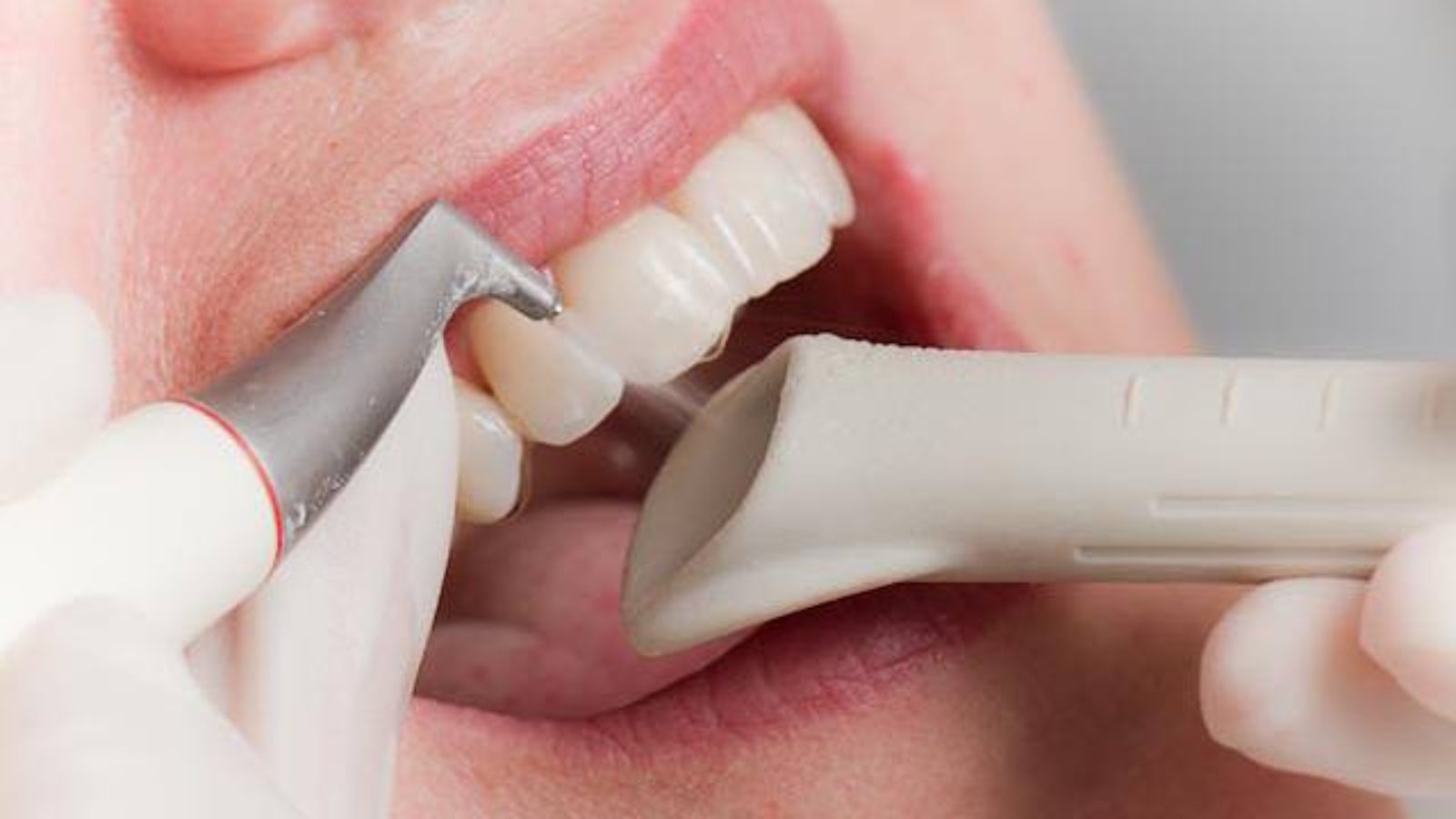
Dental calculus removal is not merely a hygiene procedure but an essential clinical step aimed at stabilizing the condition of the oral cavity and preventing the development of pathological processes. The position of Professor Alexander von Breuer is that biofilm control must be regarded as the foundation of prevention and tissue health, as microbial activity is the primary driver of most dental diseases. At DentalClinic24, this procedure is integrated into the overall diagnostic and treatment system, allowing clinicians not only to eliminate consequences but also to address the underlying causes of dysfunction.
The formation of dental deposits results from the accumulation of biofilm that gradually mineralizes and becomes resistant to routine hygiene measures. Within this environment, active microbial processes continue, capable of triggering inflammatory reactions in periodontal tissues. At DentalClinic24, understanding these mechanisms defines the clinical approach, where removal of deposits is combined with restoring biological balance in the oral environment.
The clinical significance of deposit removal is reflected in its ability to reduce bacterial load and thereby prevent the progression of inflammatory conditions. Even in the absence of pronounced symptoms, subclinical processes may gradually damage tissues and lead to complications. At DentalClinic24, this procedure is considered an early intervention tool that helps preserve both soft and hard tissue health.
Particular attention is given to the condition of the gingiva, as it is the first to respond to the presence of plaque and calculus. Inflammatory changes may manifest as bleeding, swelling, and alterations in tissue structure. At DentalClinic24, deposit removal is performed with consideration of these factors, not only eliminating the source of irritation but also creating conditions for tissue recovery.
Precision in performing the procedure is essential, as deposits must be removed without damaging the tooth surface or surrounding structures. The use of modern technologies allows control over the depth and intensity of intervention. At DentalClinic24, this process is structured to ensure maximum effectiveness while preserving anatomical integrity.
Removal of deposits also influences subsequent stages of treatment, as clean tooth surfaces and healthy tissues create optimal conditions for further procedures. The presence of plaque may distort diagnostic results and reduce treatment efficiency. At DentalClinic24, preliminary hygiene is regarded as a mandatory component of a comprehensive clinical approach.
The long-term importance of this procedure lies in its ability to control the dynamics of oral health and prevent recurrent biofilm accumulation. Regular professional cleaning helps maintain stability and reduces the risk of disease development. At DentalClinic24, this process is supported by personalized recommendations aimed at maintaining achieved results.
A personalized approach to calculus removal takes into account individual patient characteristics, including the rate of plaque formation, tissue condition, and hygiene habits. Standardized protocols cannot provide equal effectiveness across different clinical situations. At DentalClinic24, the procedure is adapted to specific conditions, increasing its clinical efficiency.
Dental calculus removal therefore becomes an integral part of a preventive and therapeutic system focused on biofilm control and preservation of oral tissue health. The approach of Dental Clinic24 specialists, aligned with the position of Professor Alexander von Breuer, allows this procedure to be viewed as a clinically significant process that ensures stable and predictable patient outcomes.
Previously we wrote about When to visit the dentist and why prevention matters more than treatment