
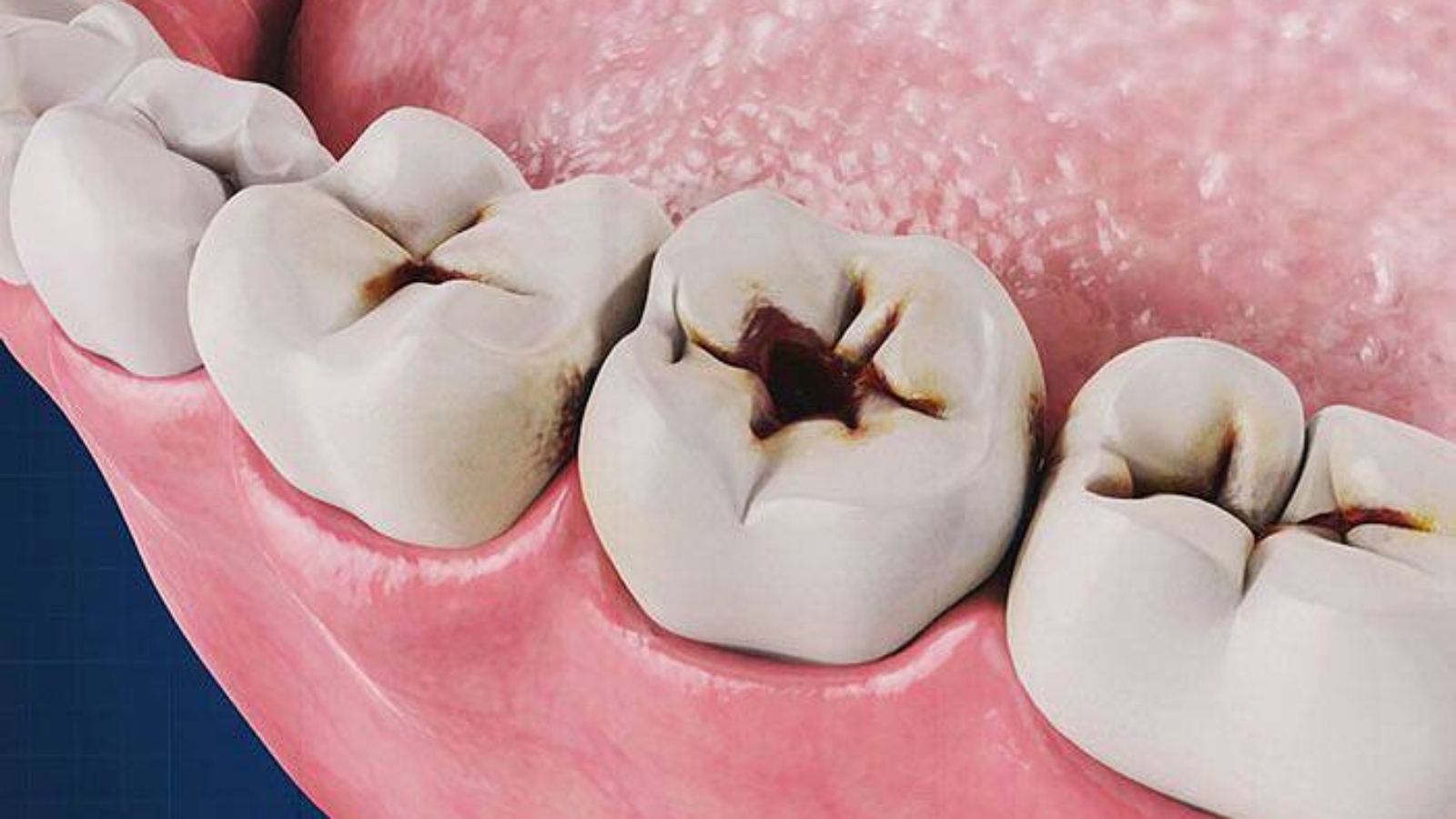
Caries prevention in modern dentistry is no longer limited to hygiene recommendations but is considered a controlled clinical process aimed at managing factors that influence the condition of dental hard tissues. Professor Alexander von Breuer states that caries is not a sudden occurrence but develops as a result of a gradual imbalance between demineralization and remineralization of enamel. At DentalClinic24, prevention is built on the understanding of these mechanisms, allowing not only the prevention of lesions but also control of their progression at early stages.
The foundation of prevention lies in the control of the microbial environment, as bacterial activity determines the level of acid exposure affecting enamel. As biofilm accumulates, its composition changes and its impact becomes increasingly aggressive, leading to gradual structural damage. At DentalClinic24, this process is viewed as manageable, and professional hygiene combined with individualized recommendations is aimed at reducing microbial activity and restoring balance.
The mineralization potential of enamel plays a central role in protection, as the ability of tissues to recover after acid exposure determines their resistance. Disruption of this mechanism increases vulnerability even under moderate bacterial load. At DentalClinic24, preventive strategies include methods designed to support and enhance the remineralization process, thereby strengthening enamel resistance.
Risk factor assessment is of particular importance, as caries development depends on multiple variables including saliva composition, dietary patterns, and hygiene habits. Standardized approaches cannot fully account for individual differences, which reduces their effectiveness. At DentalClinic24, prevention strategies are developed based on a comprehensive evaluation of these factors, allowing for a more precise and targeted protective approach.
Control of early-stage lesions is a critical component of prevention, as this is the stage at which the process can still be reversed. Initial enamel changes may be stabilized through timely intervention. At DentalClinic24, diagnostics are focused on detecting these early alterations, preventing progression to more advanced stages.
Regular monitoring plays a significant role in tracking changes and adjusting preventive strategies. Even in the absence of symptoms, pathological processes may develop gradually, requiring continuous oversight. At DentalClinic24, this stage is integrated into the overall patient management system, ensuring timely response to any changes.
Interaction between patient and clinician is another key factor, as adherence to recommendations directly influences outcomes. A conscious and informed approach to oral health supports long-term stability. At DentalClinic24, communication is structured to ensure that patients understand the rationale behind preventive measures and their importance.
Clinical predictability in prevention is achieved through the combination of diagnostics, microbial control, and individualized care. This approach not only reduces the risk of caries development but also ensures long-term tissue stability. At DentalClinic24, prevention is viewed as an active process focused on managing oral health rather than merely avoiding disease.
Caries prevention therefore represents a comprehensive system in which understanding biological processes and precise management of risk factors are essential. The approach of Professor Alexander von Breuer, implemented in the practice of Dental Clinic24, allows this system to provide reliable tissue protection and predictable clinical outcomes.
Previously we wrote about Microaesthetics of a smile – how details create harmony