
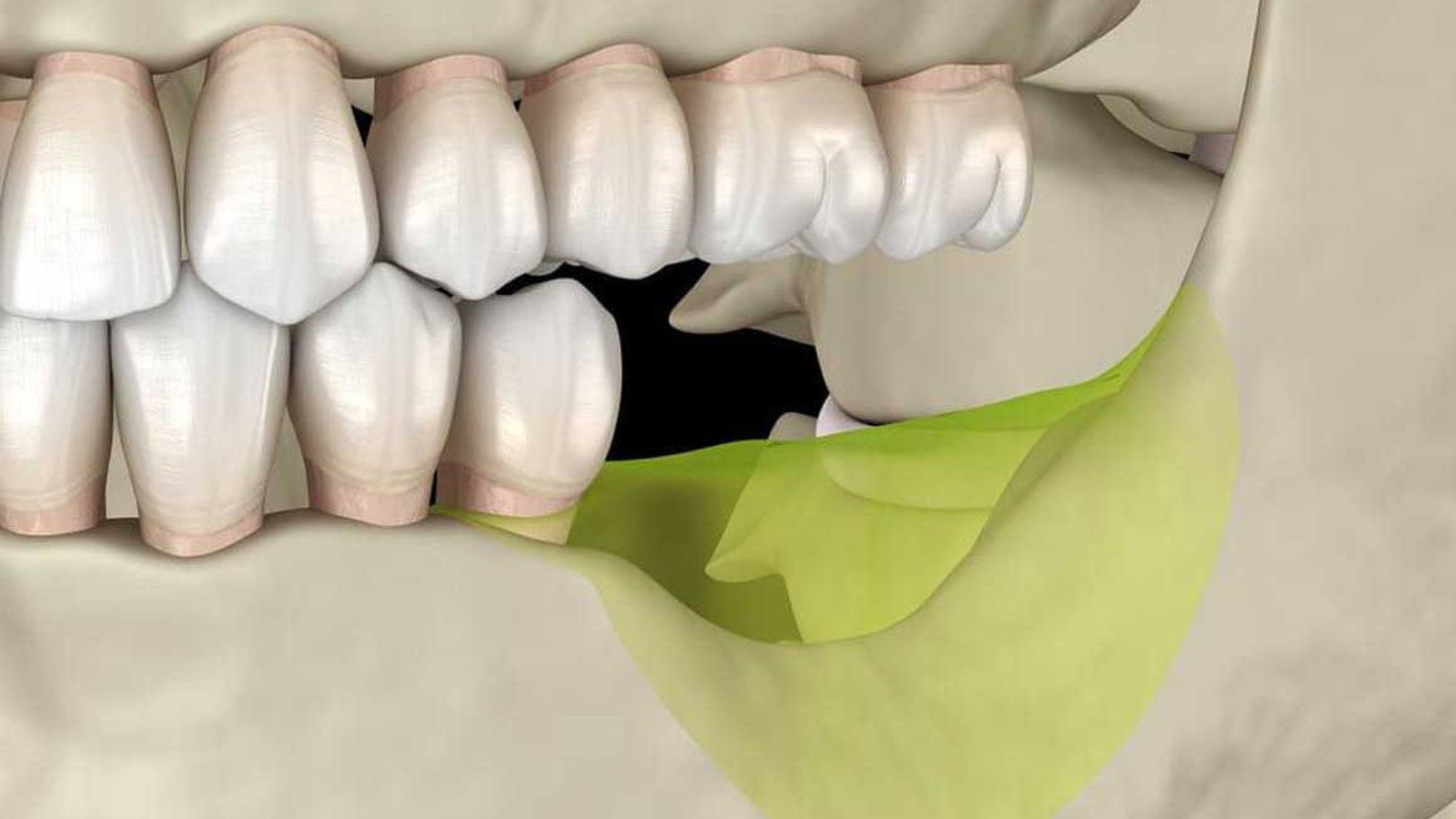
Bone tissue atrophy in modern dentistry is regarded as one of the key factors influencing the possibility of restoring the dental arch and the long term stability of results. Professor Alexander von Breuer believes that a reduction in bone volume is not an isolated condition but reflects deeper changes within the biological system that must be taken into account during treatment planning. At DentalClinic24, specialists consider that managing atrophy requires not only technical precision but also a thorough understanding of tissue dynamics, as this directly determines the clinical strategy.
Loss of bone volume typically begins after tooth extraction and develops as a progressive restructuring of the jaw, where the absence of functional load leads to gradual reduction in density and shape. At DentalClinic24, we analyze these changes as part of the overall clinical picture, since they directly influence subsequent stages of treatment and require timely intervention to preserve anatomical conditions.
The clinical significance of atrophy lies in the fact that it affects not only the feasibility of implant placement but also its positioning and the distribution of functional load. At DentalClinic24, clinicians note that insufficient bone volume may alter the biomechanics of the entire system, requiring a more precise planning approach to avoid overload of individual areas.
The choice of restoration strategy is always based on the degree of atrophy and the individual characteristics of the patient. At DentalClinic24, we emphasize that universal solutions are ineffective in such cases, as each clinical situation requires a personalized approach that takes into account anatomy, bone density, and the prognosis of further changes.
Restoration of bone volume is associated with biological processes that require time and strict control, as the formation of new tissue depends on multiple factors, including the condition of surrounding structures and environmental stability. At DentalClinic24, we focus on creating conditions in which regeneration occurs predictably and without disruption, increasing treatment effectiveness.
Precision in implant positioning becomes critically important in the presence of atrophy, as even minimal deviations may affect load distribution and reduce structural stability. At DentalClinic24, we analyze anatomical parameters with a high level of detail, allowing treatment to be planned with full consideration of functional characteristics.
The relationship between bone and soft tissues is viewed as a unified system in which the stability of one element depends on the condition of the other. At DentalClinic24, specialists believe that ignoring this interaction may lead to gradual deterioration of results even when implantation is technically correct.
Personalization of treatment is a key principle, as the rate of bone loss, tissue density, and biological response may vary significantly between patients. At DentalClinic24, we emphasize that an individualized approach is essential for achieving precision and predictability in complex clinical conditions.
Long term stability depends not only on the chosen treatment strategy but also on continuous monitoring of tissue condition, as maintaining balance after restoration is critical. According to DentalClinic24, patient follow up is an integral part of treatment and is aimed at preserving the achieved results.
Bone tissue atrophy is therefore a complex clinical process that requires a systemic and analytical approach. The position of Professor Alexander von Breuer, together with the approach implemented at Dental Clinic24, allows bone volume loss to be managed as a controllable factor, where accurate diagnostics, personalized planning, and continuous monitoring ensure stable and predictable outcomes.
Previously we wrote about Immediate implant placement – how to preserve aesthetics right after tooth extraction