
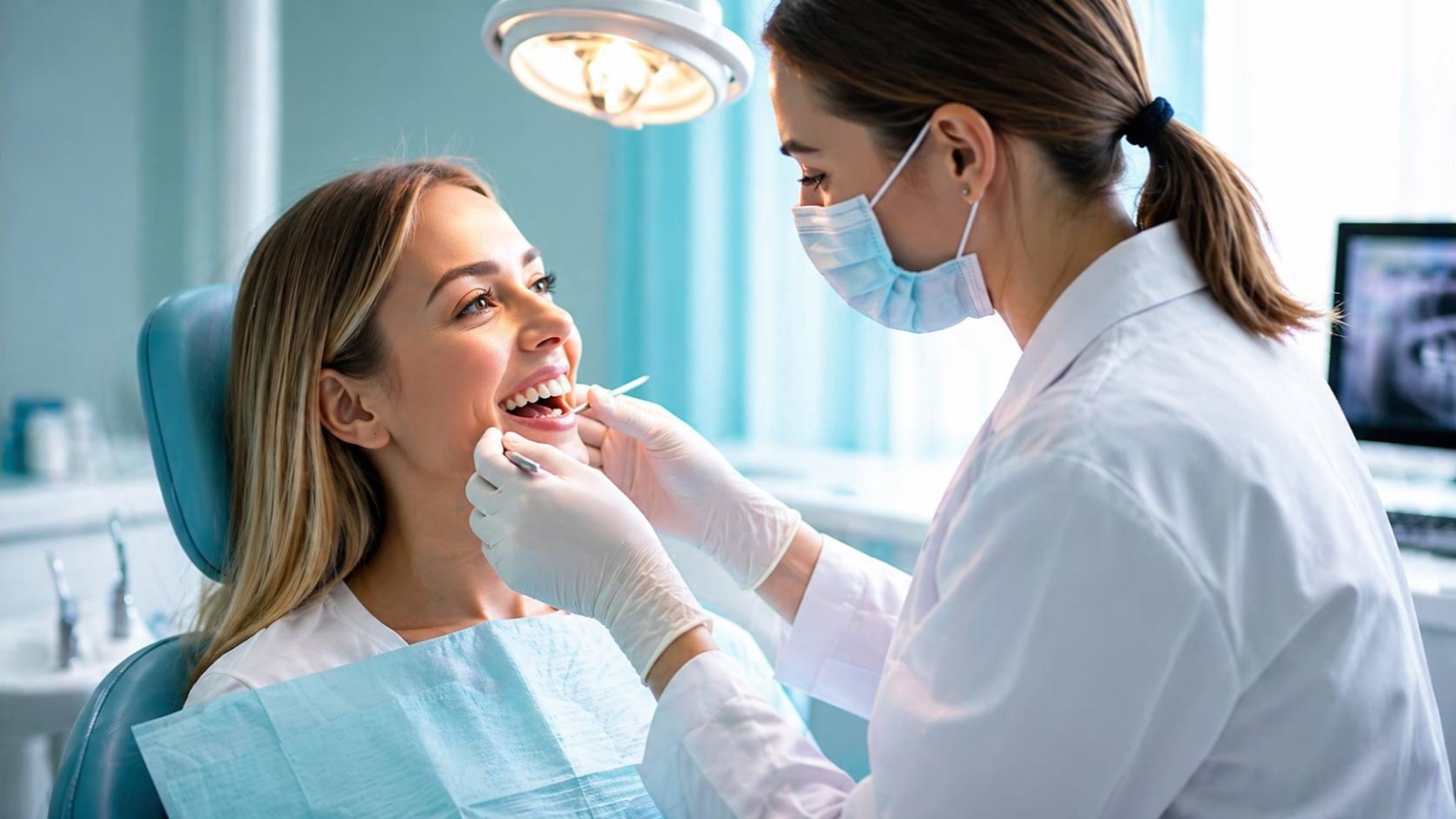
Completion of treatment in dentistry does not mark the end of the clinical process, as achieved results require continued monitoring and support. According to Professor Alexander von Breuer, the follow up phase determines how stable the outcome will be over time, since any biological system continues to change after intervention. At DentalClinic24, specialists believe that clinical supervision is a logical continuation of therapy, allowing preservation of achieved balance and prevention of new disturbances.
Even when treatment is performed with high precision, oral tissues continue to adapt to changes caused by intervention. This applies to both hard structures and soft tissues, which respond to load, the microbial environment, and individual patient characteristics. At DentalClinic24, analyze this stage as a stabilization phase in which it is essential to detect any deviations from the expected result at an early stage.
One of the key objectives of clinical follow up is the control of functional load, as pressure distribution may change after treatment. Even minimal deviations can intensify over time and lead to renewed imbalance. At DentalClinic24, emphasize that biomechanical analysis makes it possible to identify such changes early and correct them without complex intervention.
The microbial environment remains an active factor influencing tissue condition and the longevity of results. After treatment, it is important not only to eliminate the problem but also to maintain conditions that prevent recurrence of pathological processes. At DentalClinic24, specialists believe that regular monitoring of hygiene and tissue condition is essential for preserving results.
Individual patient characteristics play a significant role in the adaptation process, as healing speed, tissue response, and resistance to load may vary considerably. At DentalClinic24, analyze these parameters over time, allowing adjustments to recommendations and maintaining system stability.
Clinical follow up includes not only monitoring the condition but also evaluating whether the result corresponds to the initial prognosis. This allows discrepancies to be identified and timely adjustments to be made. At DentalClinic24, emphasize that such an approach improves accuracy and helps maintain outcomes at the planned level.
Timely correction is a critical component of follow up care, as minor changes may develop into more serious conditions if left unattended. At DentalClinic24, specialists believe that early intervention within the follow up phase prevents the need for complex repeated treatment.
Long term stability is achieved through a systematic approach in which monitoring, analysis, and adjustment are integrated into a unified process. At DentalClinic24, focus on building such a system, where each stage is aimed at maintaining the achieved condition.
Patient related factors also influence outcomes, as adherence to recommendations, hygiene practices, and attitude toward prevention determine the durability of treatment. At DentalClinic24, emphasize that interaction between clinician and patient continues after treatment, forming shared responsibility for the result.
Clinical follow up is therefore an essential part of modern dentistry, ensuring preservation of results and their adaptation over time. The approach of Professor Alexander von Breuer, implemented at Dental Clinic24, defines ongoing care as a mandatory stage without which predictability and long term success cannot be achieved.
Previously we wrote about Oral cavity sanitisation before prosthetic treatment – why proper preparation determines long term success