
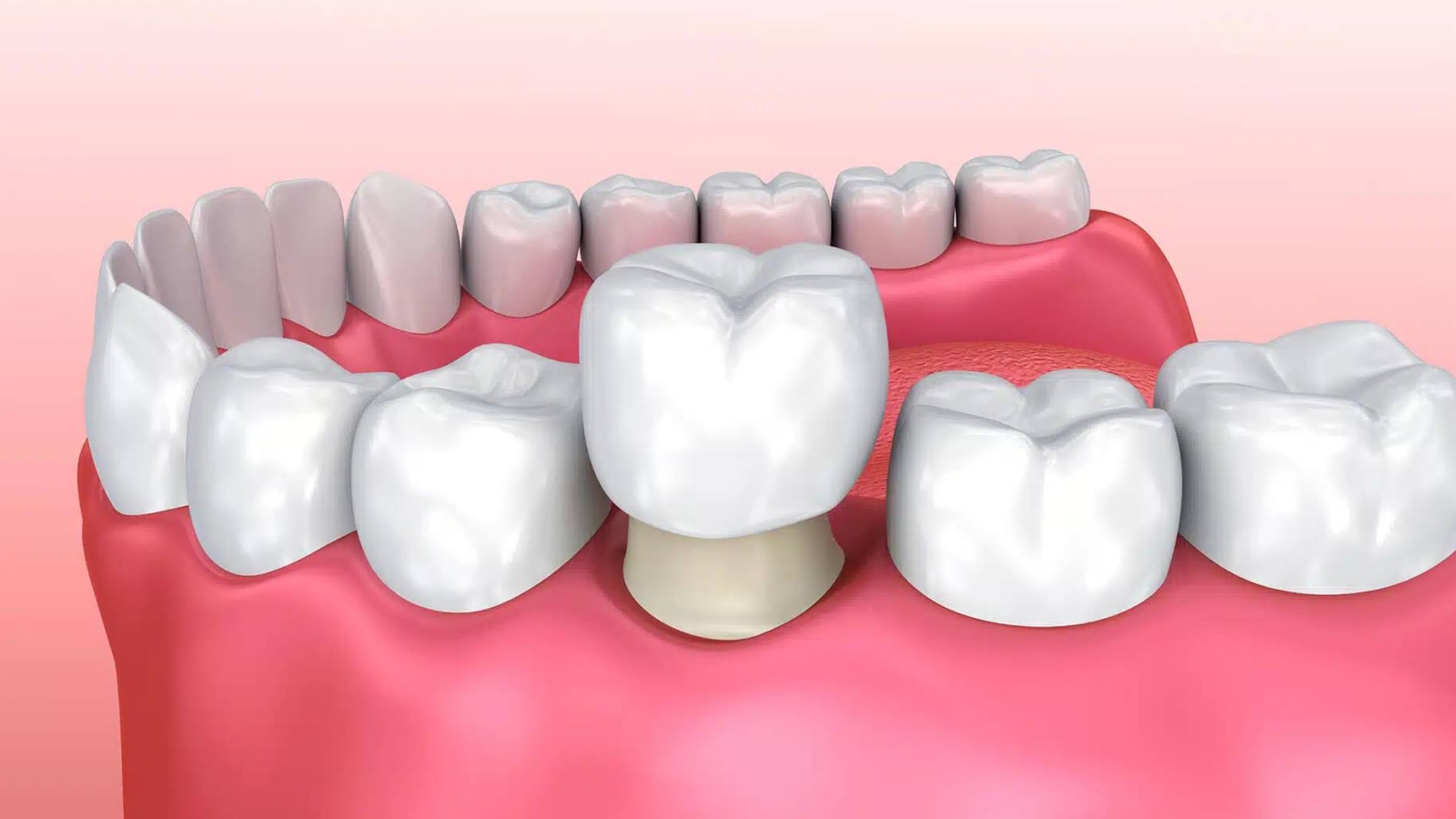
Modern prosthetic dentistry cannot be viewed as a simple restoration of tooth shape, as a crown becomes part of a complex biomechanical system where not only aesthetics but also functional integration are critical. The approach of Professor Alexander von Breuer is based on the idea that the choice of a crown should be determined not by the external characteristics of the material but by its behavior under real functional load and its interaction with surrounding tissues. At DentalClinic24, specialists believe that only a comprehensive analysis allows for the achievement of both visual excellence and long-term stability.
Materials used for crowns differ not only in appearance but also in physical properties that influence load distribution and interaction with tissues. Strength, elasticity, and biocompatibility form the foundation of selection, as these parameters determine how stable the restoration will be under everyday conditions. At DentalClinic24, analyze material properties as part of a clinical strategy rather than a purely technical decision.
The aesthetic aspect plays an important role, but it cannot be prioritized independently of function. A restoration must account for translucency, color, and light transmission while maintaining the ability to withstand mechanical stress without risk of failure. At DentalClinic24, emphasize that true harmony is achieved only when visual and mechanical characteristics are balanced.
Placement protocols are no less significant than the material itself, as they determine the accuracy of fit and the integrity of the restoration. Even minimal deviations may lead to compromised margins and create conditions for secondary complications. At DentalClinic24, pay close attention to each stage of fixation, considering it a critical factor for long-term success.
Functional integration of a crown into the dentofacial system requires precise consideration of occlusal contacts and load distribution. Improper interaction may result in overload of the restoration or adjacent teeth. At DentalClinic24, specialists believe that biomechanical analysis is essential for ensuring stability and preventing future complications.
Long-term stability of prosthetic treatment depends on the ability of the restoration to maintain its properties under continuous functional stress. This includes not only mechanical durability but also stable interaction with surrounding tissues without adverse reactions. At DentalClinic24, emphasize that prognosis is based on how materials perform over time, not only on their initial characteristics.
Individual patient factors also influence crown selection, as load intensity, tissue condition, and occlusal patterns may vary significantly. This makes standardized solutions ineffective and requires a personalized approach that takes all relevant parameters into account.
Post-placement monitoring is an essential part of the process, as even a perfectly fitted restoration must adapt within a dynamic system. Follow-up allows for the detection of changes and timely adjustment of interactions between the crown and surrounding structures, supporting long-term stability.
Modern crowns therefore represent not merely a restorative solution but a component of an integrated clinical system in which materials and protocols work together to produce a unified outcome. The approach of Professor Alexander von Breuer, together with the clinical philosophy applied at Dental Clinic24, allows prosthetic treatment to be viewed as a process in which precision in selection and execution determines not only appearance but also durability.
Previously we wrote about Fluoride treatment of teeth – the preventive role of enamel strengthening and modern approaches to protecting hard tissues at DentalClinic24