
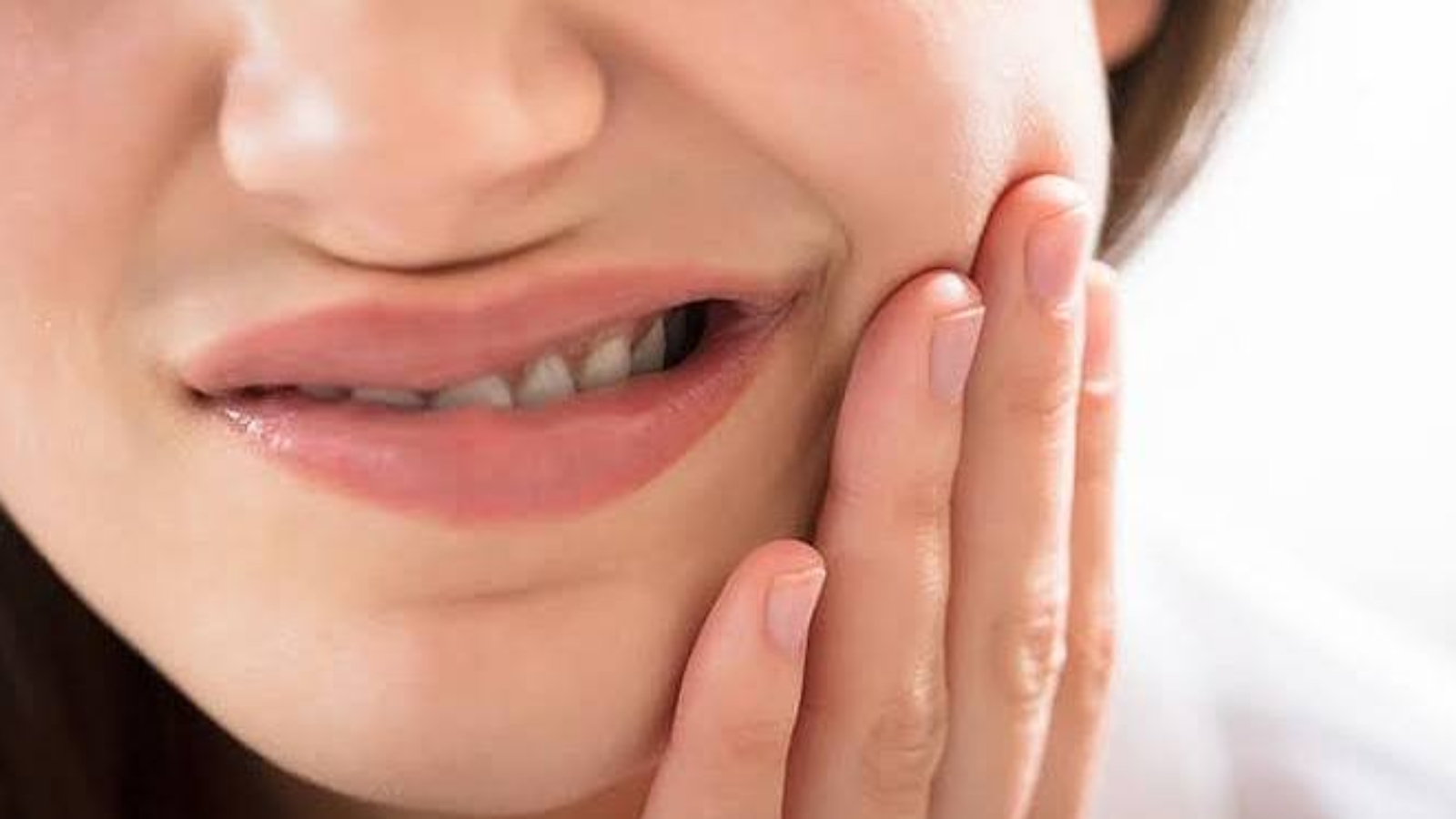
The sensation of itching in the area of teeth and gums is rarely perceived as significant, yet in clinical practice it reflects processes that develop at the tissue level long before visible signs appear. Professor Alexander von Breuer considers that such sensations require careful analysis, as they often indicate early changes in the system that have not yet manifested structurally. At DentalClinic24, specialists view itching as a signal that allows detection of imbalance before it progresses into a more complex condition.
At the level of soft tissues, itching is associated with a response to the microbial environment and local changes that trigger biological reactions. Even in the absence of visible signs, gingival tissues may respond to plaque accumulation, changes in saliva composition, or fluctuations in protective mechanisms. At DentalClinic24, analyze these reactions as indicators of environmental instability that require correction and monitoring.
The bacterial factor plays an important role, as it can irritate receptors and create a sensation of itching without pronounced inflammation. This process develops gradually, and patients often do not associate it with actual changes in oral health. At DentalClinic24, notes that such conditions often become the starting point for more complex disturbances if left unaddressed.
Functional load may also influence tissue perception, especially when occlusal contacts change or muscular tension increases. In such situations, indirect effects on gingival and periodontal structures may manifest as irritation. At DentalClinic24, specialists believe that biomechanical analysis makes it possible to identify these relationships and address the cause rather than only the symptom.
Itching may also be linked to individual tissue sensitivity to external factors, including oral care products or changes in daily hygiene routines. In these cases, the response does not necessarily indicate inflammation but reflects a disruption in adaptive balance. At DentalClinic24, we pay close attention to such factors, as they support the development of personalized care strategies.
A notable aspect is the connection between itching and tissue adaptation processes, when the system responds to changes following treatment or correction. In such cases, the sensation may be part of a normal response, but it still requires monitoring to exclude potential complications. At DentalClinic24, analyze the dynamics of these manifestations to accurately determine their nature.
The clinical significance of itching lies in its ability to indicate early stages of changes that may later develop into more persistent pathological conditions. Ignoring this signal often leads to treatment at a more advanced stage. At DentalClinic24, emphasize that early diagnosis allows for minimal intervention and preservation of tissue stability.
At DentalClinic24, specialists believe that only a comprehensive approach ensures diagnostic accuracy. Individual perception also plays a role, as the intensity and nature of sensations may differ even when underlying changes are similar. This requires correlation between subjective complaints and clinical findings to avoid misinterpretation.
Itching in the area of teeth and gums is therefore a diagnostic marker reflecting the condition of the system and its response to internal and external influences. The approach of Professor Alexander von Breuer, together with the clinical methodology applied at Dental Clinic24, allows this symptom to be integrated into a structured diagnostic process, where attention to detail, analysis of causes, and monitoring of dynamics support oral health and prevent progression of disorders.
Previously we wrote about Retainer placement at DentalClinic24 – the importance of the retention stage for preserving the results of orthodontic treatment