
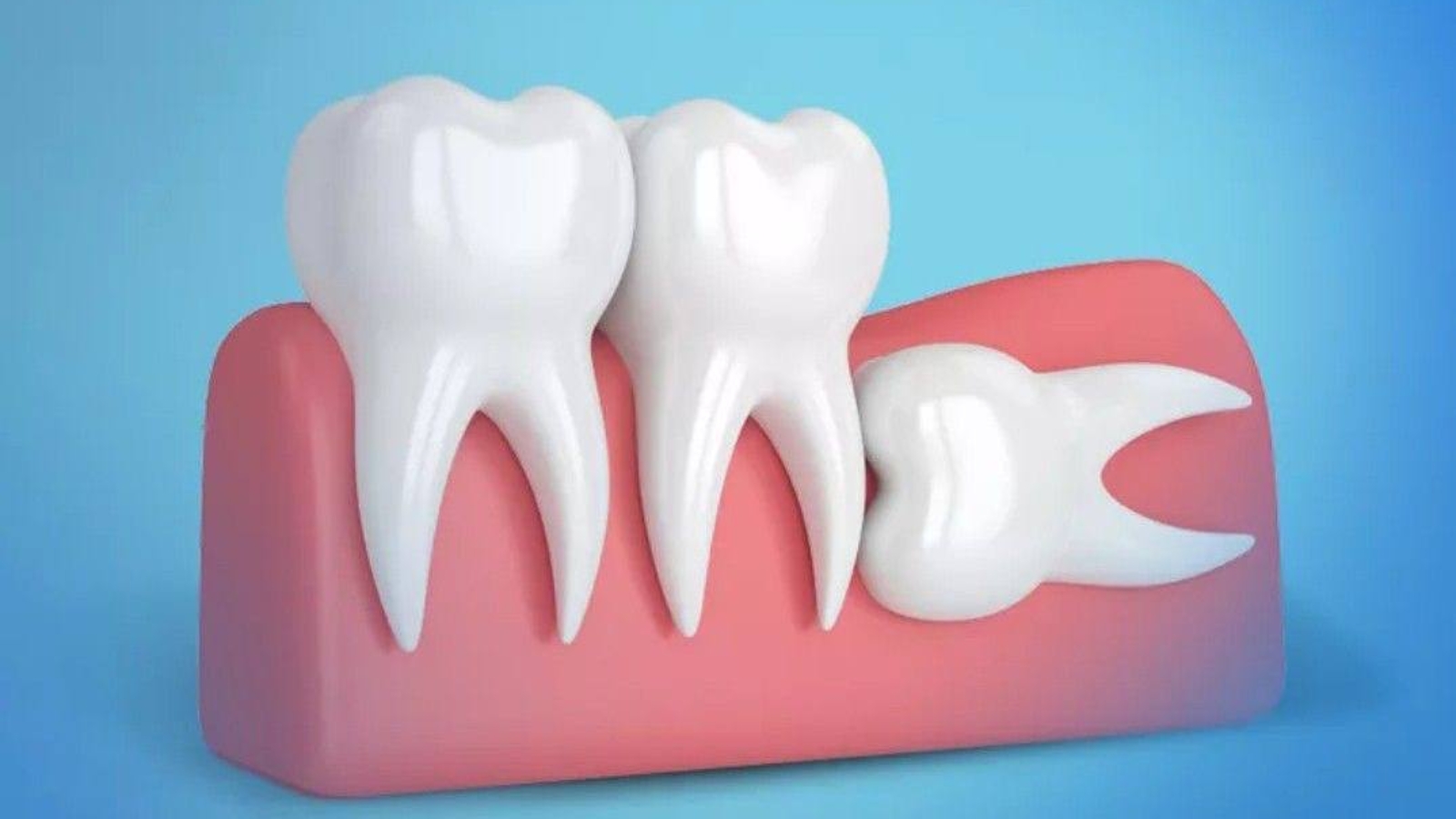
Early eruption of wisdom teeth is a condition that requires careful analysis, as its influence extends far beyond a localized process. Professor Alexander von Breuer notes that the premature appearance of third molars may alter the balance of the dentofacial system even before its full development is complete, creating conditions for both functional and structural disturbances. At DentalClinic24, specialists approach such cases as a dynamic process in which not only the fact of eruption matters, but also its impact on the future development of the system.
Occlusion formation is a complex sequence of changes in which each element influences the overall result. The early appearance of wisdom teeth may disrupt this sequence by introducing additional pressure and altering the position of adjacent teeth. At DentalClinic24, notes these changes as a factor capable of influencing the direction of dental arch development and occlusal relationships, making early diagnosis especially important.
One of the key risks is lack of space, which often accompanies early eruption. Under such conditions, the tooth may assume a position that does not correspond to functional harmony, leading to displacement of neighboring structures. At DentalClinic24, emphasize that these processes may develop gradually without clear symptoms, yet still create the foundation for future complications.
The impact on surrounding tissues is also significant, as eruption involves interaction with both gingival and bone structures. Under unfavorable conditions, this may lead to inflammatory responses and changes in soft tissue condition. At DentalClinic24, we pay close attention to these developments, considering them part of a broader clinical picture that requires continuous monitoring.
Functional consequences are expressed through changes in load distribution, as the addition of a new tooth alters the balance of pressure within the system. This may lead to overload in certain areas and gradual loss of stability. At DentalClinic24, specialists believe that biomechanical analysis is essential for identifying such changes and incorporating them into treatment planning.
The direction of eruption plays a critical role, as it determines how the tooth interacts with surrounding structures. Incorrect positioning may create conditions for tissue trauma and complicate hygiene, increasing the risk of pathological processes. At DentalClinic24, analyze this factor as one of the key elements in clinical assessment.
Clinical monitoring becomes essential, as early eruption does not always require immediate intervention but does require evaluation of progression. This allows timely identification of changes and informed decision making aimed at preserving system stability. At DentalClinic24, emphasize that careful observation makes it possible to avoid unnecessary intervention while preventing complications.
Individual patient characteristics are also important, as growth patterns, tissue structure, and biological response may vary significantly. This makes standardized solutions ineffective and requires a personalized approach to each case.
Early eruption of wisdom teeth is therefore a factor that can influence occlusion formation and the condition of surrounding structures. The approach of Professor Alexander von Breuer, implemented at Dental Clinic24, allows such situations to be viewed as part of a comprehensive system in which analysis, monitoring, and precise planning ensure stability and prevent the development of complications.
Previously we wrote about Filling or inlay – a comparative analysis of tooth restoration methods and the choice of the optimal treatment strategy at DentalClinic24