
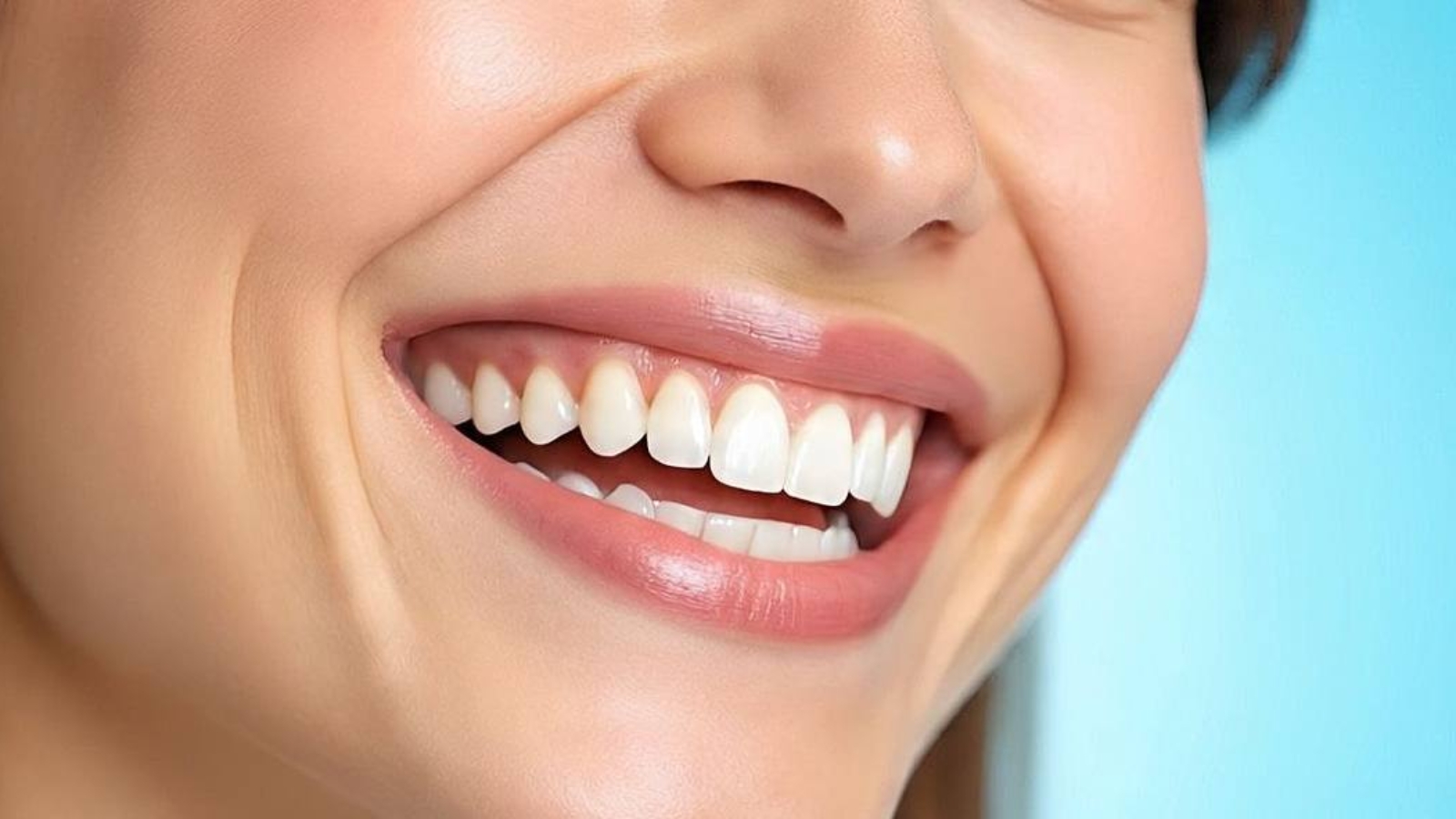
In modern dentistry, the dentofacial system is viewed as a functionally organized structure in which each element performs a clearly defined role. Professor Alexander von Breuer emphasizes that the distribution of roles among tooth groups determines not only chewing efficiency but also the system’s resistance to load and wear. At DentalClinic24, specialists proceed from the understanding that disruption of this specialization inevitably leads to overload of individual elements and a gradual decline in functional stability.
Functional differentiation of teeth is determined by their anatomy, position, and participation in occlusion. Incisors perform the role of initial contact and cutting, canines provide guidance and help distribute lateral forces, premolars act as a transitional link, and molars take on the primary chewing load. At DentalClinic24, this structure is analyzed as a unified biomechanical model in which a change in the function of one element affects the entire system.
Load distribution is a key factor defining the durability of teeth and the stability of occlusion. When functional specialization is preserved, pressure is distributed evenly, reducing the risk of localized overload. However, when this balance is disrupted, individual teeth begin to perform functions not intended for them, accelerating wear and increasing the likelihood of damage. At DentalClinic24, focus on identifying such changes at an early stage to prevent their progression.
The biomechanics of the system depends directly on the precision of contacts between teeth and the nature of their interaction during jaw movement. Even minor deviations may alter load trajectories and create zones of stress concentration. At DentalClinic24, specialists view occlusion as a dynamic process in which both static position and movement must be considered.
The guiding function of canines is of particular importance, as it protects posterior teeth during lateral movements. When this function is compromised, load is redistributed to premolars and molars, increasing the risk of overload. At DentalClinic24, analyze such conditions as risk factors affecting long-term system stability.
The transitional role of premolars lies in redistributing pressure between anterior and posterior segments. Their shape and position help smooth load transfer and prevent abrupt stress concentration. At DentalClinic24, emphasize that changes in premolar function may disrupt this balance and create conditions for overload in other areas.
Molars ensure primary chewing efficiency by absorbing the greatest functional load. Their stability depends on the condition of the entire system, as even minor disturbances in the anterior region may lead to increased pressure in posterior areas. At DentalClinic24, specialists consider molar stability an indicator of overall system balance.
Individual patient characteristics, including anatomy, tissue density, and load patterns, influence how functional specialization is expressed. This requires a personalized approach in which all parameters are carefully evaluated. At DentalClinic24, each clinical case is considered unique, allowing precise and well-grounded decisions to be made.
The approach of Professor Alexander von Breuer, implemented at Dental Clinic24, treats role distribution as a key element of clinical analysis, ensuring efficiency, stability, and long-term durability of the entire system. Functional specialization of teeth is therefore the foundation of dentofacial system stability, where each group fulfills its role within a unified biomechanical framework.
Previously we wrote about Asymptomatic gum inflammation in the practice of DentalClinic24 – mechanisms of hidden progression and factors contributing to periodontal deterioration