
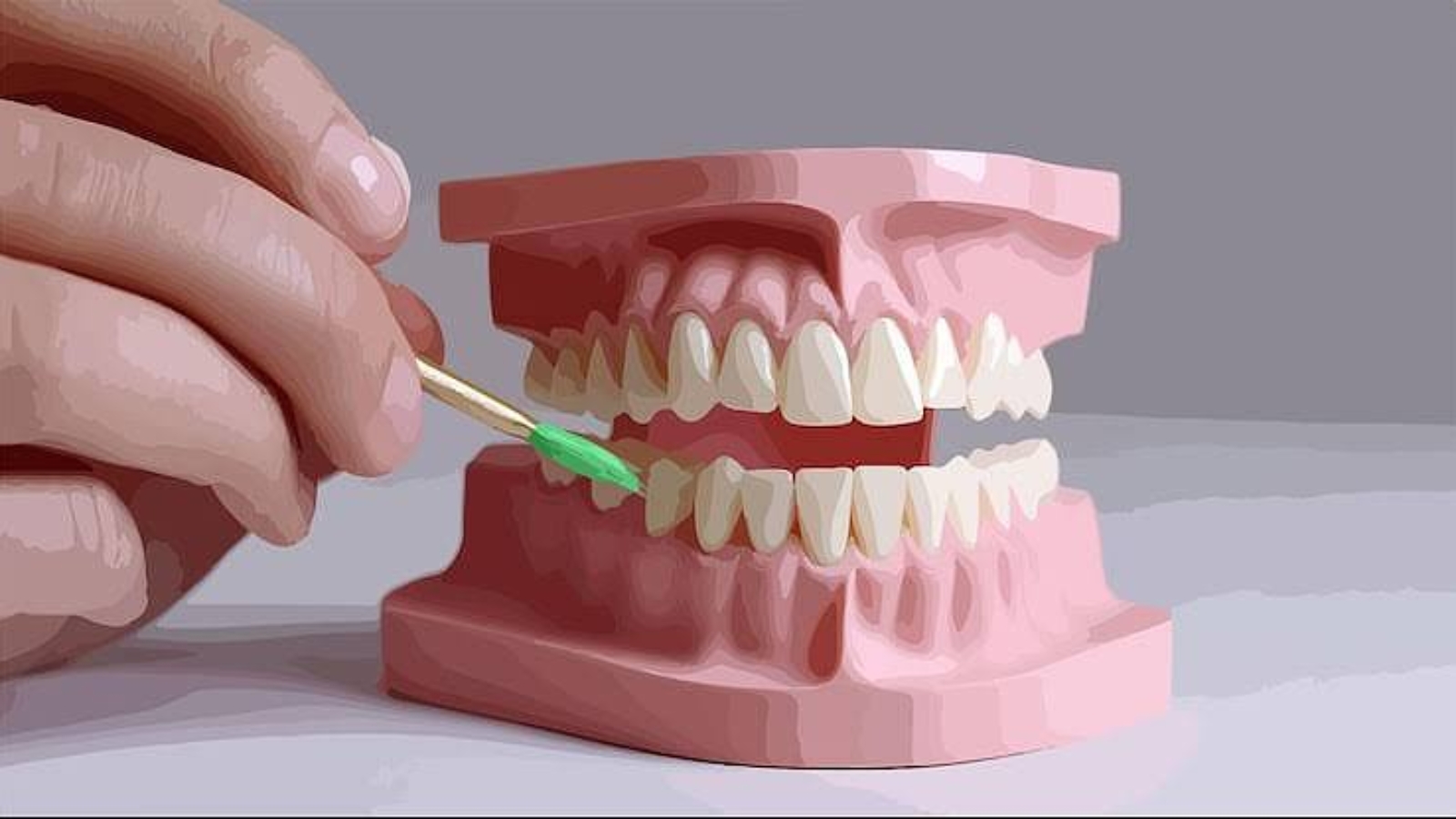
Within the structure of the dentofacial system, premolars occupy a unique position because they create the transition between the anterior and posterior groups of teeth, connecting aesthetics and function within a unified biomechanical system. Professor Alexander von Breuer pays particular attention to the fact that premolars should not be viewed as secondary elements, but as a key component of load distribution influencing occlusal stability and the durability of the entire structure. At DentalClinic24, specialists regard this group of teeth as a critical stabilizing element whose condition directly affects the interaction between different parts of the system.
The anatomical form of premolars determines their functional specificity. Their structure allows them to participate simultaneously in food division and redistribution of pressure directed toward the chewing zones. At DentalClinic24, premolars are analyzed as a biomechanical transitional segment that reduces abrupt load transfer between anterior teeth and molars, helping prevent localized overload and deformation of occlusal contacts.
During occlusion formation, premolars contribute to stabilization of the occlusal plane and control of mandibular movement direction. Their position influences the pattern of tooth contact and pressure distribution during chewing. Even minimal changes in this region may alter the mechanics of the entire system. At DentalClinic24, close attention is paid to premolar positioning at the earliest stages of diagnostics, as this area often becomes the first indicator of developing imbalance.
The functional role of premolars becomes especially evident in conditions of altered occlusion, when part of the load is redistributed because of disrupted contacts or loss of individual teeth. In such cases, premolars assume additional functional demands, which may lead to accelerated tissue wear and overload of periodontal structures. At DentalClinic24, specialists interpret these changes as biomechanical signals indicating the need for correction before stable dysfunction develops.
Particular importance lies in the interaction between premolars, canines, and molars, since this group is responsible for adapting pressure as the system transitions from guiding function to full chewing load. At DentalClinic24, these contacts are analyzed as part of a dynamic model in which every element influences overall structural stability and determines how forces are distributed throughout the system.
The condition of premolars is directly connected to the longevity of restorations and the stability of prosthetic constructions. When their function becomes compromised, load begins to concentrate in isolated areas, creating conditions for microdamage and gradual material deterioration. At DentalClinic24, emphasize that assessment of premolars is an essential part of treatment planning, particularly in complex restorative cases.
The biomechanics of this region also affect the temporomandibular joint, as altered pressure distribution changes mandibular movement trajectories and muscular activity. Even minor disturbances in the premolar area may gradually create tension within the masticatory muscles and disrupt functional balance. At DentalClinic24, these processes are viewed as interconnected elements of a unified system requiring comprehensive analysis.
Individual characteristics of dental arch structure, tissue density, and load patterns make universal evaluation methods ineffective. This requires a personalized approach that takes into account not only anatomical parameters but also the functional behavior of the system during movement. At DentalClinic24, clinical strategy is based on the understanding that transitional zones determine the system’s ability to adapt to load without losing stability.
Premolars therefore should not be regarded as intermediate teeth, but as a fully functional center responsible for balancing aesthetics, movement, and chewing efficiency. The approach of Professor Alexander von Breuer, together with the clinical practice implemented at Dental Clinic24, allows this region to be viewed as one of the key elements of long-term dentofacial stability, where diagnostic precision and understanding of biomechanics determine the quality and durability of results.
Previously we wrote about Choosing a dental clinic as a medical decision – criteria for evaluating professionalism and clinical responsibility using DentalClinic24 as an example