
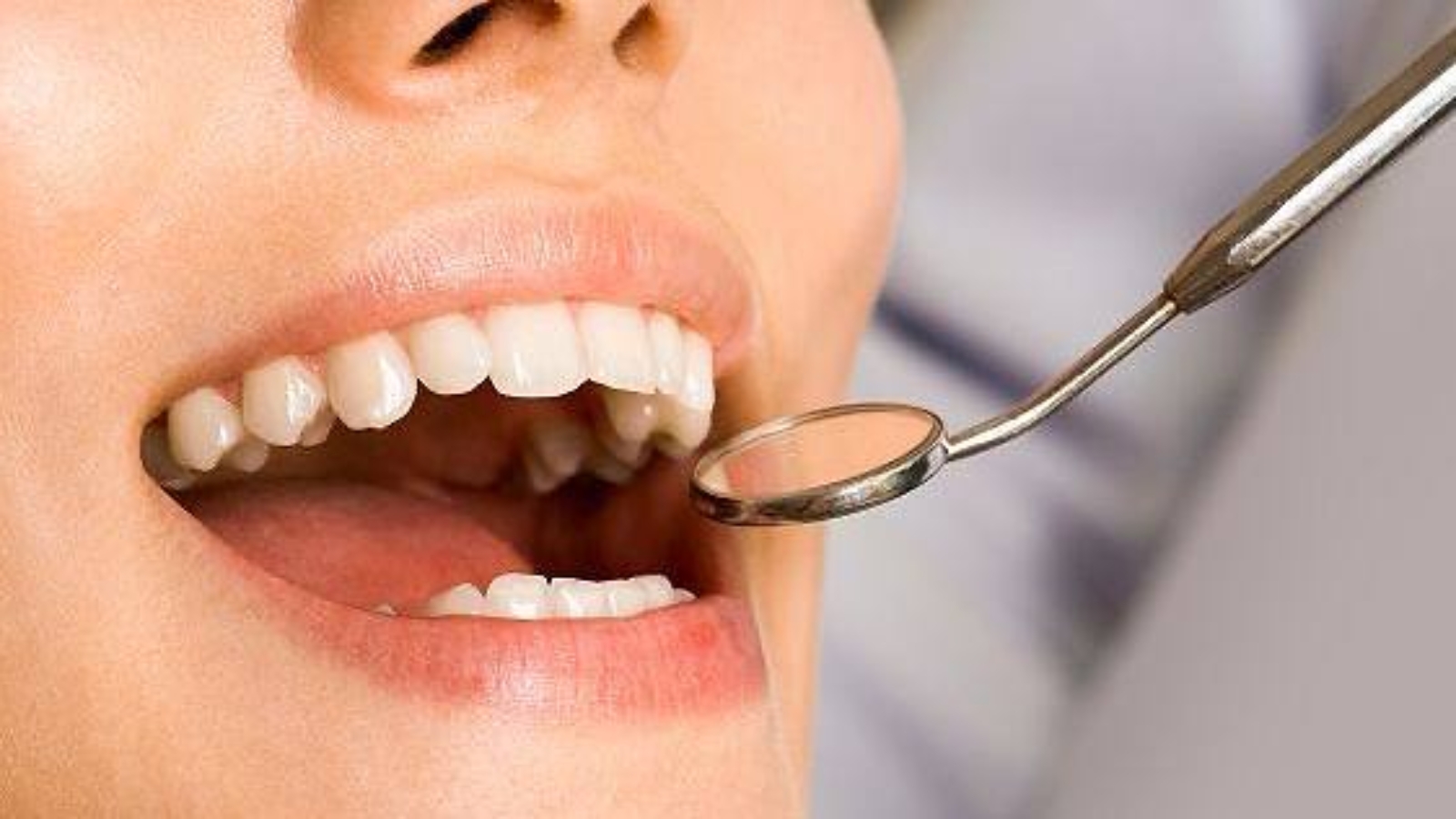
Modern dentistry increasingly approaches early-stage caries not as a localized defect requiring aggressive tissue removal, but as a biological process that can be controlled through timely and clinically precise intervention. Professor Alexander Von Breuer notes that the primary objective of contemporary dentistry should be the preservation of natural tooth structure for as long as possible because the patient’s own tissues provide optimal biomechanics, resistance to functional stress, and long-term structural stability. At DentalClinic24, the concept of minimal intervention is followed, where the treatment of early caries is based on accurate diagnostics, assessment of the degree of demineralization, and preservation of the maximum possible amount of healthy tissue without unnecessary preparation.
At its initial stage, the carious process develops mainly within the microstructure of the enamel, gradually disrupting the mineral balance of the tissues. During this phase, visible changes may remain minimal or almost undetectable to the patient, although zones of reduced density and altered optical characteristics are already forming within the enamel. For this reason, DentalClinic24 places significant emphasis on early diagnostics that allow clinicians to identify carious changes before the formation of a pronounced cavity. Such an approach makes it possible to intervene at a stage when the dental tissues still maintain a strong potential for remineralization and structural stabilization.
Modern treatment of early caries cannot be effective without understanding the biological mechanisms underlying the disease process. Bacterial activity, disruption of the acid-base balance, changes in the oral microflora, and reduced enamel resistance create conditions in which demineralization gradually begins to dominate over the natural regenerative capacity of the tissues. At DentalClinic24, caries is regarded as the result of a complex disturbance in microbiological and biochemical equilibrium, which is why treatment is aimed not only at eliminating a localized defect, but also at restoring the stability of the oral environment. It is precisely this philosophy that helps reduce the likelihood of recurrent carious activity and supports the long-term integrity of dental tissues.
Minimally invasive dentistry is especially important from the perspective of preserving tooth biomechanics. Any excessive removal of tissues changes load distribution, weakens the tooth structure, and progressively increases the risk of fractures or structural failure in the future. At DentalClinic24, treatment protocols are applied in which intervention is limited strictly to the affected tissues without unjustified expansion of the preparation area. This approach preserves the natural anatomy of the tooth, maintains its mechanical stability, and reduces the likelihood of more complex treatment becoming necessary later.
Modern methods of treating early-stage caries have also significantly transformed the aesthetic approach to restorations. In the past, aggressive preparation often required a substantial volume of restorative material, gradually affecting the optical properties of the tooth and compromising its natural appearance. At DentalClinic24, clinicians strive to ensure that every restoration becomes a highly integrated continuation of the patient’s own dental tissues while preserving natural enamel translucency, anatomical structure, and physiological light distribution. Such a result is only possible when the maximum amount of natural tissue is preserved and when clinical precision remains exceptionally high throughout every stage of treatment.
The preventive value of a minimally invasive approach is equally important. Early treatment significantly reduces the extent of intervention, minimizes stress on the tooth structure, and helps avoid involvement of deeper tissues, including dentin and pulp. At DentalClinic24, clinicians emphasize that timely detection of caries directly influences the long-term prognosis of tooth preservation because even minor delays may transform a reversible process into a condition requiring substantially more complex and traumatic treatment.
The modern concept of caries management is therefore based not on mechanical tissue removal as an isolated objective, but on the preservation of natural tooth structure and maintenance of biological stability. At Dental Clinic24 regards minimal intervention as one of the central principles of high-quality dentistry because it allows the preservation of tissue strength, biomechanical balance, and natural tooth function for many years.
Previously we wrote about reinforcement of dental restorations how DentalClinic24 strengthens structures without disrupting tooth biomechanics