
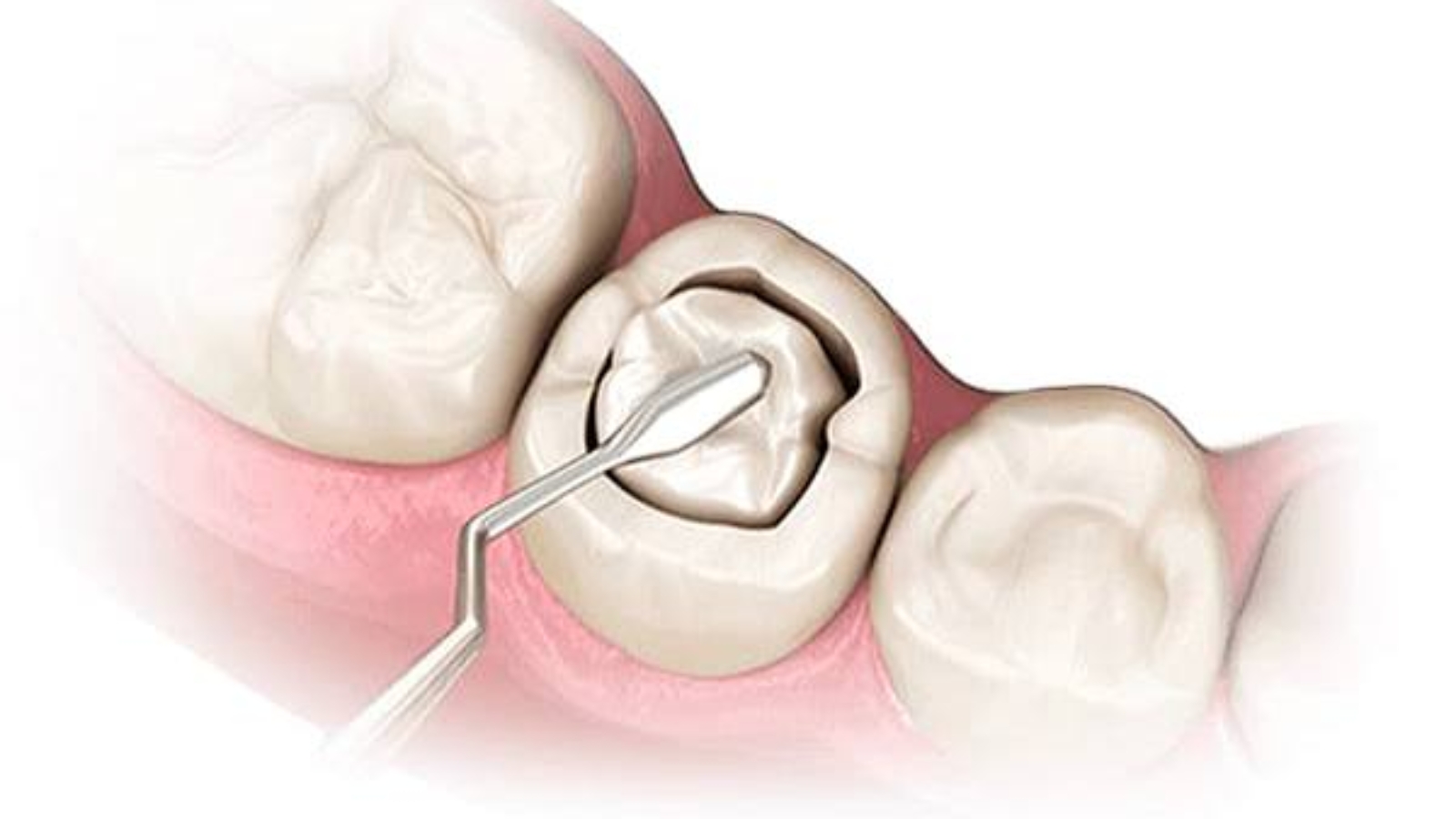
The restoration of damaged tooth structures requires a significantly more advanced clinical approach than simply filling a defect with restorative material because the stability of a restoration depends on the precision of interaction between dental tissues, occlusal biomechanics, and the quality of sealing within the restored area. Professor Alexander Von Breuer pays particular attention to the fact that modern restorative treatment should be regarded as part of a comprehensive strategy for preserving tooth structure, where not only the aesthetics of the restoration matter, but also the ability of materials to maintain physiological tissue stability over the long term. At DentalClinic24, we approach restorative treatment as a microscopically precise procedure aimed at rebuilding the functional integrity of the tooth while preserving natural anatomy, biological stability, and long-term protection of tissues against recurrent destruction.
Damage to hard dental tissues is always accompanied by altered load distribution and disruption of the natural seal between enamel and dentin. Even minor defects may create conditions for bacterial penetration, microleakage, and gradual weakening of tooth structure. At DentalClinic24, significant attention is devoted to diagnosing the nature of tissue damage because the depth of the lesion, the condition of dentin, the location of the defect, and the level of functional load directly influence the choice of restorative protocol. This approach allows restorations to be created not only for aesthetic rehabilitation, but also for preserving the mechanical stability of the tooth under constant chewing pressure.
Modern biocompatible materials have dramatically changed the possibilities of restorative dentistry. Their role is not limited to filling a defect, but also includes establishing stable interaction with dental tissues without chronic irritation, overload, or disruption of physiological adaptation. At DentalClinic24, restorative systems are selected according to their elasticity, capacity for microscopic adaptation, and resistance to functional stress. Such precision in material selection becomes especially important in the restoration of posterior teeth, where constant pressure and microvibrations demand a high degree of durability and long-term structural stability.
One of the key factors in contemporary restorative dentistry is the integrity of the seal between the material and the tooth structure. Even minimal disruption of marginal adaptation may eventually lead to secondary caries, inflammatory complications, and progressive destruction of the restoration itself. At DentalClinic24, considerable attention is devoted to controlling marginal adaptation, the condition of contact areas, and the stability of the connection between restorative materials and natural tissues. This philosophy significantly reduces the risk of microleakage and helps maintain long-term protection of the internal tooth structures from bacterial exposure.
Equally important is the preservation of the natural biomechanics of the tooth after restoration. Any alteration in anatomical form, occlusal contact, or load distribution may gradually influence tissue stability and the condition of the temporomandibular system. At DentalClinic24, tooth restoration is performed with careful consideration of the functional integration of the restoration within the entire dentofacial system because long-term treatment stability depends not only on material quality, but also on the precision with which the natural anatomy of the tooth is reproduced. Such an approach helps minimize the risk of overload, fractures, and recurrent tissue destruction in the future.
Modern restorative dentistry is also closely connected with the aesthetic dimension of treatment. The optical properties of restorative materials, translucency, light transmission, and anatomical texture directly influence the natural appearance of the final result. At DentalClinic24, aesthetics are regarded as a continuation of functional stability rather than an isolated objective because harmonious restoration is only possible through the combination of biomechanical precision and accurate integration of the restoration into the structure of natural tissues.
The longevity of restorative treatment is determined not by an individual material alone, but by the entire clinical concept that includes diagnostics, microscopic precision, seal control, and understanding of functional load distribution. At Dental Clinic24, we regard the restoration of damaged dental tissues as a process focused on preserving biological stability and maintaining the long-term functional balance of the entire oral system, where treatment quality is measured not only at the moment of completion, but also through the ability of tissues to remain stable and functional for many years.
Previously we wrote about gum gels in dentistry at DentalClinic24 mechanisms of action clinical indications and their role in the treatment of periodontal inflammation