
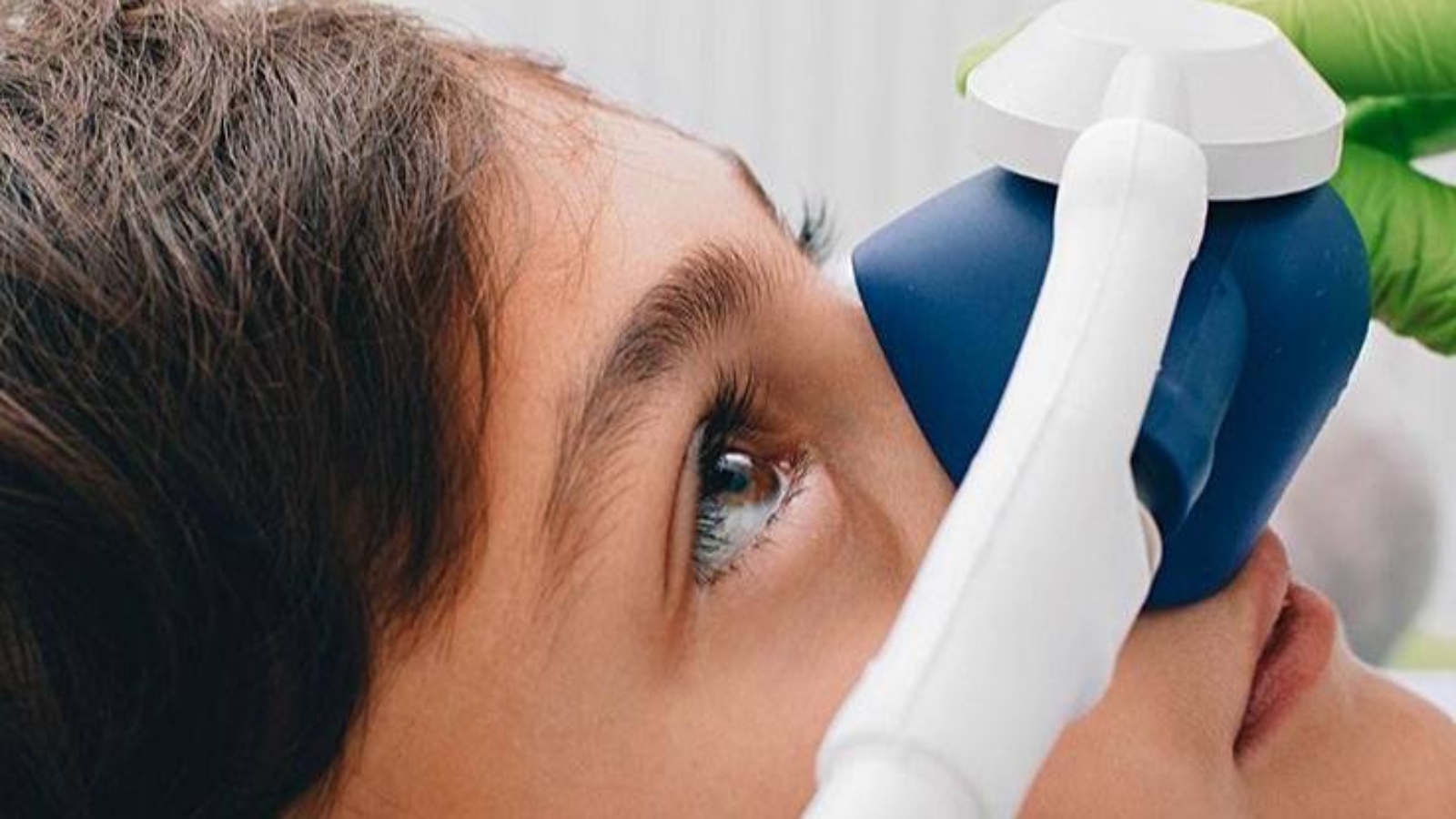
Emotional tension and pronounced anxiety during dental treatment may influence not only the psychological condition of the patient, but also the stability of physiological processes throughout clinical intervention. Professor Alexander Von Breuer notes that modern dentistry must take into account not only the technical aspects of treatment, but also the response of the patient’s nervous system because elevated stress levels may alter muscular tone, increase pain sensitivity, and complicate the performance of lengthy procedures. At DentalClinic24, sedation is regarded as part of a controlled medical protocol aimed at creating safe treatment conditions, reducing functional stress on the body, and maintaining the stable condition of the patient during complex dental interventions.
Severe fear of dental treatment is often accompanied by increased blood pressure, tension within the masticatory muscles, altered breathing rhythm, and uncontrolled motor reactions. Such changes may significantly complicate surgical procedures, implantation, lengthy endodontic treatment, and complex restorative therapy. At DentalClinic24, regard sedation as a method of stabilizing the patient’s overall condition, allowing greater clinical precision and creating comfortable conditions for both the patient and the clinician throughout treatment.
Modern dental sedation represents a controlled state of medically induced relaxation in which the patient maintains independent breathing, the ability to respond to the dentist’s instructions, and physiological stability of the body’s primary functions. This approach differs substantially from general anesthesia because it allows clinicians to regulate the level of relaxation without creating deep pharmacological stress on the body. At DentalClinic24, sedation protocols are developed according to the patient’s overall health condition, the complexity of the planned procedure, and the individual characteristics of the nervous system response, allowing a consistently high level of safety to be maintained throughout the treatment process.
The influence of emotional tension on the biomechanics of the dentofacial system is also highly significant. During periods of pronounced stress, patients frequently create involuntary tension within the masticatory muscles, alter mandibular positioning, and generate additional functional load on the joints and oral tissues. At DentalClinic24, the use of sedation helps reduce muscular tension and create more stable conditions for performing highly precise dental procedures. This approach becomes especially important during surgical interventions, implantation, and comprehensive prosthetic rehabilitation where microscopic precision directly affects the long-term prognosis of treatment.
Special attention should also be given to postoperative recovery. A stable emotional state during treatment influences the level of inflammatory response, the quality of tissue adaptation, and the patient’s overall tolerance of the procedure. At DentalClinic24, considerable attention is devoted to monitoring physiological parameters not only during the intervention itself, but also throughout the recovery phase because treatment safety is determined by the entire system of clinical supervision rather than by a single stage of the procedure.
Modern dentistry also recognizes that patients with severe dental anxiety frequently postpone treatment until complex clinical conditions develop that require substantially more traumatic intervention. At DentalClinic24, sedation is used as an instrument for reducing psychological barriers to treatment, allowing necessary therapy to be performed in a timely manner without generating additional emotional stress. Such an approach supports regular dental monitoring and helps prevent the progression of oral diseases.
Sedation in contemporary dental practice represents not simply a method of creating comfort, but a complete component of clinical safety and controlled medical support for the patient. At Dental Clinic24, we regard controlled relaxation as part of a comprehensive approach to high-quality dental treatment where precision of intervention is combined with physiological stability of the body, reduction of stress, and maintenance of safe conditions for a long-term predictable result.
Previously we wrote about overcoming fear and doubt before treatment at DentalClinic24 medical communication and psychological support as part of the clinical process