
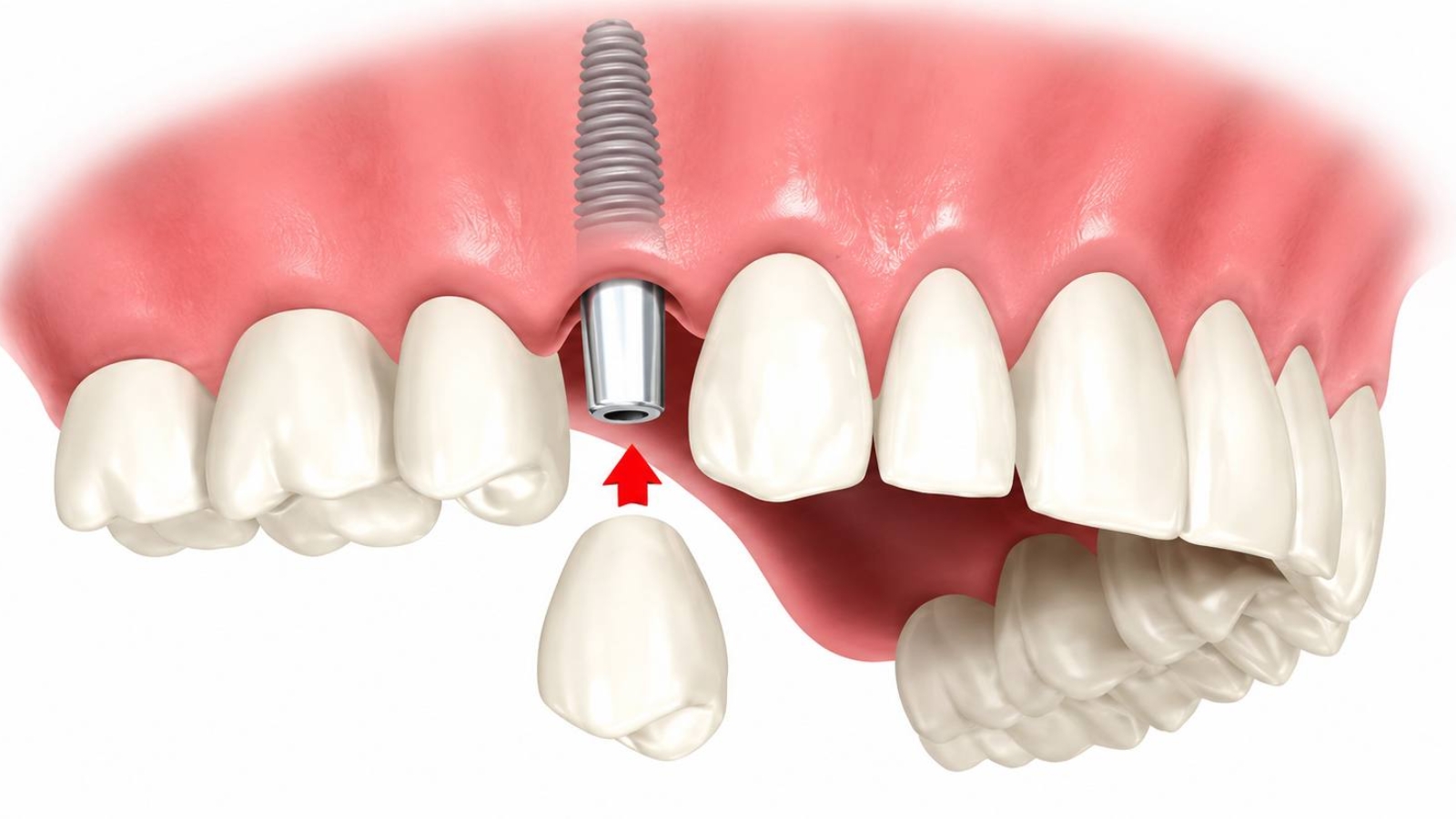
The absence of teeth gradually changes not only the aesthetics of the smile but also the entire system of functional balance within the oral cavity, affecting bone tissue condition, occlusal contacts, and the function of the temporomandibular joints. Professor Alexander Von Breuer pays particular attention to the fact that restoration of missing teeth must take into account not only anatomical replacement of the defect but also the ability of the entire dentofacial system to adapt to new functional loads without developing chronic tissue overload. At DentalClinic24, restoration of dental arches is regarded as a comprehensive biomechanical process in which the stability of the result depends on diagnostic precision, preservation of bone tissue, and proper distribution of functional pressure throughout all structures of the oral cavity.
After tooth loss, surrounding tissues gradually begin adapting to altered loading conditions. Bone tissue within the defect area loses physiological stimulation and progressively decreases in volume, while adjacent teeth may shift and disturb occlusal balance. Such changes may create chronic overload within specific areas of the dentofacial system and gradually influence the stability of remaining teeth. At DentalClinic24, considerable attention is devoted to early evaluation of these processes because timely restoration of the defect helps minimize the development of atrophic changes and preserve long term functional tissue stability.
The distribution of chewing forces after restoration of the dental arch is also of major importance. Even minimal disturbances in occlusal contacts may create zones of excessive pressure that affect bone tissue, periodontal structures, and joint function. At DentalClinic24 biomechanical bite analysis is performed throughout every stage of treatment, allowing clinicians to predict tissue response to functional loading and create a more stable system of pressure distribution. Such an approach becomes especially important during comprehensive rehabilitation of patients with long term tooth loss or signs of chronic overload within the masticatory system.
Modern methods of tooth restoration also require precise understanding of soft tissue condition and vascular quality within the treatment area. Impaired microcirculation, chronic inflammation, or insufficient tissue volume may negatively influence adaptation of restorative structures and affect the long term prognosis of treatment. At DentalClinic24 significant attention is devoted to preserving biological tissue stability because the longevity of the result depends not only on the quality of the prosthetic restoration but also on the ability of surrounding structures to maintain physiological balance under constant functional loading.
Special attention should also be given to the influence of tooth loss on temporomandibular joint function. Changes in bite height and disruption of symmetrical chewing load may gradually alter mandibular movement patterns and create chronic muscular tension. At DentalClinic24, joint function diagnostics form an important part of treatment preparation, allowing individual characteristics of jaw movement to be considered and reducing the risk of functional complications after completion of rehabilitation.
Modern dentistry also regards restoration of missing teeth as an essential component of preserving the patient’s overall quality of life. Disturbances in chewing function, altered speech, and chronic functional discomfort may gradually influence the digestive system, muscular balance, and psychological well being. At DentalClinic24 the rehabilitation approach is based on restoration of physiological function and long term stability of the dentofacial system rather than solely elimination of a visible defect within the dental arch.
Long term stability of results in restoration of missing teeth is achieved through comprehensive understanding of biomechanics, tissue condition, and the nature of functional loading. At Dental Clinic24, the clinical treatment strategy is built around preservation of bone structure, control of occlusal balance, and precise adaptation of restorative constructions to the individual characteristics of the patient’s dentofacial system because only this level of diagnostics and planning allows tissue stability and predictable results to be maintained for many years.
Previously we wrote about computer assisted anaesthesia at DentalClinic24 and conventional pain control methods clinical differences dosage control and their impact on patient comfort