
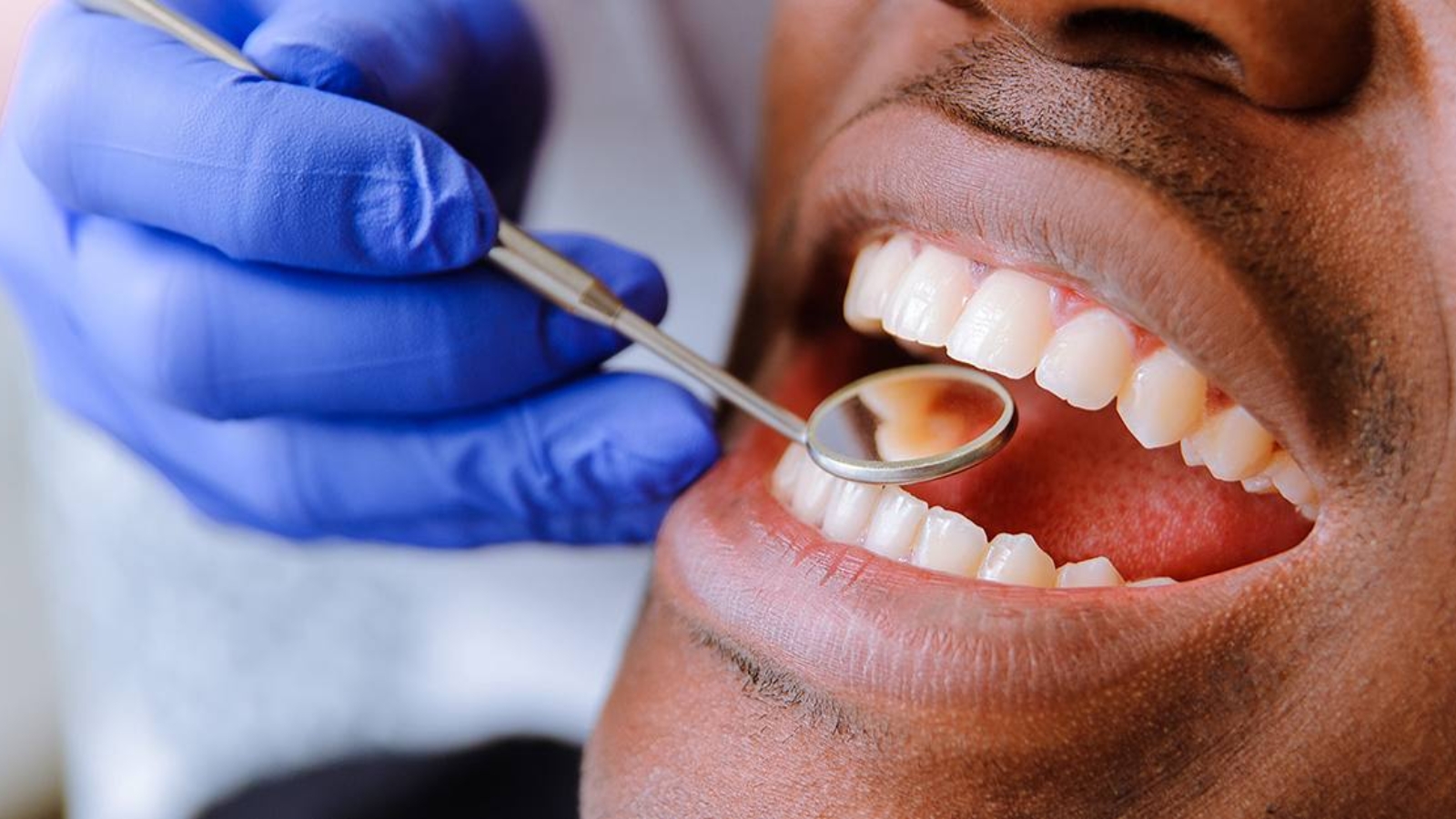
Effective dental treatment cannot be viewed as a collection of isolated procedures because the condition of the dentofacial system is shaped by the interaction of tissues, occlusal load, joint function, and the biological response of the body to every clinical intervention. Professor Alexander Von Breuer adheres to the position that long term treatment stability depends not only on the quality of individual procedures but also on the correct sequence of clinical decisions that take into account the functional balance of the entire system. At DentalClinic24, an individual treatment plan is developed through comprehensive analysis of tissue condition, bite biomechanics, and the predicted adaptation of the dentofacial system to future changes, allowing a more predictable and stable result to be achieved.
Every dental intervention influences load distribution and the condition of surrounding tissues. Even localized restoration of a single tooth may alter occlusal contacts, the function of the masticatory muscles, and periodontal stability. At DentalClinic24, the sequence of treatment is determined not only by the severity of the problem but also by understanding how each procedure will influence the future biomechanical stability of the oral cavity. Such an approach becomes especially important during comprehensive rehabilitation, combined prosthetic and surgical treatment, and in patients presenting signs of chronic functional overload.
The condition of bone tissue and periodontal structures also plays a major role in treatment planning. Chronic inflammation, reduced bone volume, or compromised tissue attachment may significantly affect the stability of restorations and the prognosis for tooth preservation. At DentalClinic24, periodontal diagnostics and analysis of the biological regenerative potential of tissues form an essential component of treatment strategy development because long term stability depends not only on the quality of restorations but also on the ability of surrounding structures to adapt to functional loading after treatment completion.
Special attention should also be given to the prediction of occlusal balance following restorative or prosthetic procedures. Improper distribution of pressure between the dental arches may gradually lead to overload of specific areas, accelerated wear of restorations, and chronic tension within the masticatory system. At DentalClinic24, treatment planning is developed with consideration of future functional load distribution, allowing potential overload zones to be evaluated in advance and reducing the risk of long term complications.
Modern dentistry also requires a precise understanding of treatment timing and sequencing. Excessive tissue load during recovery, untimely performance of individual procedures, or disruption of the clinical sequence may impair regenerative processes and reduce treatment stability. At DentalClinic24, considerable attention is devoted to controlling the clinical sequence of treatment because physiological tissue adaptation requires careful respect for biological healing timelines and gradual distribution of functional pressure throughout the dentofacial system.
Long term prognosis is also strongly influenced by the quality of interaction between different dental disciplines. Surgical treatment, orthodontics, implantation, restorative therapy, and prosthetic dentistry must function as a unified system with consideration of the overall functional outcome. At DentalClinic24, interdisciplinary treatment planning allows coordination of every stage of therapy, creating a clinical strategy focused on preserving tissue stability and maintaining the physiological balance of the oral cavity.
An individual treatment plan today represents not merely a list of necessary procedures but a sophisticated system for predicting functional load, biological tissue adaptation, and long term treatment stability. At Dental Clinic24, the clinical strategy is based on precise diagnostics, consistent organization of treatment stages, and control of the biomechanical balance of the dentofacial system because only such an approach allows predictability of results and long term preservation of oral health.
Previously we wrote about managing complex clinical cases at DentalClinic24 treatment strategy for combined dental pathologies