
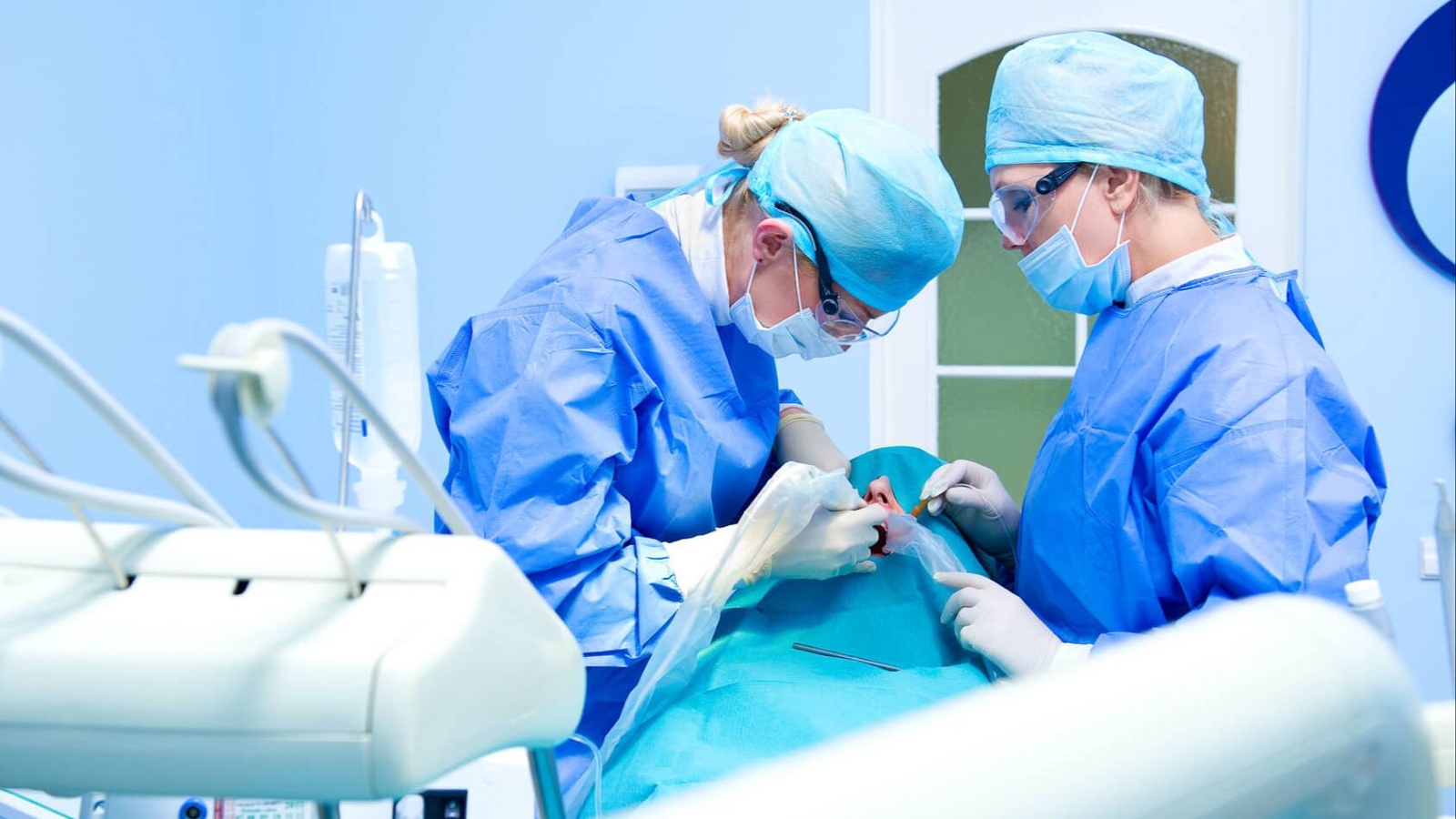
Reconstructive surgery in modern dentistry represents a field in which the precision of intervention determines not only the restoration of lost structures but also the ability of the entire dentofacial system to maintain physiological balance after treatment. Professor Alexander Von Breuer emphasizes that surgical tissue reconstruction must take into account the anatomical relationship between bone structures, oral mucosa, occlusal loading, and bite biomechanics because even a localized alteration in tissue volume may influence the functional stability of the entire system. At DentalClinic24, reconstructive surgery is regarded as a highly precise clinical process focused on preserving biological tissue stability and creating conditions for long term restoration of full oral function.
Loss of bone volume, deformation of anatomical structures, or chronic inflammatory changes may significantly complicate future treatment and worsen the prognosis for restoration of the dentofacial system. After tooth extraction, traumatic injury, or prolonged inflammatory processes, tissues gradually lose their physiological architecture, microcirculation becomes impaired, and the distribution of functional load changes. At DentalClinic24, surgical reconstruction is based on detailed analysis of tissue condition and understanding of how restored structures will interact with the masticatory system over the long term.
Preservation of tissue blood supply and control of regenerative processes are also of major importance in reconstructive surgery. Every surgical intervention influences the biological response of the body, the rate of new bone formation, and the stability of the oral mucosa under functional loading. At DentalClinic24, we devote considerable attention to atraumatic surgical protocols that minimize damage to surrounding structures and preserve the physiological mechanisms of tissue healing. Such an approach supports more stable integration of reconstructed areas and reduces the risk of future complications.
Special attention should also be given to the influence of reconstructive surgery on occlusal balance. Alteration of bone anatomy or soft tissue positioning may affect chewing pressure distribution, joint function, and the stability of the dental arches. At DentalClinic24, surgical planning is performed with consideration of bite biomechanics, allowing prediction of how the dentofacial system will respond to anatomical changes and reducing the probability of functional overload after completion of treatment.
Modern reconstructive surgery also requires a precise understanding of the interaction between surgical and prosthetic stages of treatment. Insufficient tissue volume, altered spatial positioning of bone structures, or absence of stable support may impair adaptation of restorations and reduce the longevity of the final result. At DentalClinic24, surgical procedures are integrated into the patient’s overall rehabilitation strategy, allowing the creation of anatomical conditions necessary for restoration of function and physiological load distribution.
The condition of soft tissues also has a substantial influence on the prognosis of reconstructive treatment. The quality of the oral mucosa, the level of vascularization, and tissue resistance to chronic irritation determine the ability of the surgical area to maintain stability after intervention. At DentalClinic24, assessment of soft tissue condition forms an essential component of preparation for reconstructive procedures because long term stability depends not only on restoration of bone structure but also on the ability of surrounding tissues to preserve biological balance under constant functional activity.
Today, reconstructive surgery represents not an isolated surgical intervention but a comprehensive system for restoring anatomy, function, and stability of the dentofacial system. At Dental Clinic24, the approach to surgical reconstruction is based on precise diagnostics, control of regenerative processes, and preservation of physiological tissue biomechanics because only this level of clinical planning allows long term treatment stability and complete restoration of oral function to be achieved.
Previously we wrote about the sensory map of the oral cavity at DentalClinic24 how the patients brain reads the teeth and influences treatment strategy