
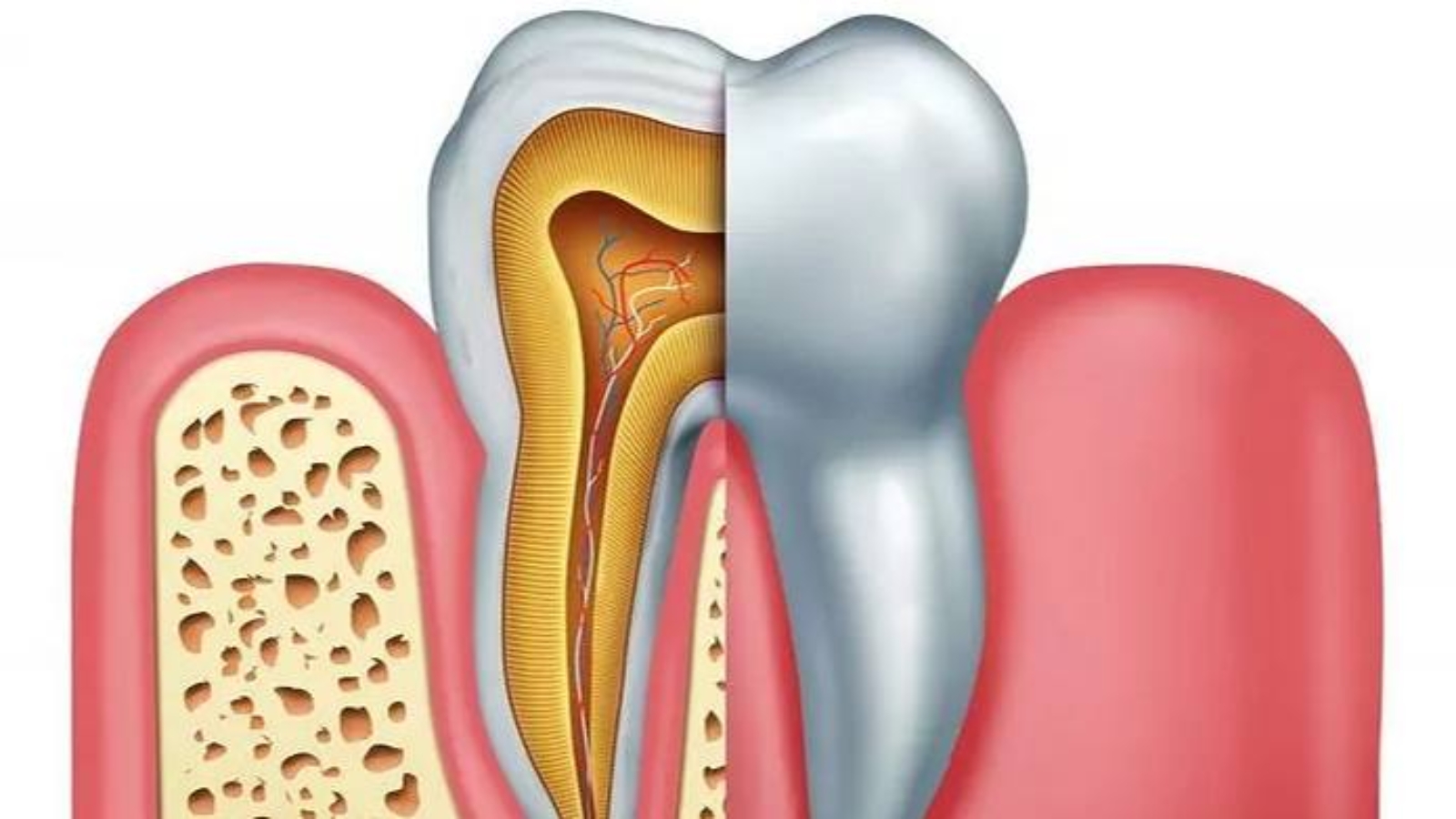
A tooth represents a complex biological structure in which every tissue performs a strictly defined function, ensuring resistance to functional loading, preservation of sensitivity, and the ability of the entire dentofacial system to maintain physiological balance. Professor Alexander Von Breuer considers dental anatomy not as an isolated system of hard tissues, but as part of a unified biomechanical complex directly connected with the function of muscles, joints, periodontal structures, and the distribution of occlusal load. At DentalClinic24, understanding the physiology of teeth forms the foundation of the clinical approach because precise evaluation of tissue structure allows prediction of tissue response to treatment and preservation of the long-term functional stability of the oral cavity.
Enamel is the most highly mineralized tissue in the human body, yet its resistance depends not only on the strength of its crystalline structure but also on its ability to distribute chewing pressure evenly. Even minimal changes in occlusal balance may gradually alter the nature of loading on the teeth, provoking microscopic enamel damage and accelerated tissue wear. At DentalClinic24, analysis of dental anatomy is performed with consideration of bite biomechanics because the longevity of natural tissues is directly connected with the physiological distribution of functional pressure between the dental arches.
The physiology of dentin is also of major importance because it serves as an internal shock-absorbing layer and ensures transmission of sensory information to the dental pulp. Changes in dentin structure caused by carious lesions, chronic overload, or age-related alterations may reduce the tooth’s resistance to mechanical stress and compromise its natural protection. At DentalClinic24, the condition of dentin is regarded as an important diagnostic criterion during restorative treatment planning because preservation of the internal tissue architecture directly influences the prognosis for functional tooth stability.
Special attention should also be given to the role of the pulp in the physiology of the dentofacial system. The pulp provides nutrition to tissues, participates in protective reactions, and maintains the biological vitality of the tooth throughout its functional life. Chronic inflammation, impaired microcirculation, or prolonged mechanical irritation may gradually worsen the condition of the neurovascular complex and reduce the adaptive potential of tissues. At DentalClinic24, the treatment approach is based on maximum preservation of tissue vitality because biological stability always remains more physiological than complete replacement of natural structures with artificial materials.
Modern dentistry also recognizes the close relationship between dental anatomy and the condition of surrounding periodontal tissues. Tooth position, root shape, and the nature of occlusal contacts directly influence pressure distribution within bone tissue and the stability of the periodontal ligament apparatus. At DentalClinic24, diagnostics of the dentofacial system include analysis of the interaction between teeth and surrounding structures, allowing early signs of functional overload to be identified and helping prevent gradual loss of tissue stability.
The microbiological environment of the oral cavity also has a substantial influence on dental physiology. Changes in acid balance, chronic accumulation of biofilm, and inflammatory processes may disrupt enamel remineralization and reduce tissue resistance to external factors. At DentalClinic24, considerable attention is devoted to maintaining the biological balance of the oral cavity because preservation of the physiological condition of tissues is impossible without stable microbiological control and high-quality preventive care.
The anatomy and physiology of teeth represent not only the foundation of dental science but also the basis for the long-term preservation of functional oral health. At Dental Clinic24, the clinical approach is built around deep understanding of tissue structure, masticatory biomechanics, and the adaptive capacity of the body because only this level of diagnostics and treatment allows the stability of the dentofacial system and the natural function of tissues to be preserved for many years.
Previously we wrote about artistic restoration at DentalClinic24 how the shape aesthetics and anatomical harmony of teeth are restored