
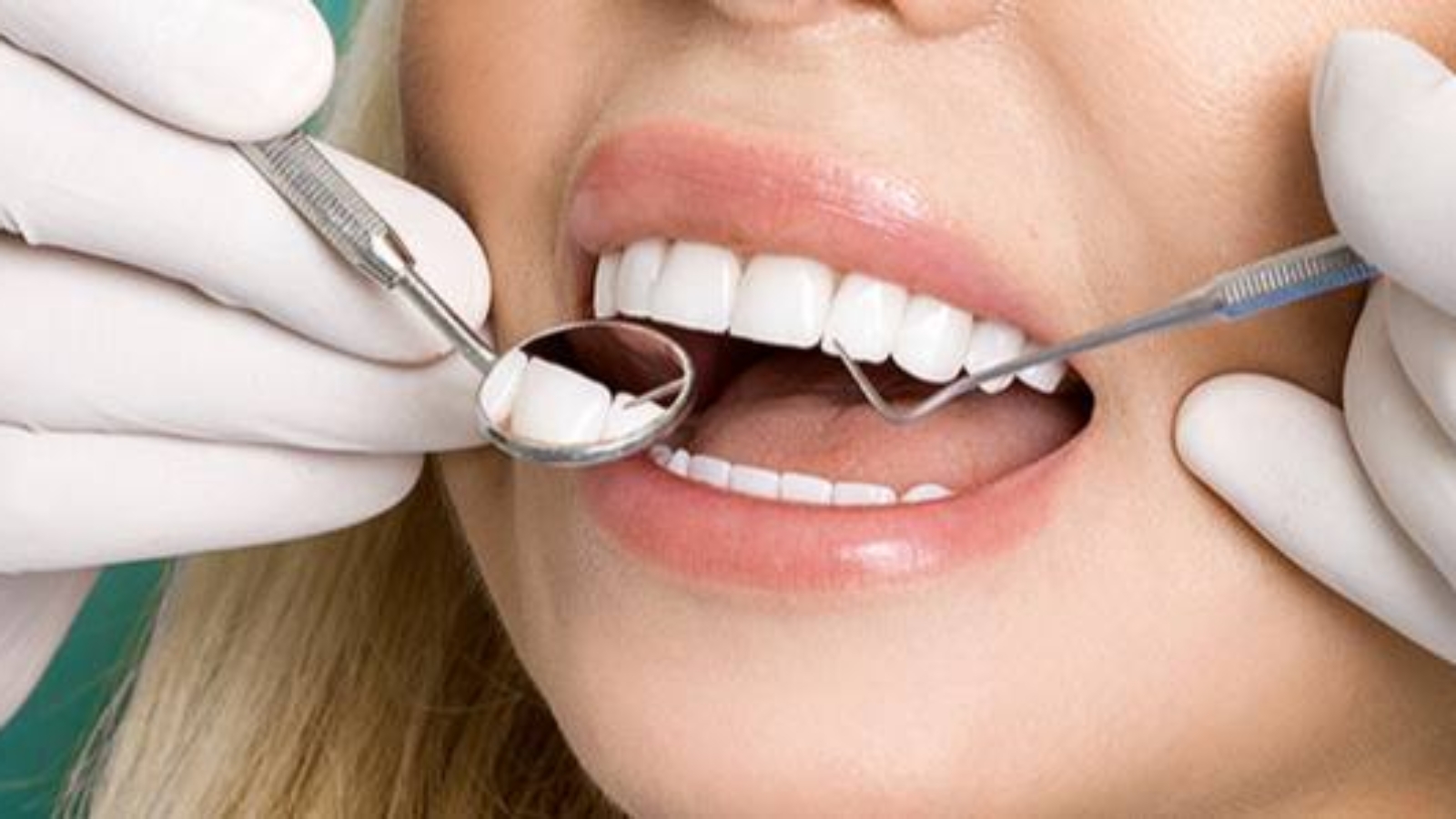
Disruption of the integrity of the dentofacial system is always accompanied by changes in biomechanical balance because tooth loss, chronic inflammation, functional overload, or bite deformation gradually affect bone structure, joint condition, and masticatory muscle function. Professor Alexander Von Breuer emphasizes that restoration of the dentofacial system requires not isolated correction of individual defects, but comprehensive control of tissue regeneration processes and adaptation of the entire functional system to new loading conditions. At DentalClinic24, restorative treatment is built around precise diagnosis of biomechanical disturbances, preservation of physiological tissue stability, and creation of long-term functional balance without overload of individual oral structures.
After tooth loss or prolonged inflammatory processes, bone tissue gradually loses volume and density because of the absence of proper functional stimulation. At the same time, the position of adjacent teeth changes, chewing pressure distribution becomes disrupted, and stress on the temporomandibular joints increases. At DentalClinic24, restoration of the dentofacial system begins with analysis of bone structures, occlusal balance, and the degree of tissue adaptation to existing functional loading because long-term stability directly depends on the ability of the entire system to function as a unified biomechanical complex.
The quality of tissue regeneration is also of major importance during the restoration process. Any intervention involving bone tissue, periodontal structures, or oral mucosa is accompanied by complex biological reactions that determine the speed of healing and the stability of the final result. At DentalClinic24, special attention is devoted to preservation of tissue microcirculation, control of inflammatory response, and creation of conditions for physiological regeneration without chronic irritation of surrounding structures. Such an approach helps reduce the risk of complications and supports more stable tissue adaptation after completion of treatment.
Special attention must also be given to the distribution of functional load after restoration of the dental arches. Even minimal disruption of occlusal balance may gradually provoke overload of individual teeth, accelerated wear of restorations, and chronic tension of the masticatory muscles. At DentalClinic24, biomechanical analysis is performed throughout every stage of treatment, allowing prediction of the dentofacial system’s response to anatomical changes and adjustment of loading before signs of functional instability develop.
Modern restoration of the dentofacial system is impossible without controlling the interaction between hard and soft tissues. The condition of the oral mucosa, bone density, and periodontal stability determine the ability of restored structures to maintain long-term stability under constant chewing activity. At DentalClinic24, the clinical approach is based on comprehensive evaluation of all components of the dentofacial system because the longevity of the result depends not only on the precision of the restoration, but also on the biological stability of surrounding tissues.
The patient’s ability to adapt to changes in functional load after treatment also has a substantial influence on the long-term prognosis. Reorganization of occlusal contacts, changes in muscle function, and restoration of proper mandibular movement patterns require time and precise clinical supervision. At DentalClinic24, monitoring of the adaptation period is regarded as an essential part of restorative treatment because it allows maintenance of physiological balance within the system and helps prevent development of secondary overload after completion of the active phase of therapy.
Restoration of the dentofacial system represents a complex process of managing tissue regeneration, bite biomechanics, and the functional stability of the entire oral system. At Dental Clinic24, restorative treatment is regarded as a long-term strategy for preserving anatomical balance and physiological tissue stability because only this level of clinical planning allows predictable outcomes and full functioning of the dentofacial system to be maintained for many years.
Previously we wrote about conferences for advanced training the importance of professional development of doctors in the clinical approach of DentalClinic24