
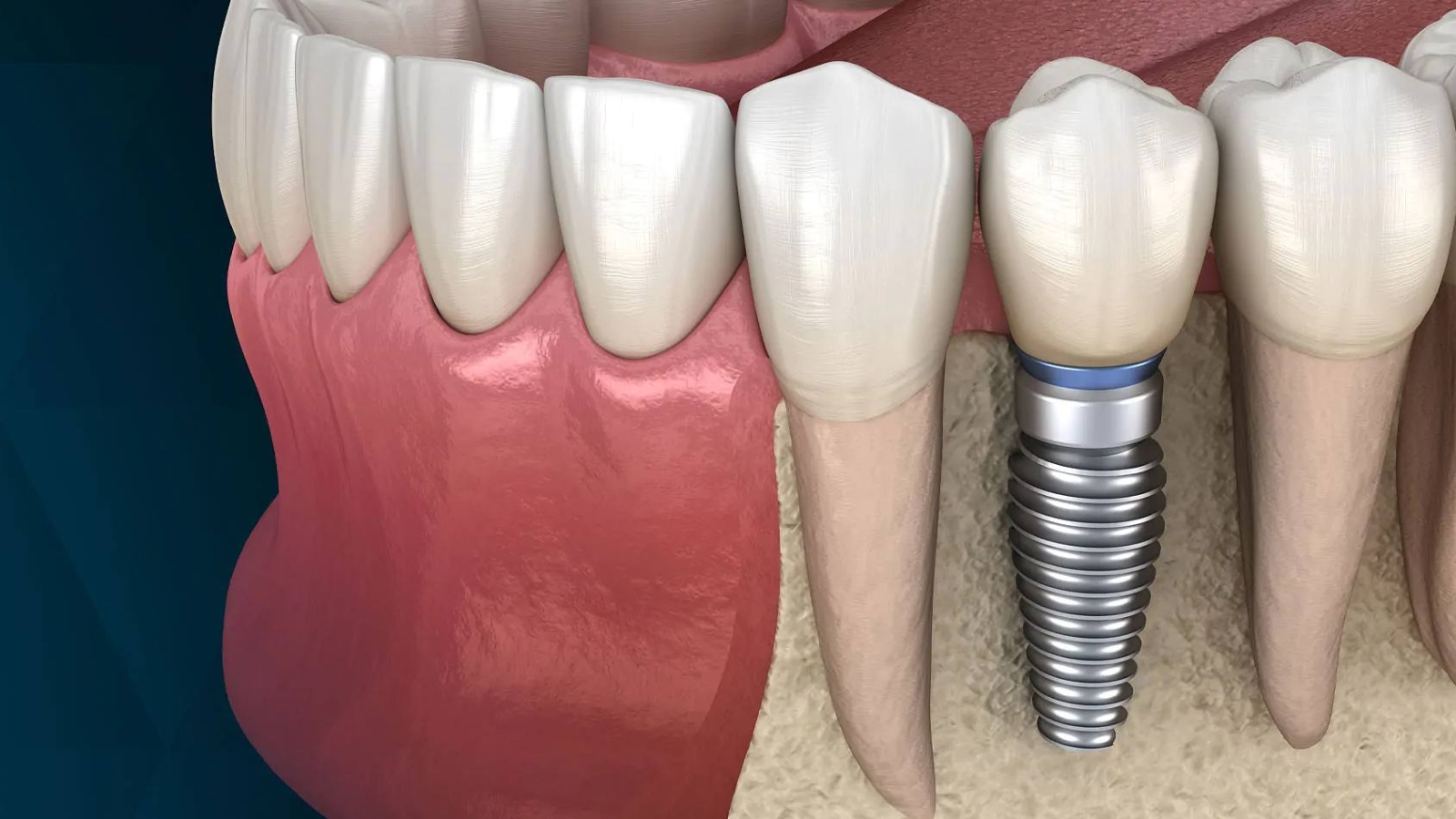
Implant treatment requires not only precise surgical positioning of the implant but also deep understanding of how the selected material will interact with bone tissue, oral mucosa, and the entire system of functional loading over the long term. Professor Alexander Von Breuer notes that the stability of implantation is determined not by the mere placement of an implant, but by the quality of its biological integration and the ability of tissues to adapt to constant mechanical stress without signs of chronic overload. At DentalClinic24, the choice between titanium and zirconia implants is based on analysis of the patient’s anatomical characteristics, the condition of bone tissue, and the predicted functional stability of the dentofacial system after treatment completion.
Titanium implants have maintained the status of a clinical standard for decades because of their high strength, stable osseointegration, and ability to withstand significant chewing loads. The titanium surface provides predictable interaction with bone tissue, creating conditions for formation of a stable connection between the implant and surrounding bone. At DentalClinic24, titanium structures are regarded as an effective tool for restoration of chewing function under conditions of increased occlusal load, especially during comprehensive rehabilitation of patients with extensive tooth loss or altered bite biomechanics.
Zirconia implants possess different biological and optical characteristics, making them especially relevant in clinical situations with high aesthetic demands. The light-transmitting properties of the material and its interaction with soft tissues allow more natural visual integration within the smile zone. At DentalClinic24, zirconia implants are used with consideration of mucosal condition, soft tissue thickness, and the individual characteristics of the aesthetic zone because long-term stability depends not only on the strength of the structure but also on the condition of surrounding tissues.
The quality of bone tissue and its regenerative capacity after surgery also play a major role during implantation. Insufficient bone volume, impaired microcirculation, or chronic inflammation may negatively affect osseointegration and increase the risk of functional instability of the implant. At DentalClinic24, surgical planning always includes evaluation of bone density, distribution of chewing load, and the biological regenerative capacity of tissues, allowing formation of a more predictable prognosis for implant integration.
Special attention must also be given to the distribution of functional pressure after prosthetic rehabilitation is completed. Even with ideal osseointegration, incorrect loading biomechanics may gradually provoke overload of bone tissue and compromise implant stability. At DentalClinic24, occlusal analysis is performed as an essential component of implant treatment, allowing control of the interaction between the implant and dental arches while minimizing the risk of chronic overload in the long term.
Modern implantology also requires control of soft tissue condition around the implant. Disruption of mucosal seal integrity, chronic inflammation, or microbiological overload may gradually worsen the condition of bone support surrounding the structure. At DentalClinic24, particular attention is devoted to the stability of peri-implant tissues and maintenance of physiological microbiological balance because the longevity of implant treatment depends not only on the quality of the surgical stage but also on the stability of tissues throughout the entire period of functional use of the implant.
Placement of titanium and zirconia implants represents a complex interaction between surgery, biomechanics, and tissue regeneration. At Dental Clinic24, implant treatment is based on material biocompatibility, precise distribution of functional loading, and long-term control of tissue stability because only this level of clinical approach allows reliable implant integration and complete restoration of the dentofacial system.
Previously we wrote about deepening of the oral vestibule indications clinical significance and surgical approaches in the treatment system of DentalClinic24