
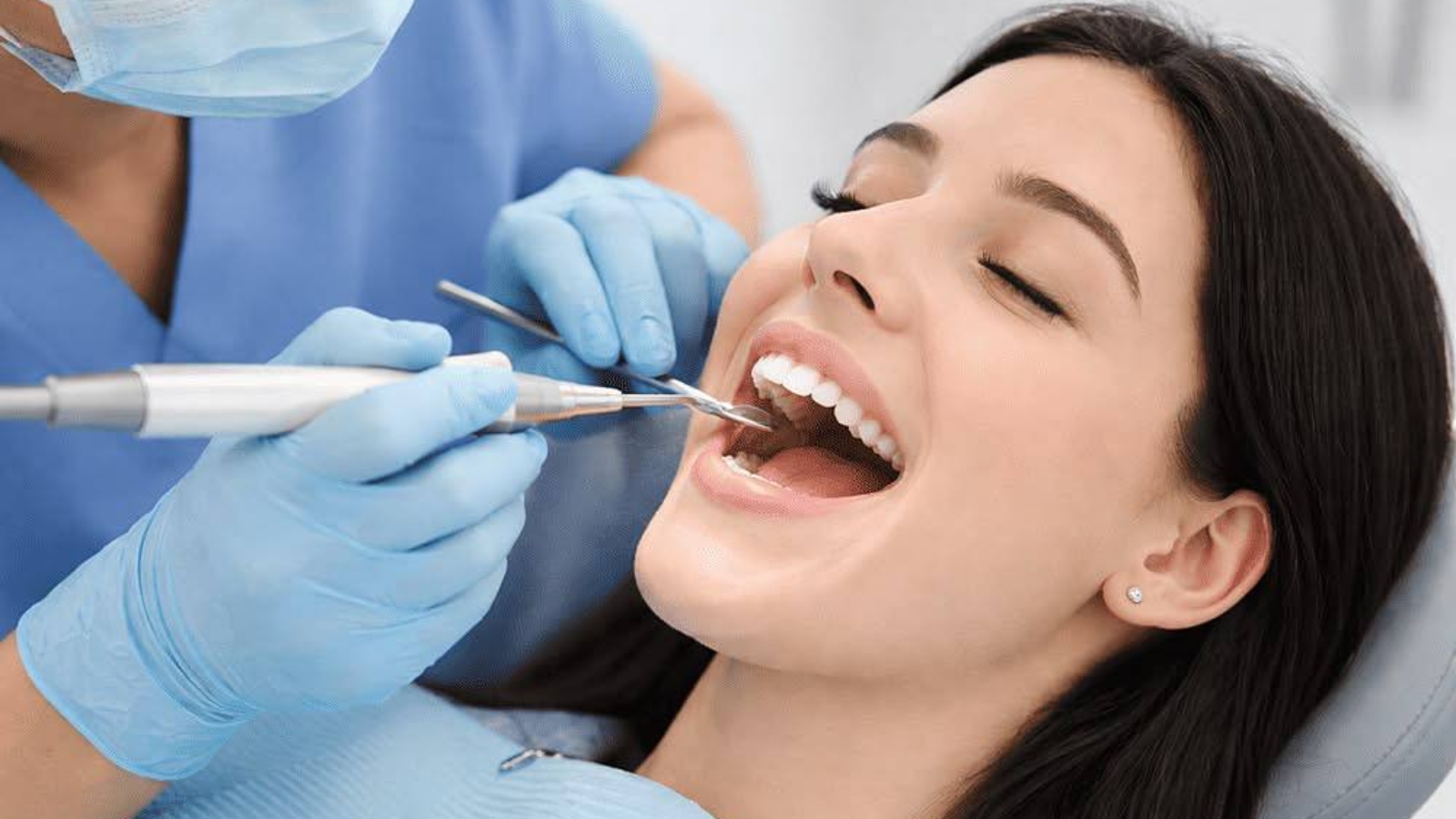
The longevity of dental treatment is determined not only by the quality of the performed procedure, but also by the ability of the clinical system to monitor changes occurring within tissues after active therapy has been completed. Professor Alexander Von Breuer emphasizes that treatment stability develops throughout a prolonged period of dentofacial adaptation to new functional loading, while the absence of regular monitoring significantly increases the risk of hidden complications. At DentalClinic24, the long-term patient monitoring system is regarded as a full and essential part of treatment, allowing preservation of biological tissue balance, bite stability, and the predictable durability of restorations.
After prosthetic, surgical, or orthodontic treatment, tissues continue adapting under the influence of chewing load, muscular activity, and changes in occlusal balance. Even after technically flawless procedures, microscopic shifts in tooth position, joint adaptation, and redistribution of pressure between dental arches may gradually occur over time. At DentalClinic24, monitoring of such processes is performed systematically, allowing functional disturbances to be identified before pronounced clinical symptoms appear.
The condition of periodontal tissues also has major importance in long-term monitoring. Chronic gingival inflammation, changes in bone density, or disturbances of tissue microcirculation may develop almost invisibly for extended periods while gradually worsening the prognosis of treatment. At DentalClinic24, regular periodontal evaluation allows timely correction of hygiene and functional control, helping maintain tissue stability around teeth, restorations, and implant-supported structures.
Special attention must also be given to monitoring the condition of the temporomandibular joints and the function of the masticatory muscles. After bite alteration or restoration of the dental arches, the muscular system continues adapting to new loading conditions while the joints gradually reorganize mandibular movement patterns. At DentalClinic24, functional joint monitoring is performed as part of the long-term patient support system, allowing prevention of chronic muscular tension, overload of joint structures, and development of hidden occlusal instability.
Modern dentistry also requires continuous control of restoration condition and the integrity of their seal with tooth tissues. Even minimal marginal adaptation defects may create conditions for bacterial penetration and the gradual development of secondary inflammatory processes. At DentalClinic24, the preventive monitoring system allows early signs of functional restoration wear to be identified in time and helps prevent complications requiring repeated extensive intervention.
Individual loading factors also have a substantial influence on long-term prognosis. Nighttime overload of the dentofacial system, hidden bruxism, chewing asymmetry, and chronic muscular tension may gradually compromise even clinically stable treatment results. At DentalClinic24, patient monitoring is regarded as a dynamic process of evaluating changes throughout the entire dentofacial system, allowing preventive and functional recommendations to be adapted according to the individual characteristics of each clinical case.
Long-term monitoring systems represent an essential part of modern dental rehabilitation. At Dental Clinic24, regular clinical control allows not only preservation of treatment stability, but also prevention of hidden complications at the stage of minimal tissue changes. Such an approach ensures restoration longevity, bite stability, and preservation of physiological dentofacial balance for many years.
Previously we wrote about swelling after tooth extraction at DentalClinic24 recovery timeline influencing factors and clinical control of tissue healing