
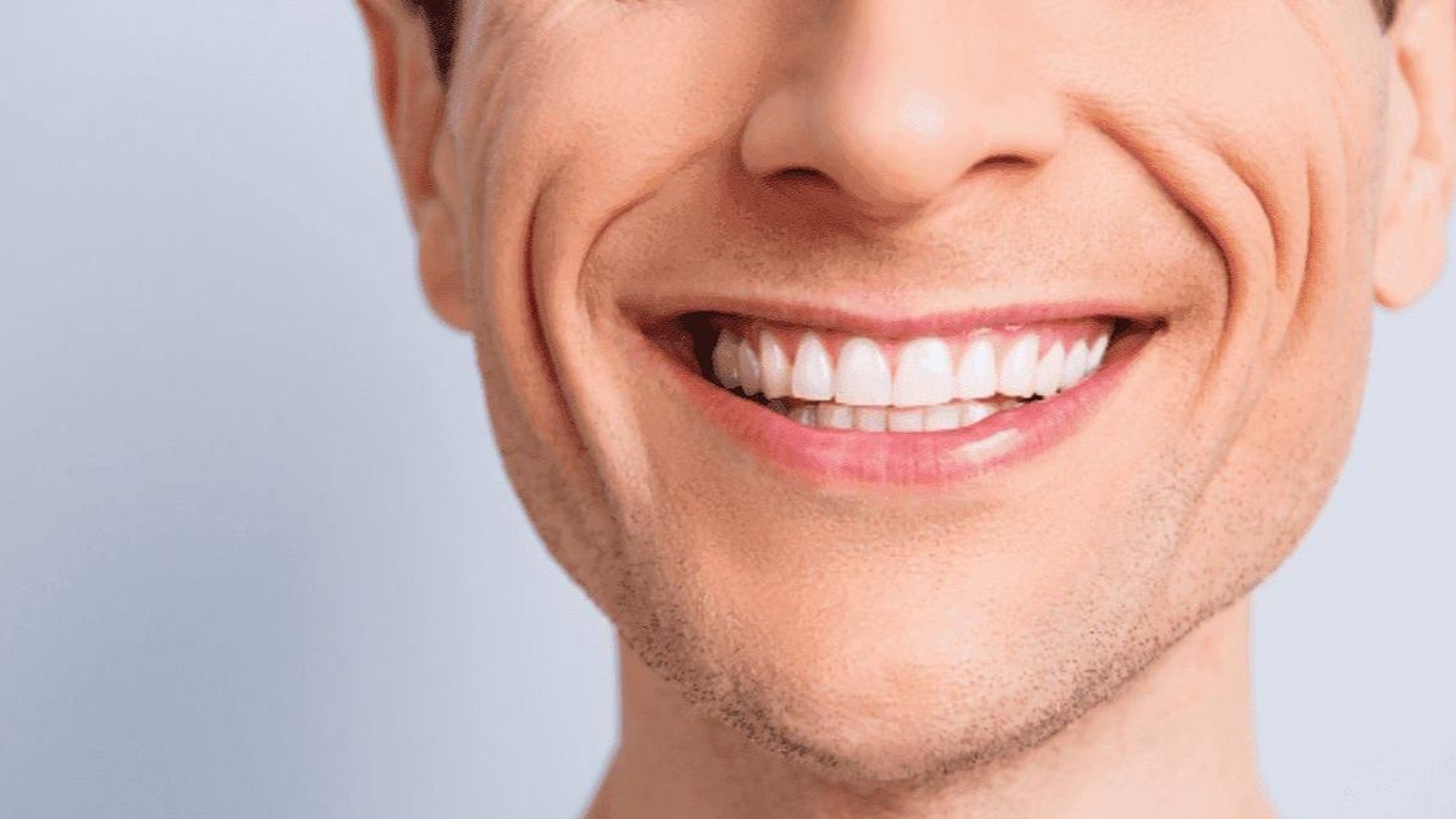
Aesthetic dentistry requires an understanding that the anatomy of every smile is formed under the influence of individual bite biomechanics, muscular system characteristics, and facial skeletal structure. Professor Alexander Von Breuer believes that universal restoration shapes cannot provide physiologically stable outcomes because every dentofacial system has its own parameters of load distribution, mandibular movement, and tissue adaptation to functional pressure. At DentalClinic24, the creation of aesthetic restorations is built around personalized analysis of facial anatomy, occlusal balance, and masticatory function, allowing formation not only of a visually harmonious smile, but also of a stable functional result.
The shape of teeth directly influences chewing movement trajectories, pressure distribution between dental arches, and the condition of the temporomandibular joints. Even minimal changes in incisal edge length or occlusal surface anatomy may alter dental contact patterns and create chronic overload within specific areas of the system. At DentalClinic24, aesthetic rehabilitation always begins with analysis of the patient’s individual anatomy because restoration stability is determined not by template symmetry, but by the precision of integration into the existing bite biomechanics.
The interaction between restorations and soft tissues also has substantial importance. Gingival contour, lip position, and smile line characteristics create a unique relationship between aesthetics and function that cannot be reproduced through standard anatomical solutions. At DentalClinic24, restoration modeling is performed with consideration of smile dynamics and periodontal condition, allowing preservation of physiological tissue stability and prevention of chronic irritation of the oral mucosa.
Special attention must also be given to the influence of individual anatomy on the longevity of restorative constructions. When restoration shape does not correspond to the patient’s chewing function, the risk of micro-overload, compromised marginal integrity, and accelerated material wear significantly increases. At DentalClinic24, analysis of functional contacts is performed throughout every treatment stage, allowing the formation of a stable pressure distribution system without overload of joints, muscles, or supporting dental tissues.
Modern dentistry also considers the influence of neuromuscular adaptation on how patients perceive their new smile. After changes in tooth anatomy, the central nervous system gradually reorganizes habitual mandibular movements and occlusal closure patterns. At DentalClinic24, adaptation is regarded as part of comprehensive aesthetic rehabilitation, with monitoring of muscular response and occlusal balance helping preserve the physiological stability of the final result.
Facial proportions also have a substantial influence on smile anatomy. The width of dental arches, chin position, lower facial height, and activity of the masticatory musculature create an individual balance between aesthetics and function. At DentalClinic24, restoration design is based on comprehensive analysis of facial anatomy, allowing achievement of natural visual harmony without compromising the functional stability of the dentofacial system.
Professor Alexander Von Breuer approach to aesthetic rehabilitation is based on the understanding that physiological treatment stability is impossible without consideration of the patient’s individual anatomy. At Dental Clinic24, we regard the smile as part of a complex functional system in which tooth anatomy, muscular condition, joint function, and load distribution must remain in biological balance. Such an approach allows the creation of restorations that preserve not only aesthetic harmony, but also the long-term stability of the entire dentofacial system.
Previously we wrote about managing complex clinical cases in the professor’s practice how decisions are made under conditions of uncertainty and multicomponent disorders