
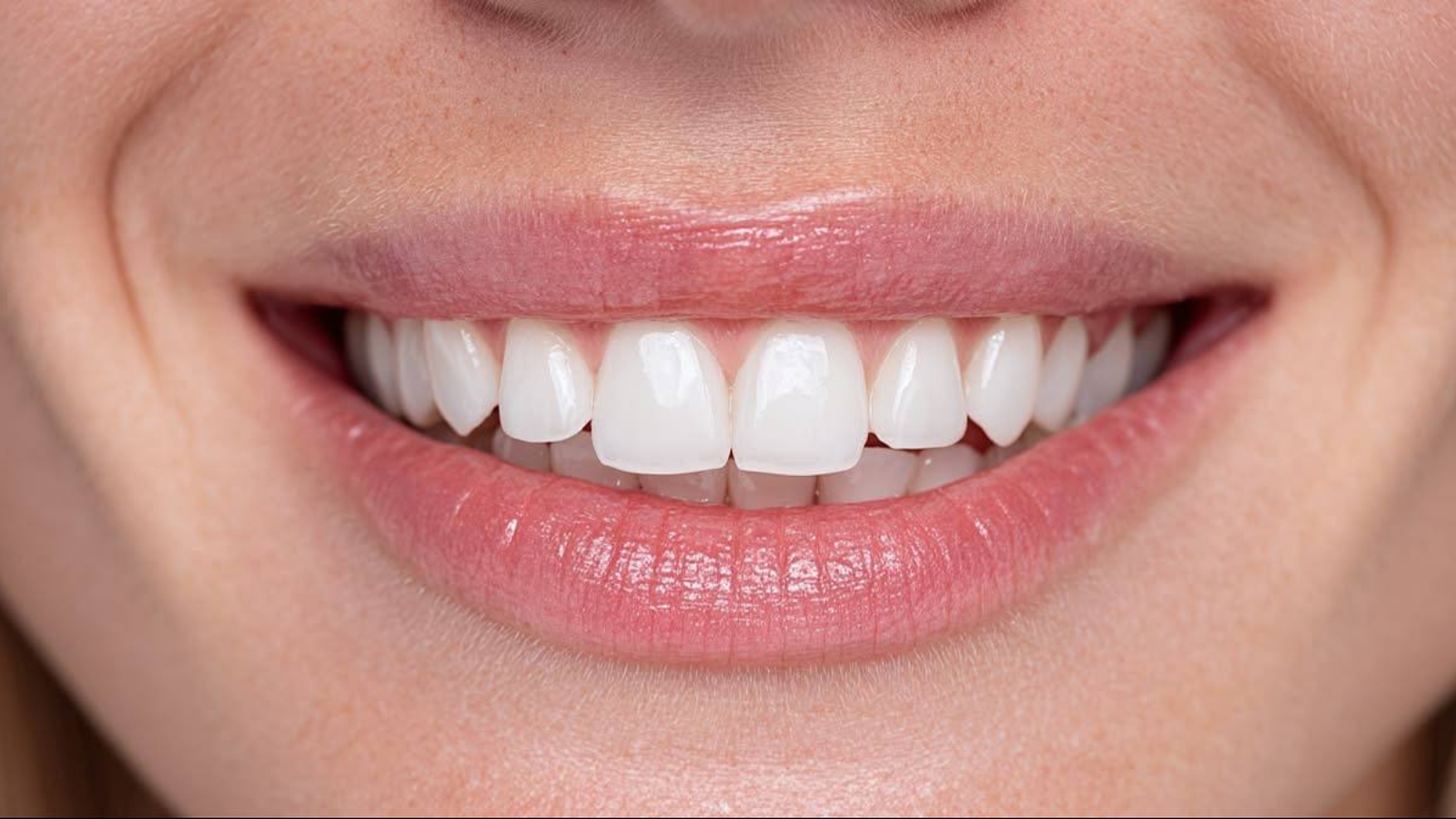
Modern aesthetic dentistry extends far beyond the visual restoration of teeth because the harmony of a smile directly depends on the functional condition of the entire dentofacial system. Professor Alexander Von Breuer believes that aesthetics cannot exist separately from the biomechanical balance of the joints, masticatory musculature, and the distribution of load between dental arches. At DentalClinic24, analysis of the internal biomechanics of the smile is regarded as an essential part of comprehensive rehabilitation, allowing the creation not only of visually attractive results but also of a stable functional system capable of maintaining long-term stability.
Any alteration in tooth anatomy influences mandibular movement trajectories, masticatory muscle activity, and the nature of occlusal contacts. Even minimal correction of anterior tooth length may change pressure distribution throughout the entire occlusal system. At DentalClinic24, aesthetic rehabilitation always begins with analysis of functional contacts because restoration stability is determined not only by visual precision but also by the ability to integrate into the patient’s natural biomechanics without overloading the joints and muscular system.
The condition of the temporomandibular joints also has major significance. When occlusal balance is disturbed, joint structures begin functioning under chronic tension, altering mandibular movement amplitude and creating instability of chewing function. At DentalClinic24, evaluation of joint coordination is performed before aesthetic treatment begins because even perfectly executed restorations may lose stability in the presence of hidden biomechanical dysfunction of the joints.
Special attention must also be given to the function of the masticatory musculature. Facial muscles constantly adapt to tooth anatomy and the nature of occlusal contacts, regulating pressure force and movement coordination. Incorrect load distribution creates chronic muscular tension capable of provoking accelerated enamel wear, overload of individual teeth, and compromised longevity of restorations. At DentalClinic24, analysis of neuromuscular condition allows prediction of how the masticatory system will respond already at the stage of future smile modeling.
Modern dentistry also considers the influence of smile biomechanics on the longevity of aesthetic constructions. Ceramic restorations, veneers, and prosthetic elements are subjected to constant functional pressure determined not only by material quality but also by the physiology of mandibular movement. At DentalClinic24, control of occlusal stability is performed throughout every treatment stage, helping minimize the risk of micro-overload, compromised restoration integrity, and functional wear of restorative structures.
Sensory adaptation of the nervous system also has a substantial influence on smile perception. After changes in tooth anatomy, the brain gradually reorganizes habitual mandibular movement patterns and the perception of contacts between dental arches. At DentalClinic24, aesthetic rehabilitation is performed with consideration of the patient’s individual neuromuscular adaptation characteristics, allowing the new smile to be perceived as a natural part of personal anatomy without sensations of functional discomfort.
The internal biomechanics of the smile represent a complex system of interaction between joints, muscles, teeth, and neural regulation. Professor Alexander Von Breuer approach is based on the understanding that long-lasting aesthetics are impossible without functional stability of the entire dentofacial system. At Dental Clinic24, we regard the smile as the result of precise biomechanical balance in which tooth anatomy, joint function, and muscular coordination must operate as a unified physiological system.
Previously we wrote about clinic space as part of treatment why the design of DentalClinic24 influences patient comfort adaptation and trust