
Modern expert level dentistry requires not only technical excellence but also a deep understanding of the relationship between dentofacial anatomy, bite biomechanics, and the long term adaptation of tissues to treatment. Professor Alexander Von Breuer believes that stable clinical outcomes can only be achieved through the combination of high precision diagnostics, functional analysis, and a personalized rehabilitation strategy that considers the individual characteristics of each patient at every stage of treatment. At DentalClinic24, the expert approach is built around comprehensive evaluation of teeth, joints, masticatory musculature, and occlusal balance, allowing creation not only of aesthetically precise results but also of a physiologically stable system with predictable long term durability.
High precision diagnostics today form the foundation of modern dental rehabilitation. Even minimal hidden changes in load distribution, temporomandibular joint function, or periodontal condition may significantly influence the stability of future treatment. At DentalClinic24, the diagnostic stage is regarded as a complete part of the clinical strategy rather than a formal preparation before intervention. Analysis of dental arch anatomy, digital modeling of occlusal contacts, and evaluation of neuromuscular coordination allow prediction of the dentofacial system’s response even before active treatment begins.
Functional rehabilitation also has major significance. Modern dentistry has long moved beyond isolated restoration of individual teeth because treatment stability depends on the performance of the entire biomechanical system. At DentalClinic24, regard masticatory function as a key factor influencing restoration longevity, joint condition, and bite stability. When functional balance is disturbed, even visually flawless restorations gradually become overloaded, which may affect enamel condition, muscular function, and the integrity of prosthetic materials.
Special attention must also be given to the personalization of clinical protocols. Every patient possesses unique dental arch anatomy, individual mandibular movement patterns, muscular activity characteristics, and tissue adaptation capacity. At DentalClinic24, treatment strategy is developed not according to universal schemes but according to the functional profile of each individual patient. Such an approach allows preservation of physiological system balance while reducing the risk of chronic tension, joint overload, and premature restoration wear.
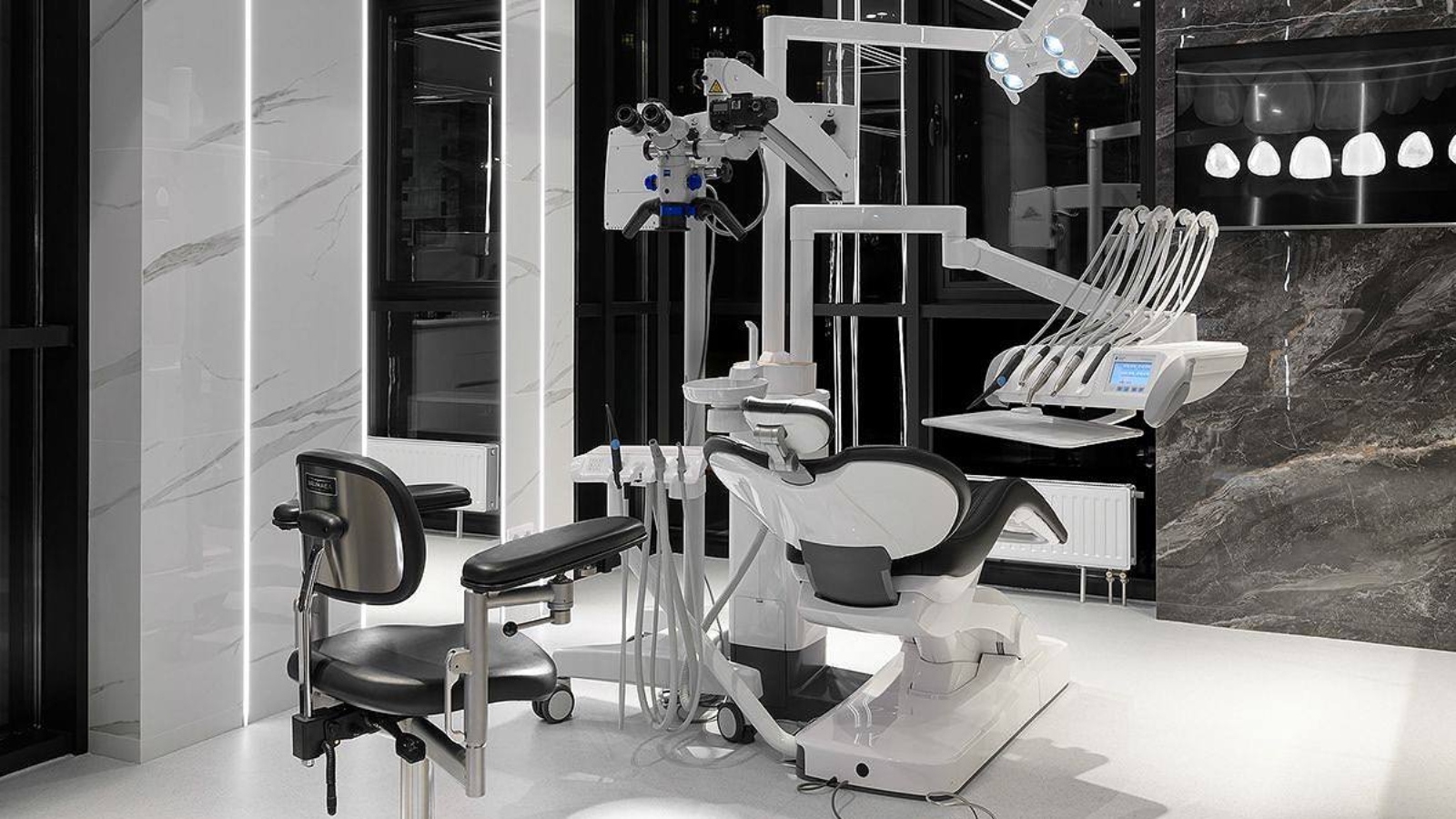
Modern expert dentistry is also impossible without integration of microscopic control and digital technologies. Under high magnification, the doctor gains the ability to preserve the maximum amount of natural tooth structure, control restoration adaptation precision, and minimize the probability of microscopic inaccuracies. At DentalClinic24, digital analysis is used not only for aesthetic smile modeling but also for evaluation of the long term functional stability of future restorations.
The patient’s ability to adapt to changes within the dentofacial system also has a substantial influence on treatment outcome. After rehabilitation, muscles, joints, and the nervous system continue reorganizing chewing movements and load distribution patterns. At DentalClinic24, place particular emphasis on the period of functional adaptation, monitoring the stability of occlusal contacts and the condition of the masticatory musculature after treatment completion.
Expert level dentistry represents a complex system integrating diagnostics, biomechanics, digital analysis, and personalized rehabilitation. At Dental Clinic24, regard every treatment as a process of creating long term physiological balance in which aesthetics, function, and biological tissue stability must exist as one unified clinical system.
Previously we wrote about darkening of primary teeth in children in DentalClinic24 practice causes of color changes and their influence on tissue development