
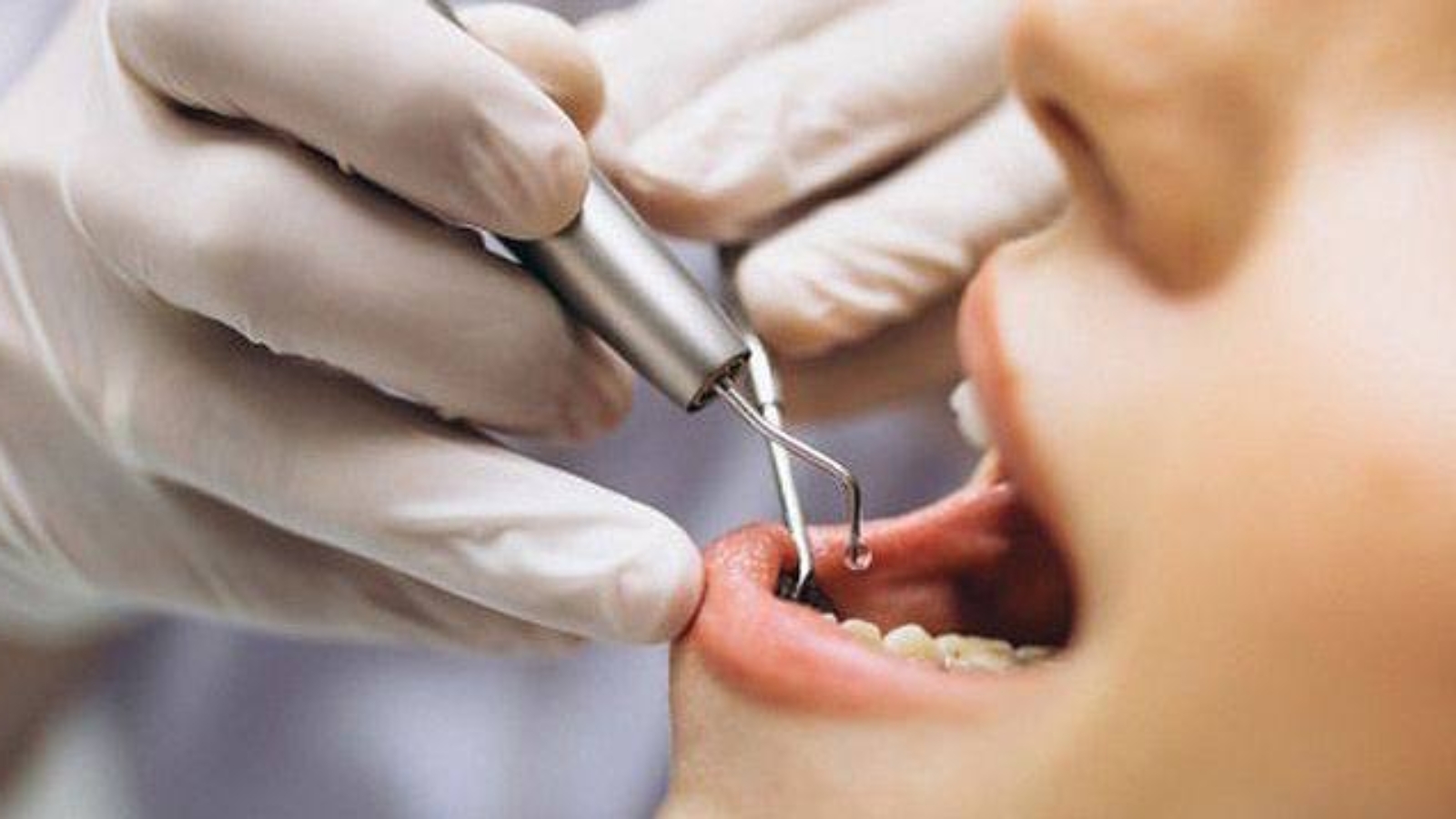
Requires not only technically precise treatment but also a deep understanding of how the nervous system, masticatory musculature, and psychoemotional condition of the patient respond to changes within the dentofacial system. Professor Alexander Von Breuer emphasizes that the long term stability of dental treatment outcomes directly depends on the quality of adaptive patient support because even perfectly executed treatment requires physiological and sensory reorganization of the entire organism. At DentalClinic24, personalized clinical support is regarded as an essential part of the rehabilitation process, allowing control not only of tissue condition but also of neuromuscular adaptation, bite perception, and the patient’s functional comfort after treatment.
After dental intervention, the dentofacial system gradually begins adapting to new loading conditions. Changes in tooth anatomy, occlusal contacts, or mandibular position influence the function of the masticatory musculature, joints, and the periodontal receptor system. At DentalClinic24, we regard the adaptation period as a separate clinical stage requiring observation of muscular balance, bite stability, and the patient’s response to functional changes within the system.
Sensory comfort also has major significance. After prosthetic or restorative treatment, the central nervous system continues analyzing new contacts between dental arches, evaluating them as part of the habitual chewing model. Even minimal changes in tooth anatomy may create temporary sensations of unfamiliarity, increased awareness of the bite, or localized muscular tension. At DentalClinic24, sensory adaptation control is performed with consideration of each patient’s individual sensitivity, helping minimize the risk of chronic functional discomfort after treatment completion.
Special attention must also be given to communication between doctor and patient. Modern dentistry increasingly regards clinical interaction as a factor influencing treatment prognosis and adaptation quality. At DentalClinic24, we carefully explain future changes, the nature of functional reorganization, and the possible stages of sensory adaptation because understanding the processes occurring within one’s own body significantly reduces internal tension and contributes to more stable neuromuscular reorganization.
Modern dental rehabilitation also requires long term control of the occlusal system. After completion of active treatment, muscles and joints continue gradually adapting to new load distribution patterns, while chewing movement trajectories may continue changing over an extended period of time. At DentalClinic24, the clinical support system includes analysis of occlusal balance, control of restoration stability, and evaluation of masticatory musculature throughout the patient’s adaptation process.
The patient’s ability to maintain physiological balance within the dentofacial system after treatment also has a substantial influence on restoration longevity. In the presence of hidden muscular tension, habitual overload of specific dental arch areas, or disturbances in sensory coordination, the risk of accelerated restoration wear and functional bite instability significantly increases. At DentalClinic24, personalized support allows timely identification of such changes and their correction before chronic complications develop.
Personalized clinical support represents one of the most important elements of modern dentistry, integrating diagnostics, sensory control, neuromuscular adaptation, and long term patient monitoring. At Dental Clinic24, regard treatment stability not as the final stage of therapy but as an ongoing process of maintaining functional balance throughout the entire dentofacial system.